Trump Accuses Iran of ‘Unbelievably Duplicitous’ Behavior as Conflicting Messages Cloud Nuclear Talks- Tensions between the United States and Iran remain high after President Donald Trump accused Tehran of sending contradictory signals over potential negotiations, calling the Iranian leadership “unbelievably duplicitous.” The exchange comes as both sides continue to dispute whether formal talks are taking place, even as diplomatic efforts to ease tensions around the Strait of Hormuz continue.
Trump said earlier that the United States and Iran were scheduled to hold new discussions on Monday afternoon, following his decision to call off what he described as a massive military operation in order to give diplomacy another opportunity. According to the president, the negotiations were intended to focus first on reopening the Strait of Hormuz to commercial shipping before moving on to Iran’s nuclear program.
However, Iran publicly denied that any direct negotiations with Washington were underway.
Speaking to reporters, Iranian Foreign Ministry spokesperson Esmaeil Baghaei said Tehran currently has no negotiations with the United States and has no plans to send negotiators abroad or host foreign delegations in the coming days. Instead, he said Iran was only holding discussions with Oman, focusing on arrangements for a temporary safe maritime route through the Strait of Hormuz.
Trump: Iran Asked for Talks, Then Denied Them
Trump strongly rejected Iran’s public statements, claiming Tehran privately requested negotiations while publicly insisting that no talks existed.
In a post on Truth Social, the president wrote:
“Iranian Leadership is unbelievably duplicitous! They ask for a meeting, some would say ‘beg,’ talks begin, with more scheduled in the immediate future, and they say, openly and proudly, that they’re not having any discussions.”
He criticized Iranian officials for claiming they were dealing only with Oman, suggesting they were attempting to conceal ongoing contacts with Washington.
Iran did not immediately issue a response to Trump’s latest comments.
White House Insists Discussions Are Happening
Later Monday, Trump doubled down during remarks to reporters at the White House.
He insisted discussions with Iran were continuing despite Tehran’s public denials.
“They’re going on right now,” Trump said.
The president argued that Iran routinely denies diplomatic contacts, even when discussions are taking place.
“They deny it,” Trump said, adding that Iran’s latest public statement stopped short of explicitly denying every aspect of the reported contacts.
Strait of Hormuz Remains Top Priority
Trump indicated that the immediate objective of the negotiations is reopening the Strait of Hormuz, one of the world’s most strategically important shipping lanes.
According to the president, Phase One of the discussions centers on restoring unrestricted commercial navigation through the waterway.
“We’re talking about the strait, the opening of the strait… completely open,” Trump said.
He added that Phase Two would shift attention toward Iran’s nuclear program, an issue that has remained at the center of U.S.-Iran tensions for years.
The Strait of Hormuz handles a significant share of the world’s oil exports, making any disruption a major concern for global energy markets and international shipping.
Trump Says Military Option Still Available
Although Trump said he halted planned military action to allow diplomacy another opportunity, he emphasized that military force remains an option.
The president revealed that the United States had been preparing what he described as “the biggest attack since World War II,” but chose not to proceed after what he called encouraging diplomatic developments.
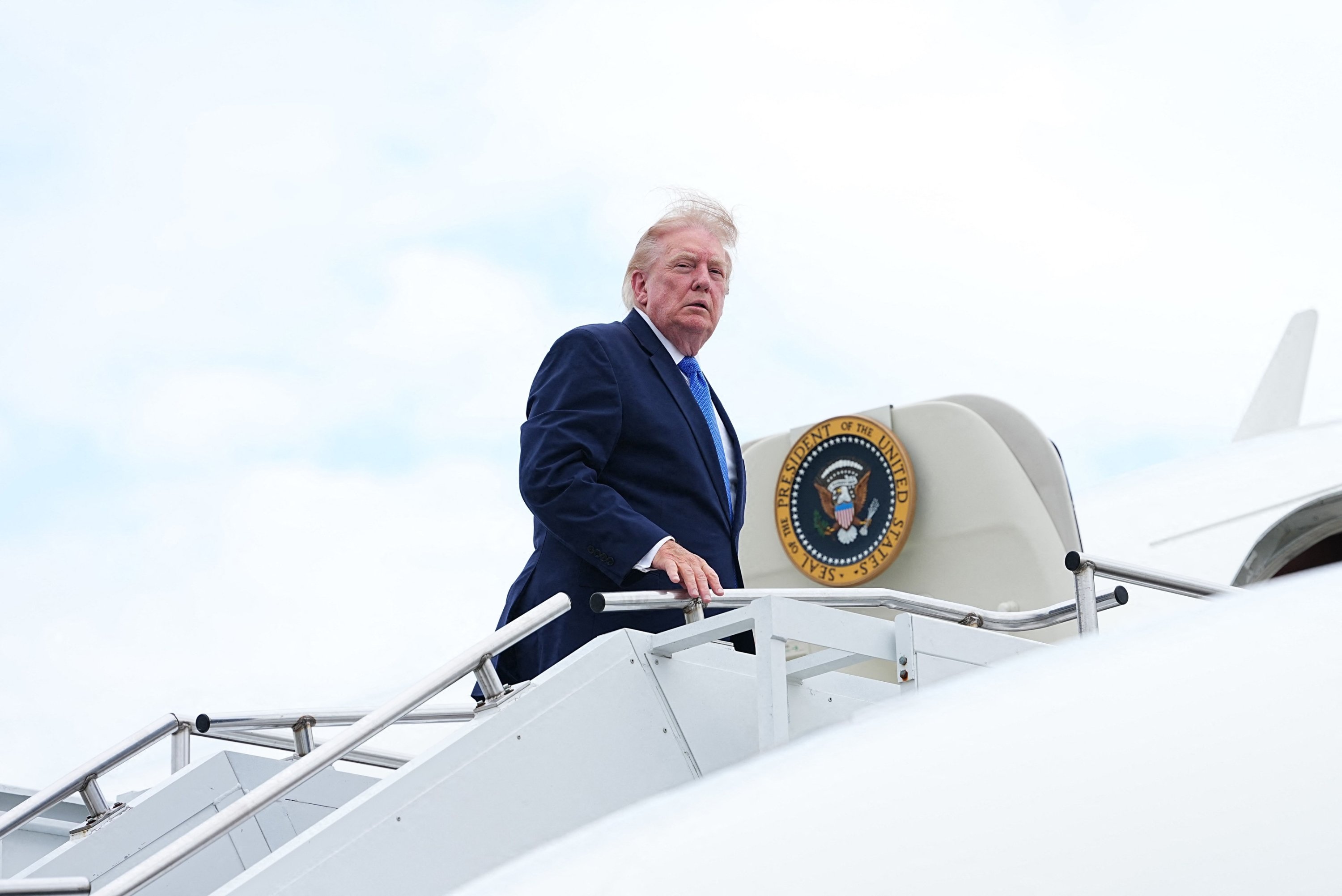
Speaking aboard Air Force One on Sunday, Trump said the operation had only been postponed—not canceled permanently.
He warned that the United States could launch the strikes “anytime we want” if negotiations fail.
‘Last Chance’ Warning to Tehran
Trump also delivered one of his strongest warnings yet to Iran.
Calling the current diplomatic effort “a last chance,” he urged Tehran to accept what he described as a favorable agreement before facing severe consequences.
“This is a last chance for them to sign a good document,” Trump said.
He added that he wanted to give Iran “every last chance before decapitation,” using unusually blunt language to describe the stakes of the negotiations.
Despite the warning, Trump clarified that Iran is not operating under a formal deadline, suggesting the administration remains open to diplomacy if meaningful progress continues.
Conflicting Narratives Continue
The latest developments highlight the deep mistrust between Washington and Tehran.
While the White House maintains that direct discussions are taking place, Iranian officials continue to insist that their only current diplomatic engagement is with Oman, particularly regarding maritime security and the Strait of Hormuz.
The contradictory public statements have made it difficult to determine the exact status of negotiations.
Whether the two countries are conducting direct talks, communicating through intermediaries, or pursuing parallel diplomatic channels remains unclear. Denmark Launches Expanded 11-Month Military Conscription as Security Concerns Rise Across Europe | Maya
What’s Next?
The coming days are expected to determine whether diplomacy can reduce tensions or whether the crisis escalates once again.
If progress is made on reopening the Strait of Hormuz, negotiators could move toward broader discussions surrounding Iran’s nuclear program, one of the most contentious issues in U.S.-Iran relations.
For now, both governments continue to present sharply different versions of events, leaving uncertainty over the future of negotiations while military options remain on the table.