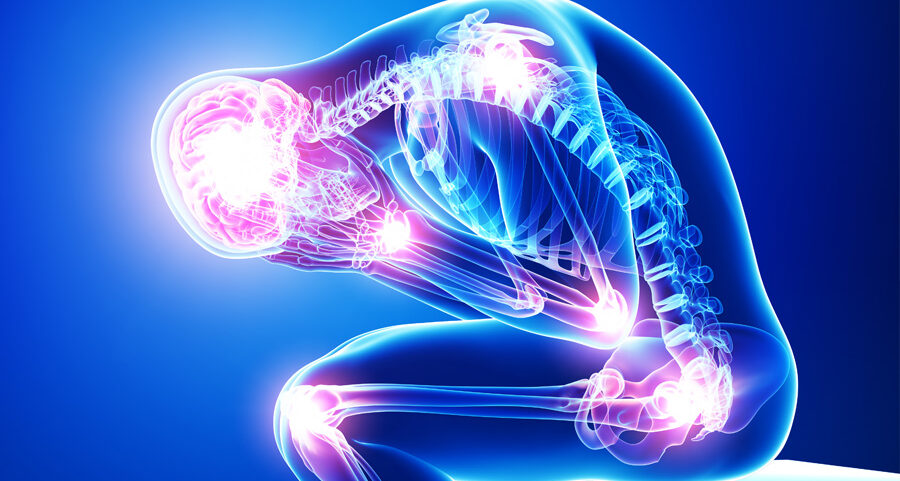
Chronic Inflammation: What Happens When It Doesn’t Go Away? Inflammation is often described as something harmful.But inflammation itself is not the enemy.
In fact, it is one of the body’s most important defense mechanisms.
When you cut your finger, sprain an ankle or develop an infection, the immune system responds by sending inflammatory cells and chemical signals to the affected area. Blood flow changes, immune cells become active and the body begins repairing damaged tissue.
This short-term response is called acute inflammation.
The problem begins when inflammation doesn’t switch off.
Instead of protecting the body for a limited period, the inflammatory response can continue for weeks, months or even years.
This is known as chronic inflammation.
Unlike the obvious redness and swelling associated with an injury, chronic inflammation can be subtle. A person may not realize it is happening until it contributes to symptoms or disease.
Understanding chronic inflammation requires looking at why it happens, what it can do to the body and why controlling its underlying cause matters.
What Is Inflammation?
Inflammation is part of the body’s immune response.
When tissues are damaged or threatened by something harmful, immune cells release chemical messengers that help coordinate the response.
These signals can:
- Increase blood flow
- Recruit immune cells
- Help fight infections
- Remove damaged cells
- Begin tissue repair
Acute inflammation is usually temporary.
For example, after an injury, swelling and pain may develop within hours. As the injury heals, the inflammatory response normally decreases.
The body essentially follows this sequence:
Threat or injury → inflammation → repair → resolution.
Chronic inflammation occurs when that final step — resolution — doesn’t happen properly.
What Causes Chronic Inflammation?
There isn’t one single cause.
Chronic inflammation can develop when the immune system remains activated because the original problem continues or because the body’s immune regulation becomes abnormal.
Possible contributors include:
- Autoimmune diseases
- Long-term infections
- Persistent exposure to irritants
- Obesity and metabolic dysfunction
- Smoking
- Certain environmental exposures
- Ongoing tissue injury
- Some chronic diseases
In some cases, the exact reason inflammation persists may be difficult to identify.
Autoimmune Disease and Chronic Inflammation
Autoimmune diseases are an important cause of persistent inflammation.
In autoimmune conditions, the immune system mistakenly recognizes the body’s own tissues as targets.
Instead of shutting down after eliminating an infection, immune activity may continue against healthy tissue.
Examples include:
- Rheumatoid arthritis
- Systemic lupus erythematosus
- Psoriasis
- Inflammatory bowel disease
- Multiple sclerosis
- Type 1 diabetes
- Certain autoimmune thyroid diseases
The affected organs and symptoms vary considerably between conditions.
Chronic Inflammation Can Affect Different Organs
Inflammation isn’t limited to one part of the body.
Depending on its cause and location, chronic inflammation can affect:
- Joints
- Skin
- Intestines
- Lungs
- Blood vessels
- Liver
- Brain
- Muscles
- Endocrine organs
This explains why chronic inflammatory diseases can look so different.
One person may experience joint swelling.
Another may have digestive symptoms.
Another may develop skin changes.
The underlying process — persistent immune activation — can nevertheless be part of the problem.
What Happens to the Body During Persistent Inflammation?
When inflammatory signals remain active, tissues can experience repeated exposure to immune cells and inflammatory chemicals.
Over time, this can contribute to tissue damage.
The consequences depend heavily on the cause.
For example, chronic inflammation in a joint can contribute to structural damage.
Inflammation in the intestine can damage the intestinal lining.
Inflammation in the liver can contribute to scarring in certain chronic liver diseases.
The body is constantly attempting to repair itself, but ongoing inflammation can interfere with normal healing.
Chronic Inflammation and Blood Vessels
Inflammation also plays a role in cardiovascular disease.
The walls of arteries can develop fatty deposits known as plaques.
These plaques can become inflamed.
Inflammatory processes can contribute to plaque instability, which is one reason inflammation is relevant to conditions such as heart attack and stroke.
However, cardiovascular disease is complex.
Inflammation is only one part of a much larger process involving cholesterol, blood pressure, smoking, diabetes, genetics and other risk factors.
Can Chronic Inflammation Affect the Brain?
Researchers are studying how inflammation interacts with the nervous system and brain.
Chronic inflammatory conditions can be associated with fatigue, changes in mood and difficulties with concentration.
Some inflammatory diseases can directly affect the nervous system.
However, it is important not to assume that every episode of tiredness or “brain fog” is caused by inflammation.
Poor sleep, stress, medication effects, anemia, hormonal disorders and many other conditions can produce similar symptoms.
Why Does Chronic Inflammation Cause Fatigue?
Fatigue is one of the most commonly reported symptoms associated with chronic inflammatory diseases.
Inflammatory signaling can influence the brain and energy metabolism.
At the same time, chronic illness may interfere with sleep, appetite, physical activity and emotional well-being.
Pain itself can also make restorative sleep more difficult.
As a result, fatigue may have several overlapping causes rather than one simple explanation.
Chronic Inflammation and Metabolism
Persistent inflammation can interact with metabolism.
Excess body fat, particularly certain forms of visceral fat around internal organs, can produce inflammatory signals.
This does not mean that body weight alone determines whether someone has inflammation.
Metabolic health depends on many factors, including genetics, diet, physical activity, sleep and underlying medical conditions.
But metabolic dysfunction and chronic inflammation can reinforce one another.
This is one reason doctors often focus on overall health rather than treating inflammation as an isolated problem.
Can Diet Cause Chronic Inflammation?
Diet is frequently discussed in relation to inflammation.
Some dietary patterns are associated with better long-term metabolic and cardiovascular health, while diets high in highly processed foods and excess calories may be associated with increased inflammatory activity.
But there is no single food that can “turn inflammation off.”
A balanced dietary pattern generally emphasizes:
- Vegetables
- Fruits
- Whole grains
- Legumes
- Nuts and seeds
- Adequate protein
- Healthy sources of unsaturated fats
The overall pattern matters more than one specific food.
People with diagnosed inflammatory or autoimmune diseases may also have individualized dietary needs.
Exercise and Inflammation
Physical activity has complex effects on inflammation.
Regular moderate exercise is generally associated with improved metabolic and cardiovascular health.
It can also support sleep, muscle strength and mental well-being.
However, extremely intense exercise without adequate recovery can temporarily increase certain inflammatory signals.
People with chronic inflammatory diseases may need to adapt exercise to their condition.
During an active flare, a doctor or physical therapist may recommend modifying activity rather than stopping movement completely.
Sleep Is Part of the Picture
Poor sleep and inflammation can influence one another.
Chronic illness can interfere with sleep, while inadequate sleep can affect immune regulation, metabolism and pain sensitivity.
This creates another potential cycle:
Pain or inflammation → poor sleep → increased fatigue and sensitivity → greater difficulty coping with symptoms.
Improving sleep may not cure the underlying inflammatory disease, but it can be an important part of overall management.
Smoking and Chronic Inflammation
Smoking exposes the body to numerous chemicals that can damage tissues and influence inflammatory processes.
It is associated with increased risk of several chronic diseases, including cardiovascular disease, lung disease and certain cancers.
Smoking can also worsen outcomes in some inflammatory conditions.
Quitting smoking is therefore one of the most meaningful ways a person can reduce several health risks simultaneously.
Is Stress Responsible for Chronic Inflammation?
Stress is another frequently discussed factor.
Short-term stress is a normal biological response.
Persistent psychological stress can influence hormones, sleep, behavior and immune regulation.
This may affect symptoms and inflammatory activity in some people.
However, stress should not be blamed for every inflammatory disease.
Autoimmune disorders and other chronic inflammatory conditions have complex biological causes.
Telling someone that their disease is simply the result of “too much stress” is both inaccurate and potentially harmful.
How Do Doctors Detect Inflammation?
Doctors may look for evidence of inflammation through a combination of symptoms, physical examination and laboratory testing.
Two commonly used blood tests are:
C-reactive protein (CRP)
CRP can rise when inflammation is present.
Erythrocyte sedimentation rate (ESR)
ESR can also provide information about inflammatory activity.
But neither test tells doctors exactly what is causing the inflammation.
A high CRP or ESR can occur for many different reasons, including infections and inflammatory diseases.
And a normal result does not necessarily rule out every inflammatory condition.
Doctors interpret these tests alongside the rest of the clinical picture.
Can Chronic Inflammation Be Treated?
Treatment depends entirely on the cause.
If an infection is responsible, treating the infection may resolve the inflammatory response.
If an autoimmune disease is responsible, doctors may use medications that modify or suppress inappropriate immune activity.
Depending on the condition, treatment may include:
- Anti-inflammatory medicines
- Corticosteroids
- Disease-modifying drugs
- Biologic medicines
- Targeted therapies
- Other immune-modulating treatments
Doctors generally aim to control the underlying disease rather than simply suppress inflammation without understanding its source.
Lifestyle Changes Can Support Treatment
Lifestyle changes cannot replace medical treatment for serious inflammatory diseases.
But they can support overall health.
Helpful measures may include:
- Regular physical activity appropriate to your condition
- Adequate sleep
- Avoiding tobacco
- Maintaining a balanced diet
- Limiting excessive alcohol
- Managing stress
- Maintaining a healthy weight when appropriate
- Taking prescribed medications correctly
The goal is not to achieve a completely “inflammation-free” body.
Some inflammation is necessary for normal immune function and healing.
The goal is to prevent harmful, uncontrolled inflammation.
When Should You See a Doctor?
Persistent symptoms deserve attention, especially when they are unexplained.
Possible warning signs include:
- Persistent joint swelling
- Long-lasting unexplained fatigue
- Recurrent fevers
- Unexplained weight loss
- Persistent digestive problems
- Repeated skin inflammation
- Ongoing muscle or body pain
- Unexplained weakness
- Persistent cough or breathing problems
These symptoms have many possible causes.
They do not automatically mean chronic inflammation is responsible.
A medical evaluation can help determine whether further investigation is necessary. Why did Tulip Mania crash the Dutch economy in the 1630s? | Maya
The Main Point
Inflammation is essential for survival — but inflammation that remains active for too long can become harmful.
Acute inflammation helps the body fight infections and repair injuries.
Chronic inflammation is different.
When inflammatory activity persists, it can contribute to tissue damage and play a role in numerous long-term diseases, including autoimmune disorders, cardiovascular disease and certain metabolic conditions.
The important question isn’t simply:
“How do I get rid of inflammation?”
It is:
“Why is inflammation happening in the first place?”
That distinction matters because inflammation is usually a symptom or biological process rather than a disease by itself.
Treating the underlying cause is often more important than trying to suppress inflammation blindly.
A healthy lifestyle can support the body’s ability to regulate inflammation, but persistent symptoms should not be managed through diet or supplements alone.
If inflammation is suspected, a healthcare professional can determine whether testing is appropriate and identify the underlying condition.
The goal isn’t to eliminate inflammation completely. It’s to keep the body’s powerful defense system from staying switched on when it is no longer needed.
This article is intended for general educational purposes and is not a substitute for diagnosis or individualized medical advice from a qualified healthcare professional.