Trump Takes Center Stage at UNGA 2026 as Multiple Global Crises Converge: The annual opening of the United Nations General Assembly (UNGA) has always been one of the world’s most important diplomatic gatherings. Every September, presidents, prime ministers, monarchs, and foreign ministers arrive in New York to debate global challenges and seek common ground. But the 2026 session carries an unusual sense of urgency.
Wars continue to reshape international politics. Artificial intelligence is rapidly changing economies and national security. Energy markets remain vulnerable to geopolitical shocks. Climate change is becoming harder to ignore, while the rivalry between major powers continues to influence nearly every international issue.
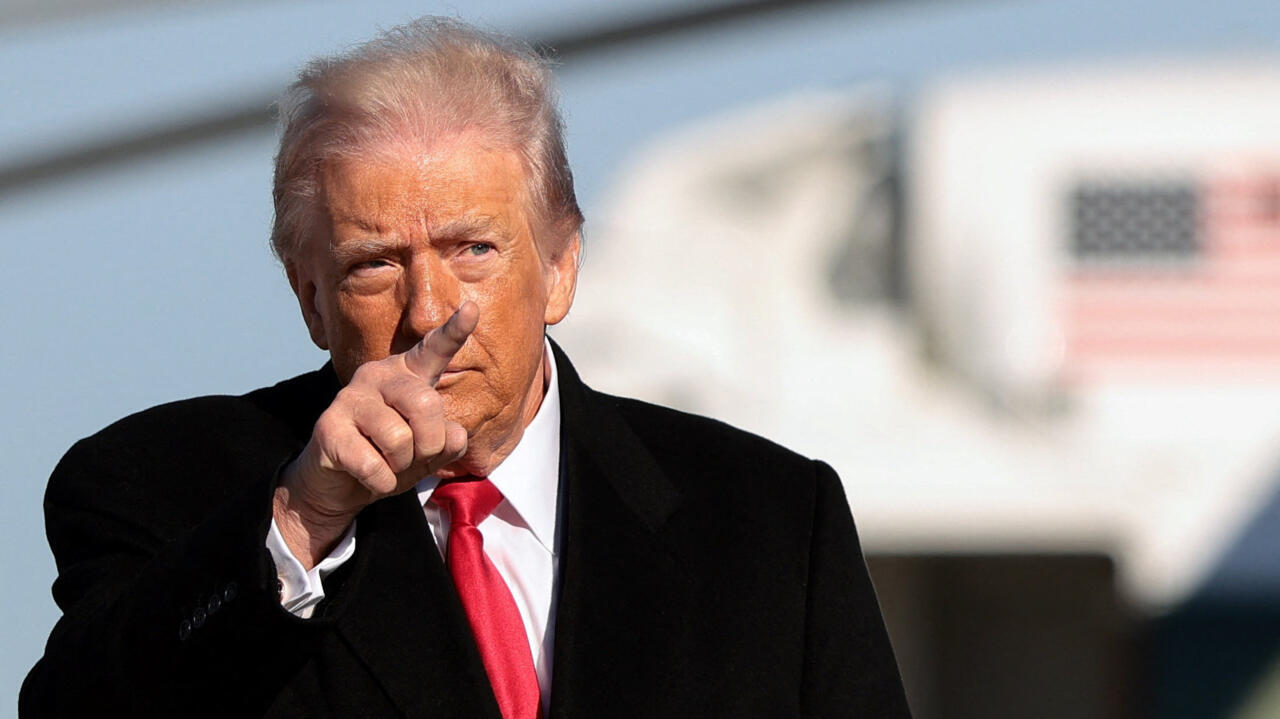
At the center of this year’s gathering is U.S. President Donald Trump, whose meetings and policy priorities are attracting attention from allies and rivals alike. Whether discussing security in the Middle East, the future of Ukraine, competition with China, or America’s role in global diplomacy, Trump’s presence has become one of the defining features of the 2026 General Assembly.
A World Facing Multiple Crises at Once
Unlike previous years when a single issue dominated the global conversation, the current international environment is shaped by overlapping crises.
The Russia-Ukraine war remains unresolved despite years of fighting. The Middle East continues to experience instability following recent confrontations involving Iran and its regional network of allies. Maritime security has become increasingly important as attacks and military tensions threaten key shipping routes.
Meanwhile, governments are also trying to manage slower economic growth, persistent inflation in some regions, supply chain disruptions, and rising defense spending. These challenges have forced many countries to rethink their foreign policy priorities.
For diplomats arriving in New York, the agenda is unusually broad. Every major discussion—from trade and technology to security and humanitarian aid—is connected to larger geopolitical competition.
Donald Trump Returns to Center Stage
President Donald Trump enters this year’s General Assembly with a foreign policy focused on strengthening American influence while seeking outcomes that align with U.S. national interests.
His schedule includes meetings with several world leaders representing Europe, the Middle East, Latin America, and Asia. Discussions are expected to cover regional conflicts, trade, investment, defense cooperation, and energy security.
Unlike ceremonial meetings of previous decades, today’s bilateral discussions often carry immediate consequences. A single conversation can influence sanctions, military cooperation, energy exports, or diplomatic negotiations.
Supporters argue that Trump’s direct negotiating style allows quicker decision-making. Critics believe his approach can introduce uncertainty into long-standing alliances. Regardless of political opinion, few dispute that his presence has become one of the most closely watched aspects of UNGA 2026.
The Middle East Remains the Biggest Security Challenge
One of the highest priorities during the General Assembly is preventing further escalation across the Middle East.
Recent tensions involving Iran have increased concerns about regional stability. Military incidents, proxy conflicts, and threats to shipping lanes have kept governments on alert.
The Strait of Hormuz remains among the world’s most strategically important waterways, with a significant share of global oil shipments passing through it every day. Any disruption could affect fuel prices, shipping costs, and inflation across multiple continents.
Regional governments are therefore using the UN gathering to strengthen diplomatic communication while also discussing defense cooperation and economic resilience.
For Washington, maintaining stability in the region remains closely tied to both national security and global economic interests.
Ukraine Continues to Seek International Support
The war in Ukraine remains another major focus of discussions in New York.
Although battlefield conditions continue to evolve, diplomatic efforts have yet to produce a comprehensive peace agreement acceptable to all parties.
Ukraine is expected to continue seeking military assistance, financial support, and reconstruction commitments from partner nations.
Many European governments remain committed to backing Kyiv, while others increasingly emphasize the importance of exploring diplomatic pathways that could eventually reduce hostilities.
The conflict also continues to influence global food markets, defense production, and European energy security, making it an issue with worldwide consequences rather than a purely regional dispute.
U.S.-China Competition Extends Beyond Trade
Relations between the United States and China remain one of the defining geopolitical stories of the decade.
Although trade disputes continue, competition now extends into advanced technologies, artificial intelligence, semiconductor manufacturing, cybersecurity, space exploration, and critical mineral supply chains.
Both countries are investing heavily in innovation while simultaneously protecting strategic industries considered essential for national security.
Many countries attending the UN General Assembly find themselves balancing economic relationships with both Washington and Beijing. Rather than choosing sides outright, numerous governments are pursuing more flexible foreign policies designed to maintain partnerships with multiple major powers.
This evolving diplomatic strategy reflects the increasingly multipolar nature of global politics.
Artificial Intelligence Becomes a Diplomatic Issue
Artificial intelligence is no longer discussed only within technology companies.
Governments now view AI as an issue affecting economic competitiveness, military capability, education, healthcare, scientific research, and national security.
Several countries support international frameworks aimed at encouraging responsible AI development while reducing risks associated with advanced systems.
The United States has emphasized maintaining technological leadership while encouraging innovation across its private sector.
At the same time, policymakers recognize that AI governance will require cooperation among governments, researchers, and industry leaders if global standards are to emerge.
The conversations taking place during UNGA 2026 may influence future international approaches to AI regulation and cross-border collaboration.
Energy Security Returns to the Global Agenda
Energy has once again become one of the world’s most important geopolitical issues.
Recent conflicts have demonstrated how quickly disruptions in oil and natural gas supplies can affect inflation, transportation costs, manufacturing, and household budgets.
Countries are pursuing different strategies to strengthen energy resilience. Some are expanding renewable energy investments, while others continue increasing domestic oil and gas production. Nuclear energy is also attracting renewed attention in several regions.
Governments are increasingly treating energy policy not simply as an environmental issue but also as a matter of national security.
Discussions in New York therefore combine climate objectives with practical concerns about affordability and supply stability.
Climate Change Still Demands Attention
Even as wars dominate international headlines, climate change remains an essential part of the UN agenda.
Extreme weather events, rising sea levels, droughts, floods, and heatwaves continue affecting millions of people worldwide.
Many developing nations are urging wealthier countries to provide greater financial support for climate adaptation, disaster preparedness, and clean energy transitions.
Negotiations remain challenging because governments must balance environmental commitments with economic realities and domestic political priorities.
Nevertheless, the UN continues serving as one of the few global platforms where nearly every country participates in climate discussions.
Global South Seeks a Stronger Voice
One noticeable trend at UNGA 2026 is the growing influence of developing countries.
Nations across Asia, Africa, Latin America, and the Middle East are increasingly asserting independent positions on international issues rather than automatically aligning with either Washington or Beijing.
These countries are calling for reforms in global financial institutions, expanded development funding, fairer trade opportunities, and greater representation within international organizations.
As economic power gradually shifts toward emerging markets, their influence over future diplomatic negotiations is expected to continue growing.
Reforming International Institutions
The United Nations itself is also facing renewed questions about its effectiveness.
Many governments argue that institutions created after World War II need modernization to reflect today’s geopolitical realities.
Proposals include expanding the UN Security Council, improving peacekeeping operations, strengthening humanitarian coordination, and making international organizations more representative of current global demographics.
Although consensus remains difficult, the debate reflects widespread recognition that global governance must evolve alongside changing international power structures.
What Success Would Look Like
Major diplomatic breakthroughs rarely occur during a single week at the United Nations.
Instead, success is often measured by whether leaders establish communication channels, reduce misunderstandings, announce new partnerships, or lay foundations for future negotiations.
Even informal conversations between heads of state can help prevent future crises or accelerate cooperation in areas such as trade, security, technology, and humanitarian assistance.
In today’s interconnected world, sustained dialogue remains one of diplomacy’s most valuable tools.
The U.S. Funding Debate: Why Washington’s 22% Contribution Gives It Outsized Influence
Another issue quietly shaping conversations during UNGA 2026 is the long-running debate over how the United Nations is funded. The United States remains the UN’s largest financial contributor, covering 22% of the organization’s regular budget under the UN’s assessed contribution formula. Washington also contributes billions of dollars more through peacekeeping assessments and voluntary funding for humanitarian agencies, development programs, and emergency relief operations. Because of this financial commitment, successive U.S. administrations—regardless of political party—have argued that American taxpayers deserve greater accountability, transparency, and measurable results from the UN system. Critics in Washington frequently question whether the organization spends money efficiently and whether some agencies have become overly bureaucratic or politically biased. Supporters of the UN counter that America’s financial leadership gives it significant diplomatic influence and helps sustain peacekeeping missions, humanitarian assistance, refugee support, and global health programs that ultimately serve U.S. strategic interests as well. President Donald Trump has repeatedly called for allies and other major economies to shoulder a larger share of the financial burden, reviving a debate over whether the UN’s funding structure fairly reflects today’s global economy. As world leaders gather in New York, the question is no longer just how much the United States pays, but whether the organization can demonstrate enough effectiveness to justify continued political and financial support from its largest contributor.
Looking Beyond New York
The significance of UNGA 2026 extends beyond speeches delivered from the famous green marble podium.
The decisions, partnerships, and negotiations taking place behind closed doors may shape international relations for years to come.
President Trump’s diplomacy, ongoing conflicts in Ukraine and the Middle East, growing competition between the United States and China, debates surrounding artificial intelligence, concerns over energy security, and the urgency of climate change are all converging at a single moment.
Whether governments can transform dialogue into meaningful cooperation remains uncertain. However, one fact is clear: the challenges confronting the international community have become increasingly interconnected.
The 2026 United Nations General Assembly is therefore more than an annual diplomatic gathering. It represents a snapshot of a world navigating profound political, economic, technological, and strategic transformation. The conversations taking place in New York may not resolve every crisis immediately, but they will help define the direction of global diplomacy in an era where cooperation and competition increasingly exist side by side.