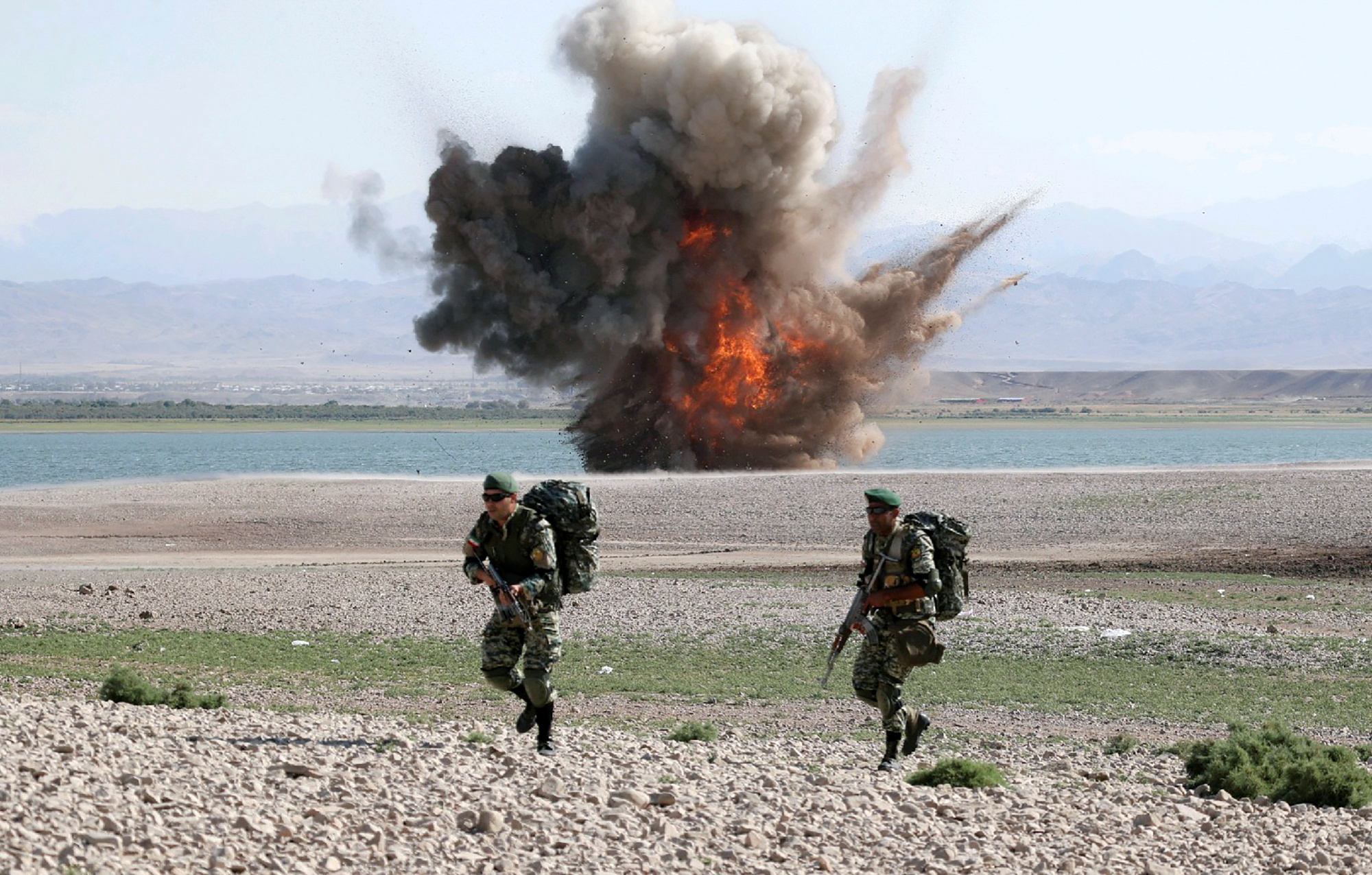
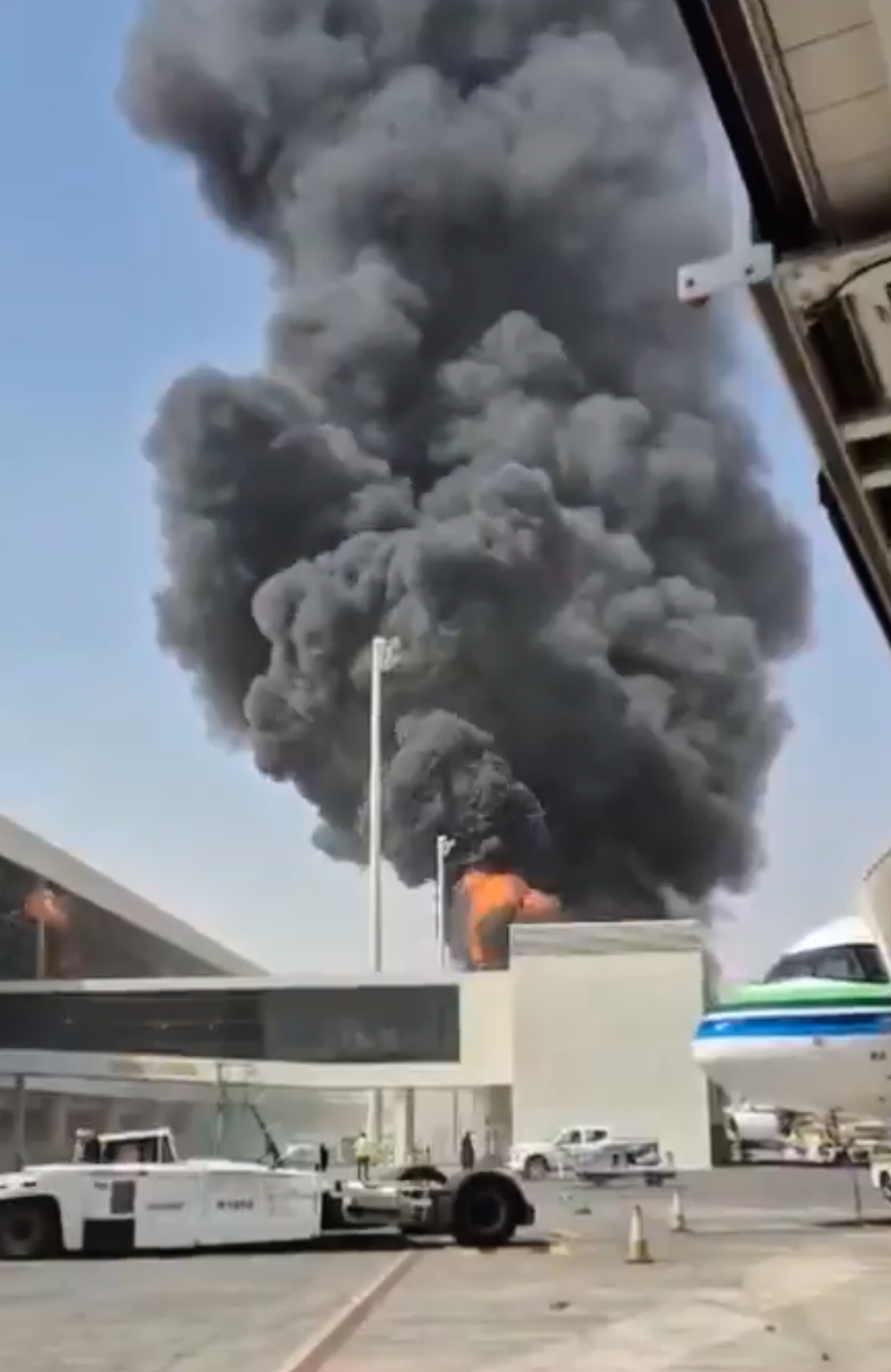
Yemen Conflict Escalates as Houthis Target Riyadh Airport Again: The conflict in Yemen has entered a dangerous new phase following repeated attacks on Saudi Arabia’s King Khalid International Airport in Riyadh. The reported strikes have caused casualties, raised serious concerns about civilian safety and prompted Saudi Arabia to warn of a strong response. The latest developments have also increased fears that the fighting could spread into a wider regional confrontation involving the United States and other Middle Eastern powers.
Saudi authorities reported another attack on the airport on Sunday, October 11, following a deadly strike the previous day. According to the figures provided in the initial reports, the Saturday attack killed at least 12 people and injured 309 others. The subsequent incident caused further injuries, although the full extent of the damage was not immediately clear.
The Saudi government has condemned the attacks and signalled that it will take action to protect its territory. The Saudi-led coalition fighting Yemen’s Houthi movement described the earlier strike as a serious violation, while officials reported that air defence systems had intercepted additional incoming threats.
King Khalid International Airport is one of Saudi Arabia’s major aviation centres, serving domestic and international travellers. An attack on such an important facility raises concerns about airport security, passenger safety and the wider risks to commercial aviation across the Gulf region.
The reported casualties from the Saturday strike included Saudi citizens and foreign nationals from several countries, including Bangladesh, the United States, Egypt, Jordan, Syria, Palestine and Sudan. The incident highlighted the potential human cost of the escalating conflict, particularly when civilian infrastructure becomes caught up in military operations.
The Houthis have claimed responsibility for the October 10 attack and announced further operations against Saudi targets. Their statements have referred to locations including Dammam airport and facilities associated with Saudi Aramco, the kingdom’s state-owned oil company. However, individual claims about military operations and their results require independent verification.
Saudi Arabia is now facing difficult decisions over how to respond. A military campaign could be intended to discourage further attacks and demonstrate the government’s determination to defend its territory. At the same time, a wider offensive could provoke additional missile and drone strikes, potentially putting more civilians and critical infrastructure at risk.
Reports of intercepted missiles and drones indicate that the security threat may extend beyond Riyadh. Saudi authorities have also reported responding to incoming threats in other parts of the country, including areas in the east and the southwest. The situation has prompted renewed concern about the vulnerability of airports, energy facilities and other strategically important sites.
The latest escalation comes amid renewed fighting between the Houthis and Yemen’s internationally recognised government, which receives Saudi support. A ceasefire that had helped reduce hostilities since 2022 has effectively broken down, and fighting has intensified in several areas.
Saudi-backed government forces have reportedly launched operations to recover territory along Yemen’s Red Sea coast. These developments have increased the pressure on the Houthis while creating new risks for civilians living near areas of military activity.
The conflict has also affected Yemen’s aviation infrastructure. Reports of an attack on Aden International Airport, which serves areas controlled by the internationally recognised government, have added to concerns about the safety of civilian transport. Yemeni authorities said missiles targeted the airport, forcing an incoming flight from Cairo to divert to Jeddah. The Houthis said their intended target was a shipment of Saudi military supplies near the facility, although the competing accounts have not been independently established in full.
Another major concern is the possibility of direct American involvement. US President Donald Trump has indicated that Washington could consider joining Saudi military operations against the Houthis. However, a statement that military action is under consideration does not necessarily mean that a decision to intervene has been taken.
Any US participation could significantly change the course of the conflict. American military involvement might increase pressure on the Houthis, but it could also expose US interests and regional partners to retaliatory attacks. The possibility of a broader confrontation has therefore become an important concern for governments across the Middle East.
Iran is also central to the wider geopolitical picture because of its relationship with the Houthis. Tehran has supported the movement, although the extent of its involvement in specific attacks should not be assumed without evidence. Diplomatic engagement remains a possible route towards reducing tensions, but negotiations may prove difficult while military operations continue.
The escalation could also have consequences for global energy markets and international trade. Saudi Arabia is one of the world’s leading oil producers, and any disruption to its energy infrastructure or export networks could affect market confidence. Although the extent of any potential disruption remains uncertain, the prospect of further attacks has heightened concerns about the security of oil supplies.
International shipping faces additional risks because Yemen lies near the Bab el-Mandeb Strait, a strategically important passage connecting the Red Sea with the Gulf of Aden. The route is used by commercial vessels transporting goods and energy supplies between Europe, Asia and other markets. Sustained insecurity in the area could force shipping companies to consider alternative routes, increasing travel times, freight costs and insurance premiums.
For countries dependent on imported energy and international trade, a prolonged confrontation could create further economic pressure. Higher transport costs and uncertainty over oil supplies could affect businesses and consumers if disruptions become more widespread.
The immediate outlook remains uncertain as Saudi Arabia considers its response and the Houthis signal their willingness to continue military operations. Diplomatic efforts may offer an opportunity to prevent further escalation, but the situation remains volatile.
For civilians, the priorities are reducing casualties, protecting essential infrastructure and ensuring that airports and other transport facilities remain safe. In Yemen, renewed fighting also threatens to worsen an already serious humanitarian situation.
The attacks on Riyadh airport illustrate how the conflict has expanded beyond Yemen’s internal battlefields, placing regional security, civilian aviation and international shipping under greater pressure. Whether the latest developments lead to a broader military confrontation or renewed diplomatic efforts will depend on the decisions made by the principal parties in the days ahead.