The recruitment drive is aimed at finding individuals capable of handling the demanding responsibilities of space travel, scientific research and potentially establishing a permanent human presence on the lunar surface.
NASA Administrator Jared Isaacman said the next generation of astronauts would have responsibilities beyond operating and testing spacecraft. Selected candidates could eventually participate in missions involving a future lunar base, where astronauts would live and conduct scientific work.
In a statement issued on Saturday, Isaacman emphasised that future space missions would require exceptional technical abilities, sound decision-making and the ability to work effectively under pressure. He described the astronaut programme as an opportunity for talented Americans willing to take on difficult challenges in pursuit of national and scientific objectives.
NASA currently has 32 active astronauts, while the agency has selected a total of 370 individuals for astronaut training since its human spaceflight programme began in the 1960s.
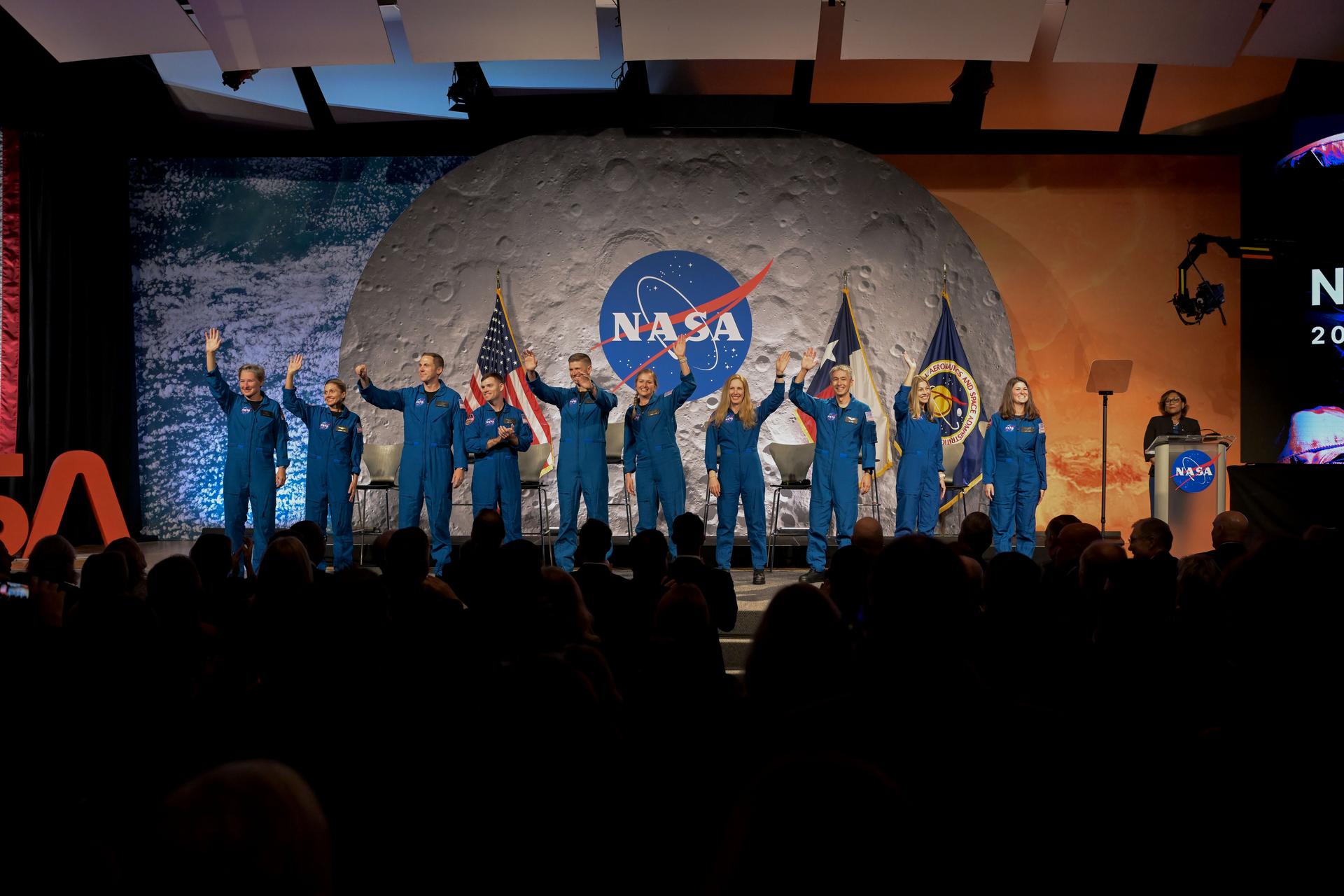
However, securing a place in the astronaut corps is far from easy. The selection process is notoriously competitive. During the previous recruitment round, NASA received more than 8,000 applications but ultimately chose just 10 people.
Applicants must meet strict academic and professional qualifications to be considered. NASA requires candidates to be US citizens, although there is no officially specified upper or lower age limit. The standard educational requirement is a master’s degree in a STEM discipline, including engineering, mathematics and other science-related subjects.
There has also been a significant change in the eligibility criteria concerning nursing professionals. NASA has now included master’s-level nursing qualifications within its definition of acceptable STEM education.
Anna Schneider, a spokesperson for the agency, confirmed the updated requirement to NPR on Sunday. She explained that advanced nursing degrees now satisfy the minimum educational standard, unlike previous recruitment rounds when nursing qualifications were not accepted.
Academic qualifications alone will not be enough. Candidates must also have accumulated at least three years of relevant professional experience after completing their degree.
NASA is allowing certain applicants to qualify through alternative professional and academic routes. Those pursuing a STEM-related PhD may be considered without meeting the usual master’s degree and work-experience combination. Medical doctors and pilots with extensive flying experience are also eligible for consideration.
Candidates who make it through the demanding selection process will face another major challenge: an intensive two-year training programme. The preparation will equip them with the knowledge and practical skills required to operate spacecraft, conduct experiments and handle emergencies in the extreme environment of space.
Among the most important assignments awaiting future astronauts will be lunar missions targeting the Moon’s South Pole. NASA considers the region a major priority for exploration as it works towards developing the capabilities needed for longer human stays on the lunar surface.
The recruitment campaign comes as NASA accelerates preparations to return astronauts to the Moon. The agency is targeting 2028 for a crewed lunar return, which would end a gap of more than five decades since the last human landing in 1972.
To make that ambition possible, NASA is working with private aerospace companies, including SpaceX and Blue Origin, on spacecraft, lunar landing systems and other technologies required for future missions.
Isaacman recently provided an update on the Artemis programme during a November 7 press conference discussing the progress of the Artemis III mission. He expressed strong confidence that the mission would launch in 2027.
The latest astronaut recruitment effort highlights NASA’s long-term ambitions to move beyond short visits to the Moon and develop the infrastructure needed for sustained exploration. For those selected, the opportunity could mean becoming pioneers in a new chapter of human spaceflight, with the possibility of one day living and working on another world.