Rubio Defends Trump’s Iran War After Midterm Election Defeat, Says Military Action Was Necessary to Stop Nuclear Threat- U.S. Secretary of State Marco Rubio has defended President Donald Trump’s decision to wage war against Iran, arguing that military action was necessary to prevent Tehran from developing nuclear weapons, even if the conflict was unpopular with American voters. His remarks came days after Republicans suffered major losses in the November 3 midterm elections, with Democrats capturing control of both chambers of Congress amid growing dissatisfaction over the war, rising energy prices and the administration’s economic policies.
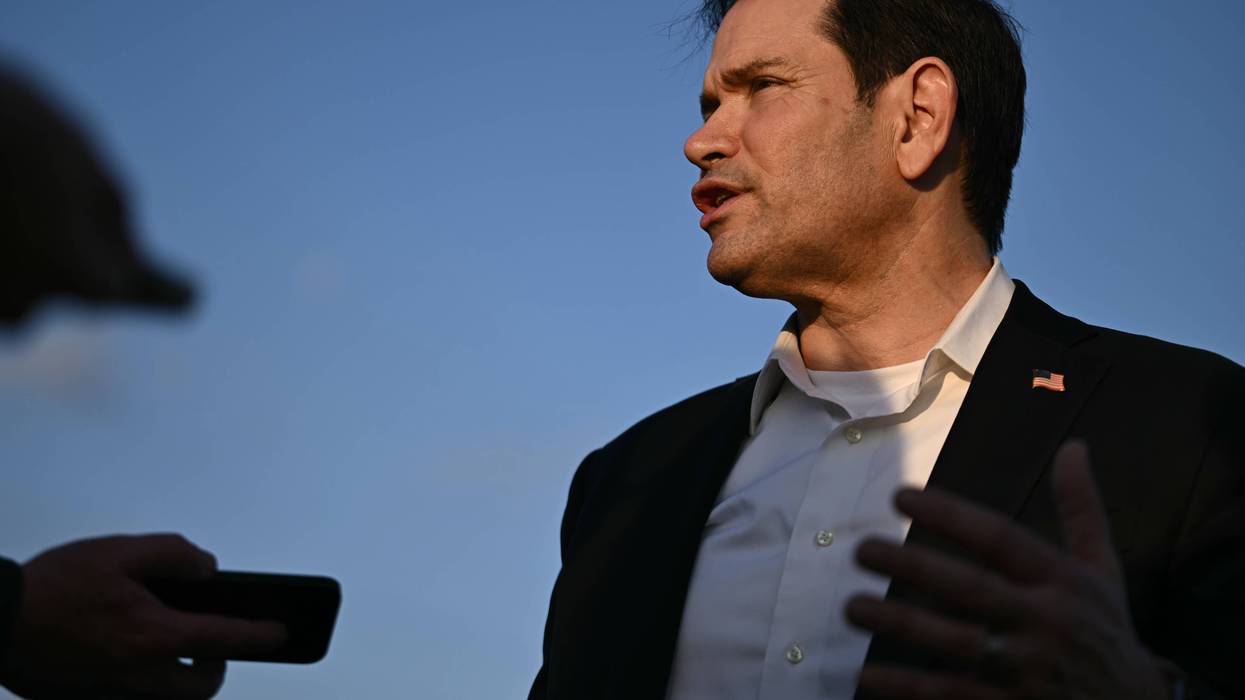
Speaking to reporters in Florida on Sunday, November 8, before travelling to Paris for a Group of Seven foreign ministers’ meeting, Rubio said Trump had identified a serious national security threat and decided to confront it despite the political consequences.
Rubio argued that decisions involving national security are not always popular but may be necessary to protect American interests. He maintained that preventing Iran from acquiring nuclear weapons was a priority that justified the administration’s actions.
The Republican midterm defeat has exposed the domestic political cost of the Iran war. Democrats secured majorities in both the House of Representatives and the Senate, giving them greater influence over congressional investigations, government spending and oversight of the administration.
The conflict’s economic consequences have become a major concern for American households. Disruptions to commercial shipping through the Strait of Hormuz, a strategic waterway that handled approximately one-fifth of global oil and gas trade before the war, have contributed to higher energy costs and uncertainty in international markets.
Rubio and Vance differ over the political consequences
Rubio’s defence comes amid differing assessments from senior Trump administration officials. Vice President JD Vance previously acknowledged that the Iran conflict contributed to Republican losses, highlighting the economic and political difficulties created by the prolonged military campaign.
The contrasting remarks are notable because both Rubio and Vance are considered potential Republican presidential contenders in 2028. Their positions suggest the Iran war could become an important dividing issue within the party.
Trump also acknowledged the conflict’s influence on the election but insisted that military action was justified. He argued that allowing Iran to acquire nuclear weapons would create an extraordinary danger to global security.
Tehran maintains that its nuclear programme is peaceful. However, the International Atomic Energy Agency has reported that Iran possesses approximately 440.9 kilograms of uranium enriched to 60% purity, considerably above levels typically associated with civilian nuclear energy. Weapons-grade uranium is generally enriched to around 90%.
Trump has indicated that he does not currently intend to expand military operations, saying he sees no immediate reason for further escalation.
Iran negotiations remain uncertain
Despite Trump’s stated preference for diplomacy, negotiations between Washington and Tehran remain stalled. Qatar has been attempting to bridge differences between the two sides, but Rubio said discussions were nowhere near a breakthrough.
Iran has demanded an end to the American blockade of its ports, sanctions relief, the release of frozen assets, compensation for war damage and an end to regional hostilities, including Israeli military operations in Lebanon.
Trump is scheduled to meet Qatari Prime Minister Sheikh Mohammed bin Abdulrahman Al Thani on Monday, November 9, as Washington considers diplomatic proposals aimed at ending the confrontation.
Meanwhile, maritime security remains a major concern, particularly around the Strait of Hormuz. Disruptions to shipping and continuing military pressure have kept international energy markets vulnerable to further instability.
How the midterm elections could change US foreign policy
The Democratic takeover of Congress could complicate Trump’s foreign policy agenda during the final two years of his presidency. Although the president retains considerable authority over military operations and international negotiations, Democrats will gain greater control over congressional committees and federal spending debates when the new Congress takes office in January 2027.
They could organise investigations into the administration’s decision to attack Iran, question military expenditures and demand greater transparency about the objectives and duration of the conflict. Congress also controls appropriations, giving lawmakers opportunities to challenge funding for military operations.
However, the election results do not automatically transfer control of foreign policy to Democrats. Trump remains commander-in-chief and retains substantial authority over military decisions and diplomacy. Any attempt to impose binding restrictions would face legislative and procedural obstacles.
The consequences could extend beyond Iran, affecting American assistance to Israel, support for Ukraine and relations with NATO allies. Democrats may seek greater congressional scrutiny of overseas military commitments and demand clearer explanations of how those engagements serve American interests.
For Tehran, the changing political environment could create additional pressure on Washington to consider a negotiated settlement. Iranian officials may view domestic opposition to the war as an opportunity, although there is no guarantee that Democrats would support Iran’s demands or that Trump would accept major concessions.
The midterm elections have changed the political environment surrounding the Iran war, but not America’s military position overnight. Trump now faces a divided government, increased congressional scrutiny and growing public dissatisfaction over the economic consequences of the conflict. Whether these pressures encourage diplomacy or produce a tougher confrontation with Tehran remains uncertain.