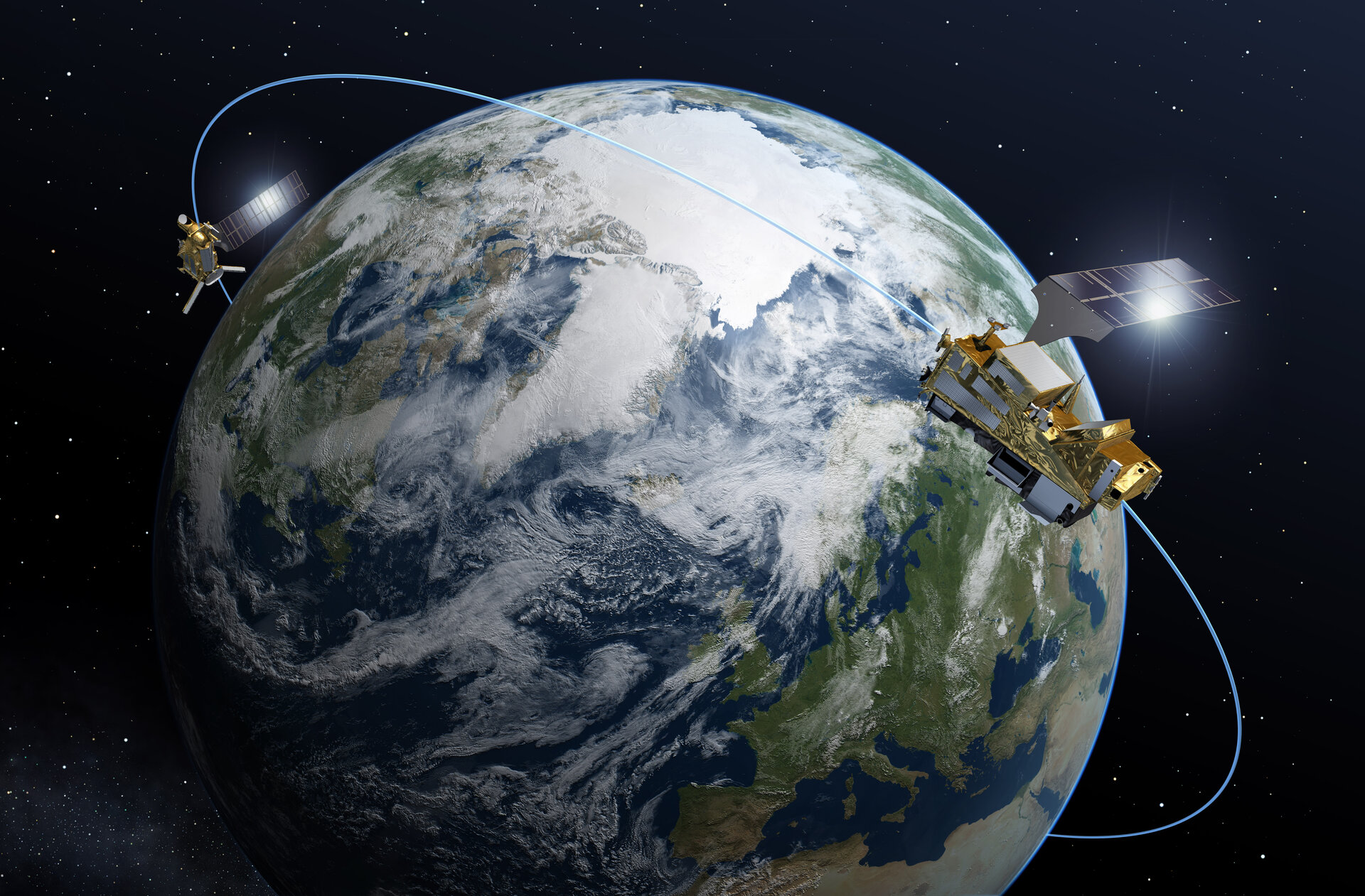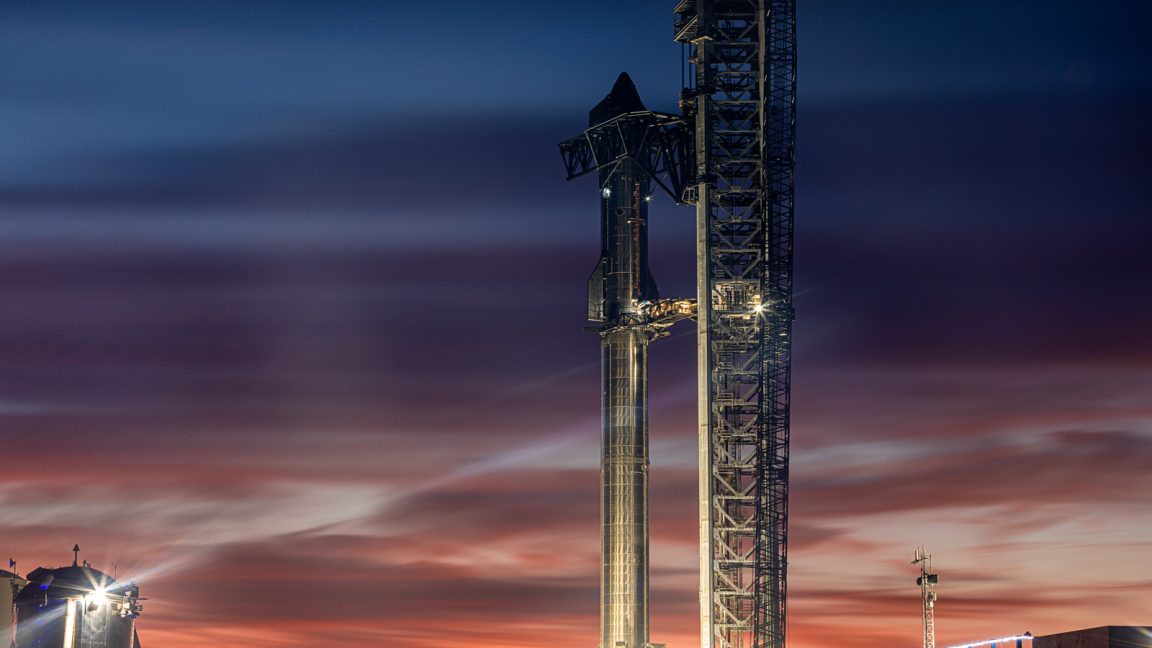
Standing 407 feet (124 metres) tall, Starship is scheduled to launch at 4:45 p.m. Central Time (2245 GMT) from SpaceX’s Starbase facilities in South Texas. The mission will mark the rocket’s 15th flight since 2023 and its second mission carrying a batch of operational Starlink satellites.
The launch carries two important objectives for SpaceX. Alongside supporting the company’s satellite internet business, it will test technologies that could determine whether Starship can eventually return to Earth, be recovered and launched again with minimal refurbishment.
However, the mission was still awaiting a launch licence from the US Federal Aviation Administration (FAA) as of Friday morning. The regulator, which has generally issued approvals shortly before previous Starship launches, had not immediately responded to a request for comment.
For Musk, the stakes extend far beyond another successful rocket launch. SpaceX sees Starship as the foundation of its long-term ambitions to expand its Starlink satellite network and potentially deploy an enormous constellation of AI-powered data-processing satellites, known as Starmind.
Such a system could transform SpaceX from a rocket-launch and satellite communications company into a major infrastructure provider for the rapidly expanding artificial intelligence industry.
First Attempt to Catch Starship’s Upper Stage
SpaceX’s previous Starship mission took place in September, when the rocket successfully reached orbit and deployed its satellites despite several engines shutting down during the flight. The mission was originally planned to last approximately 10 hours but ended after around three hours, with the spacecraft completing an intact splashdown in the Pacific Ocean.
Friday’s planned flight introduces a much more ambitious recovery objective. SpaceX wants to bring both major sections of the rocket back to Texas: the Super Heavy booster and the Starship upper stage, which serves as the spacecraft itself.
The Super Heavy booster, measuring approximately 236 feet (72 metres), will return to the launch site shortly after liftoff. Around 10 minutes into the mission, it is expected to descend vertically towards the launch tower, where enormous mechanical arms will attempt to grab it.
SpaceX has already demonstrated this technique three times, successfully recovering Super Heavy boosters using the tower’s giant mechanical arms. The last successful tower catch took place in March 2025.
The more challenging part will come later.
For the upcoming mission, SpaceX plans to recover Starship’s upper stage in a similar fashion for the first time. After completing approximately 14 orbits around Earth, the spacecraft is expected to return to Texas roughly 22 hours after launch.
The company must first move the recovered Super Heavy booster away from the launchpad to make room for the returning spacecraft. If everything proceeds according to plan, the first-ever Starship upper-stage catch is expected around 2:45 p.m. Central Time (2045 GMT) on Saturday.
SpaceX has described a successful recovery of both rocket sections as a potential breakthrough towards making Starship a dependable and rapidly reusable launch system.
Why Starship Is Critical to Musk’s Bigger Ambitions
Starship is central to several of SpaceX’s long-term business and technological ambitions. Its enormous payload capacity could allow the company to launch substantially more Starlink satellites in fewer missions, helping expand its global satellite internet network.
The rocket could also eventually support Musk’s plans for Starmind, a proposed constellation of AI data-processing satellites. Moving computing infrastructure into space could become another major commercial opportunity for SpaceX as demand for artificial intelligence processing continues to increase.
Musk has previously indicated that he wants SpaceX to establish a much faster launch schedule. He expects the company to reach a weekly Starship launch cadence during the first half of 2027.
SpaceX is also preparing to expand its launch infrastructure beyond Texas. The company has said it could begin launching Starship from a new facility in Florida by the end of 2026, potentially giving it additional capacity to support more frequent missions.
Achieving those ambitions, however, will require solving some of the most complicated engineering challenges in modern rocketry.
NASA’s Moon Mission Depends on Starship
Starship is also a crucial component of NASA’s Artemis programme, which aims to return astronauts to the Moon.
In 2021, NASA selected SpaceX to develop a version of Starship capable of transporting astronauts from lunar orbit to the Moon’s surface. The agency has since provided approximately $3.2 billion in funding towards the programme, while SpaceX has invested at least $15 billion of its own money in Starship’s development.
NASA and SpaceX are targeting a crewed lunar landing using Starship by 2028. However, several major technical milestones remain unresolved, raising questions about whether the ambitious schedule can be achieved.
One of the biggest challenges is demonstrating the ability to transfer enormous quantities of fuel between Starship spacecraft while they are operating in orbit.
The plan involves launching specialised Starship tanker vehicles that would deliver propellant to another Starship already in space. This process is essential because the spacecraft will need significantly more fuel to travel beyond Earth’s orbit and reach the Moon.
Successfully demonstrating orbital refuelling would represent a major advancement, potentially opening the door to missions that travel much farther into space.
For now, SpaceX‘s immediate challenge is recovering Starship itself. If the company manages to catch both the Super Heavy booster and the upper stage at its Texas launch site, it will achieve an important step towards its vision of fully reusable rockets.
The technology could eventually reshape the economics of space exploration, making frequent launches cheaper and allowing larger spacecraft to carry satellites, cargo and astronauts beyond Earth.
But with the upper-stage recovery still unproven, Friday’s mission could become one of the most consequential tests in Starship’s development.