Billions Spent, Millions Sold, But Why Are GTA VI Players Asking for Refunds? The gaming industry has witnessed one of its biggest commercial launches with Rockstar Games’ Grand Theft Auto VI (GTA VI), but the celebration surrounding its extraordinary sales figures is accompanied by an uncomfortable consumer debate. Despite years of anticipation, enormous promotional expectations and billions of dollars in reported retail sales, some players are already seeking refunds, raising questions about technical performance, digital purchase policies and whether the hype surrounding the franchise has overshadowed the actual customer experience.
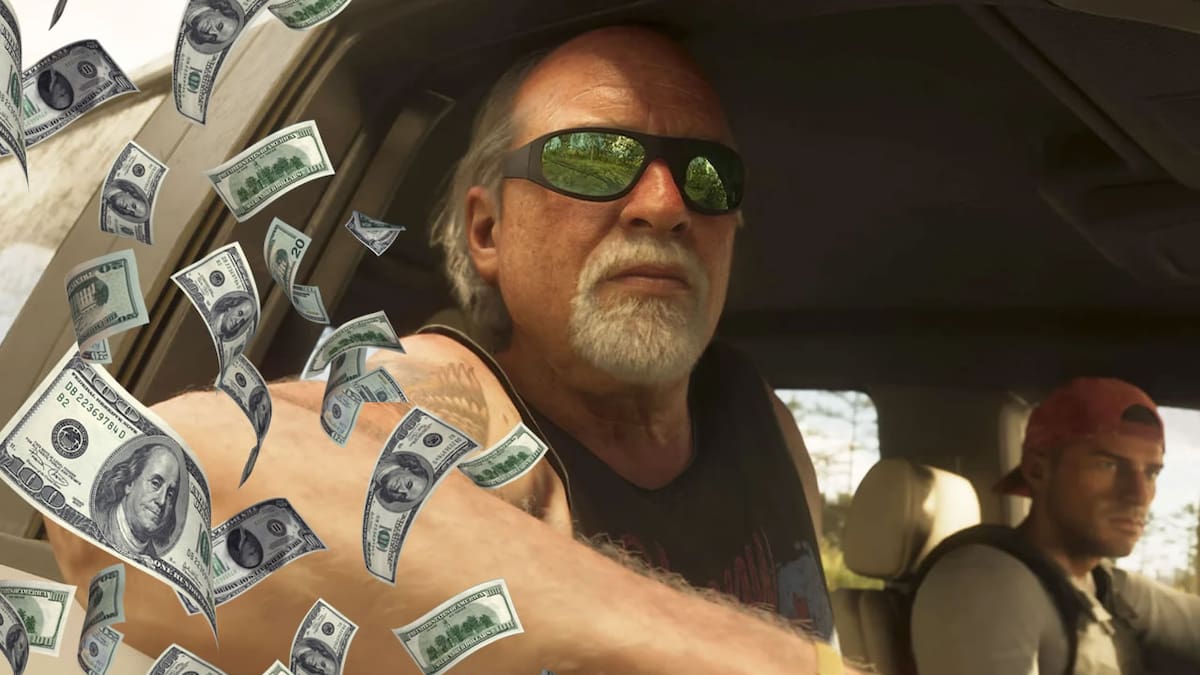
Rockstar Games announced that GTA VI generated an estimated $3.79 billion in worldwide retail sales on its first day, while 32.5 million units were sold before its official release. The publisher described the achievement as the biggest entertainment launch in history. The figures have attracted considerable attention across the gaming industry, with GTA VI quickly becoming a subject of discussion among players, investors and technology enthusiasts.
However, behind the impressive numbers is a growing conversation about whether every customer is receiving the experience they expected after spending a substantial amount on the game.
The much-discussed $2 billion development budget has also become part of the GTA VI marketing narrative, although Rockstar has not officially confirmed that figure. The estimate has circulated through industry discussions and online reports, with different calculations attempting to account for development, salaries, technology, marketing and long-term production expenses. It is important to distinguish these estimates from an officially disclosed development budget.
Nevertheless, the possibility of a game costing anywhere close to $2 billion has helped create an extraordinary perception around GTA VI. It encourages consumers to expect something that goes beyond a conventional video game. When a product is surrounded by such enormous financial claims, expectations naturally become difficult to manage.
The bigger question is whether the gaming industry is increasingly selling expectations before allowing customers to judge the finished product. Rockstar has spent years building anticipation through trailers, promotional announcements, exclusive reveals and the enormous popularity of the Grand Theft Auto franchise. The result has been an extraordinary level of consumer interest, with millions of players eager to purchase the game even before knowing exactly how it would perform on their individual systems.
The commercial success is undeniable, but sales records alone cannot establish whether every customer is satisfied.
The refund debate has become particularly noticeable among digital buyers. Following the November 19 launch, some players reportedly complained about performance issues, glitches, crashes and gameplay elements that did not match their expectations. Others have expressed dissatisfaction with their purchase and attempted to recover their money through digital storefronts.
The complaints have attracted attention because GTA VI was marketed as a landmark release after more than a decade of waiting for a new mainline Grand Theft Auto title. For many fans, the purchase was not simply another gaming expense but the culmination of years of anticipation.
Some consumers have also encountered difficulties obtaining refunds after downloading the game. This has brought renewed attention to the refund policies of Sony’s PlayStation Store and Microsoft’s Xbox marketplace.
PlayStation’s digital refund policy generally requires customers to request a refund within 14 days of purchase, provided the game has not been downloaded or streamed, unless the content is faulty. This creates a difficult situation for customers who download a game immediately after release but subsequently encounter problems or decide that the experience does not justify the price.
Microsoft has its own refund conditions, generally considering factors such as purchase date and playing time. These differences have become an important part of the wider discussion about digital ownership and consumer rights.
The issue is not limited to technical complaints. On November 24, US law firm Shub Johns & Holbrook announced an investigation into whether some GTA VI customers who received a promotional month of GTA+ through digital pre-orders were adequately informed about automatic subscription renewals and unexpected charges.
The investigation concerns customers who may have been billed after accepting the promotional offer or attempting to cancel it. This is an investigation into potential consumer complaints, not a court finding that Rockstar or Sony committed wrongdoing.
Another law firm has also announced an investigation into complaints involving crashes and refund denials. These developments indicate that consumer concerns are extending beyond the gaming experience itself to purchasing conditions and subscription practices.
The marketing strategy surrounding GTA VI deserves particular scrutiny. Rockstar has built an enormous promotional ecosystem around the franchise, and the company’s commercial success demonstrates how powerful its brand has become. However, when consumers are repeatedly exposed to record-breaking sales announcements, extraordinary budget estimates and claims of unprecedented entertainment value, the distinction between genuine product quality and promotional excitement can become blurred.
A game should ultimately be judged by its performance, gameplay, storytelling, accessibility and the value it provides after purchase. Its development budget or opening-day revenue cannot automatically justify every consumer complaint.
There is also a financial dimension to consider. The standard US edition of GTA VI has been reported at approximately $80, making it an expensive purchase for many players. When additional spending on consoles, accessories and subscriptions is included, the overall cost of entering the latest gaming experience can become considerably higher.
The PlayStation 6 confusion is another area where buyers need to remain cautious. GTA VI’s official launch platforms are PlayStation 5 and Xbox Series X|S. There is no officially released PS6 GTA VI bundle. Consumers should be careful with sellers advertising supposedly exclusive PS6 packages, early-access codes or unrealistic discounts.
With demand remaining high, unofficial sellers and misleading advertisements can take advantage of people who want to purchase the game quickly. Buyers should verify the platform, seller and product details before making payments.
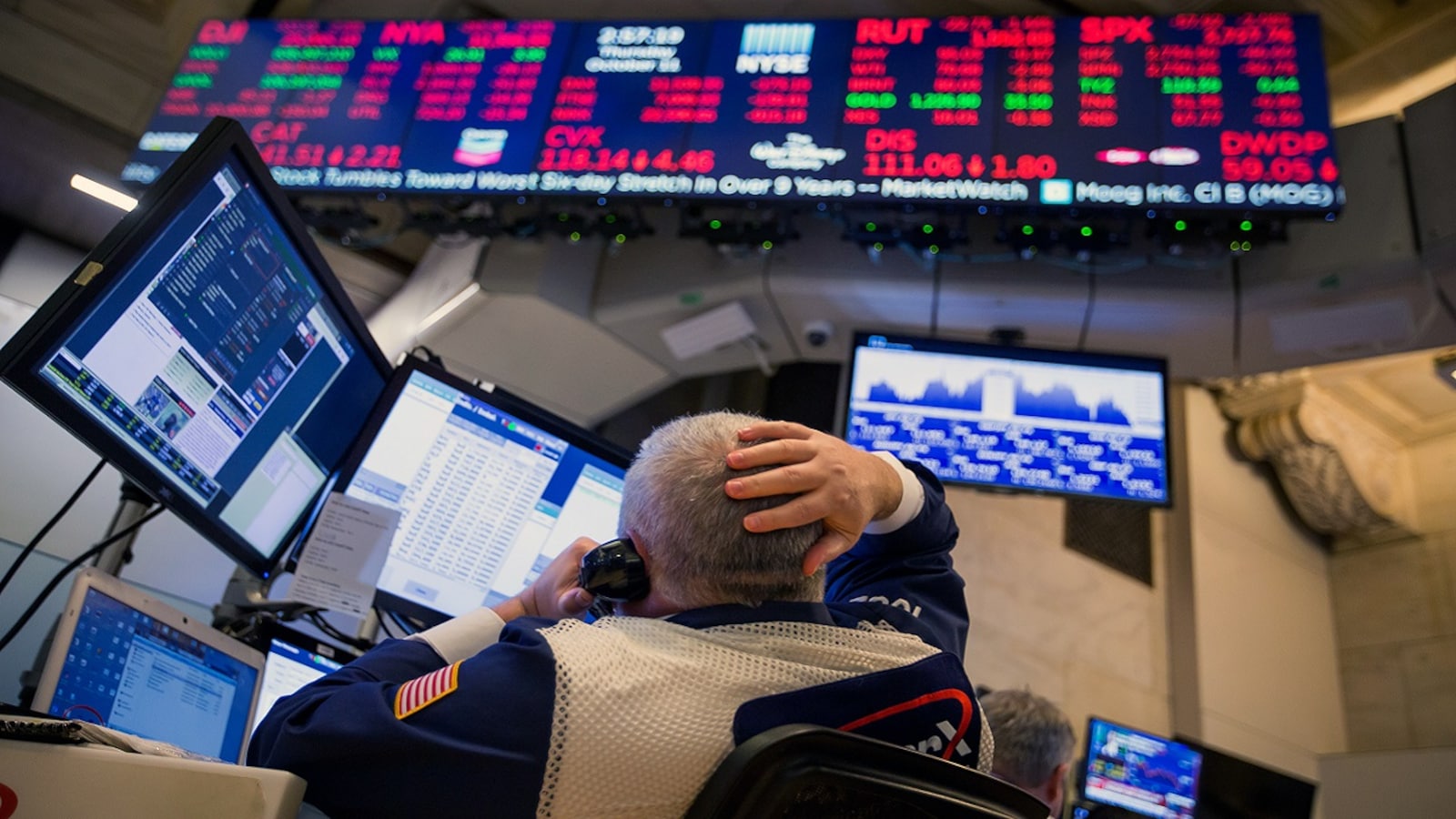
Interestingly, the commercial success of GTA VI has not removed every concern among investors either. Take-Two Interactive shares experienced pressure around the launch despite the record sales announcement. Market analysts have pointed to expectations surrounding future GTA Online revenue, long-term player engagement and the company’s ability to sustain its financial performance.
Fortune reported on November 25 that research firm Alinea Analytics estimated GTA VI had sold approximately 44.9 million copies by the end of its opening weekend, generating more than $4 billion in retail spending. These are independent estimates, not figures officially confirmed by Take-Two.
The difference between retail sales and publisher revenue is equally important. Rockstar’s $3.79 billion announcement represents estimated worldwide retail spending, not the amount the company necessarily retains. Retailers, platform operators and other commercial participants have their own share of the transaction.
This distinction matters because impressive headline figures can sometimes create an exaggerated impression of how much money actually reaches the publisher.
Ultimately, GTA VI remains a major commercial achievement for Rockstar Games. Its popularity reflects the strength of the franchise, the loyalty of its audience and the enormous demand for high-budget open-world games.
But commercial success should not make consumer criticism irrelevant. Players have every right to question technical performance, pricing, refund conditions and promotional practices. Companies must recognise that customers are purchasing an experience, not simply contributing to another record-breaking sales announcement.
The real challenge for Rockstar will be maintaining consumer confidence long after the initial excitement disappears. A successful launch can generate billions, but long-term trust depends on consistent product quality, transparent business practices and responsive customer support.
For an industry that increasingly relies on digital purchases, premium pricing and subscription-based services, GTA VI could become an important example of why consumer satisfaction must remain as important as commercial performance.
After all, breaking sales records is one achievement; convincing millions of customers that their money was well spent is another. China’s AI Stock Boom Turns Into a $1.7 Trillion Rout as Investors Reassess Tech Bets | Maya