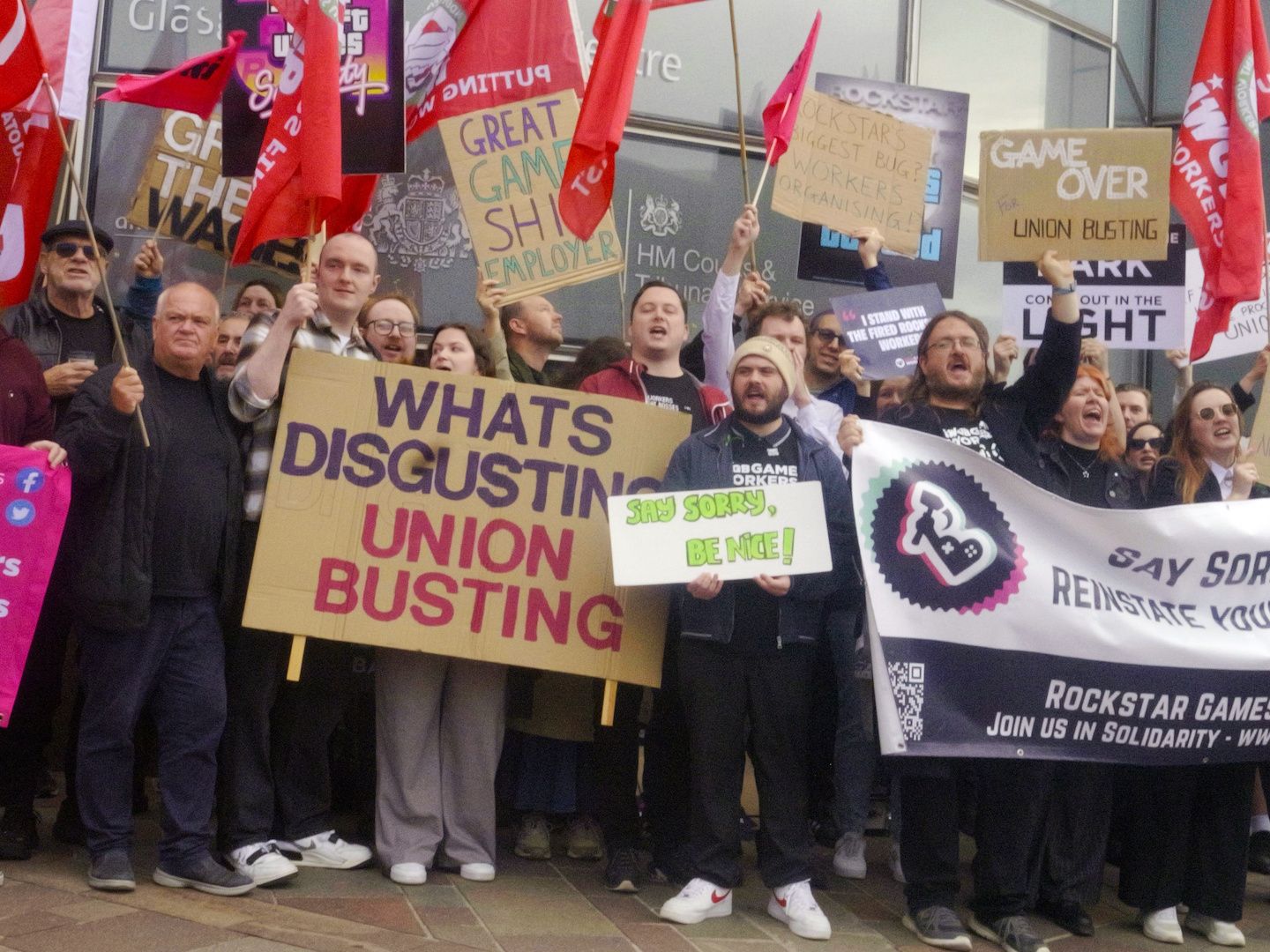
Rockstar Games Workers Reject Union Recognition Bid Despite Continued Push for Workplace Rights: Workers at Rockstar Games have voted against formal union recognition, marking a setback for employees seeking a stronger collective voice at the studio behind the highly anticipated Grand Theft Auto VI. The recognition proposal received support from just 25 percent of voters, meaning the campaign failed to secure the backing needed to establish an official negotiating relationship with the company.
The vote took place between November 12 and November 26, a particularly significant period for Rockstar as anticipation surrounding GTA VI continues to build. The campaign was supported by the Independent Workers Union of Great Britain (IWGB), which had been working to secure formal recognition for union members at the developer.
Although the outcome is a disappointment for supporters of the campaign, the IWGB has indicated that its organizing efforts will continue. Union members at Rockstar intend to keep advocating for better working conditions and employee protections, even without an officially recognized agreement with the studio.
The proposed recognition agreement would have given workers a more structured way to negotiate with Rockstar management over several important employment matters. These included pay, overtime, bonuses, annual leave and pension arrangements. Having a formal framework would have allowed union representatives to raise collective concerns and seek meaningful discussions with the company rather than relying entirely on individual employees to address workplace issues.
Another important part of the proposal involved consultation over decisions that could significantly affect employees. This included potential layoffs, workplace changes and the growing use of artificial intelligence (AI) in game development. As AI technology becomes increasingly integrated into creative and technical industries, questions about job security and the future of existing roles have become more relevant for developers.
Had the vote succeeded, Rockstar would have been required to engage with recognized union representatives through a formal process. This would have created an established channel for discussing workplace policies and negotiating changes affecting employees.
However, following the rejection, Rockstar Games will have no obligation to meet union representatives or negotiate through a formally recognized collective bargaining arrangement. That does not mean employees are prevented from organizing or raising concerns. Workers can still join the union, participate in collective activities and campaign for changes within the company, although they will have fewer formal avenues to bring their demands directly to management.
The IWGB’s decision to continue organizing suggests that the failed vote will not necessarily mark the end of the unionization movement at Rockstar. Instead, the focus could shift towards maintaining employee participation, building support and encouraging the company to listen to workers’ concerns without a formal recognition agreement.
The outcome also highlights the challenges associated with unionization in the video game industry. Over the past few years, employee rights, job security and working conditions have become increasingly important topics across major gaming studios. Large development projects can involve years of work, tight deadlines and considerable pressure on employees, particularly when companies are preparing major releases.
Rockstar is no exception in terms of the attention its development practices receive. The studio’s games are among the biggest commercial releases in the entertainment industry, and the expectations surrounding Grand Theft Auto VI have placed its workforce and production process under considerable scrutiny.
The broader gaming industry has also experienced significant layoffs and restructuring, making employment security an important concern for developers. At the same time, technological developments, including AI-powered production tools, are creating new questions about how studios will manage their workforces and whether employees will have a say in decisions that could affect their careers.
For workers supporting unionization, formal recognition would have provided an opportunity to address these challenges collectively. Without it, employees will have to rely more heavily on informal discussions, internal advocacy and continued organizing to push for improvements.
The 25 percent support result represents a clear defeat for the current recognition campaign, but it does not establish that workplace concerns have disappeared or that future organizing efforts are impossible. The IWGB’s commitment to continuing its activities indicates that the discussion around employee representation at Rockstar is likely to remain active.
For now, Rockstar avoids the formal negotiating obligations that would have followed a successful recognition vote. Meanwhile, union members face the challenge of keeping their campaign alive and demonstrating why collective representation matters to employees.
As the gaming industry moves towards increasingly ambitious productions and new technologies, questions about fair compensation, job security and employee consultation are unlikely to fade. The attempt to secure formal union recognition may have failed, but the wider debate over workers’ rights at Rockstar Games is far from over.