
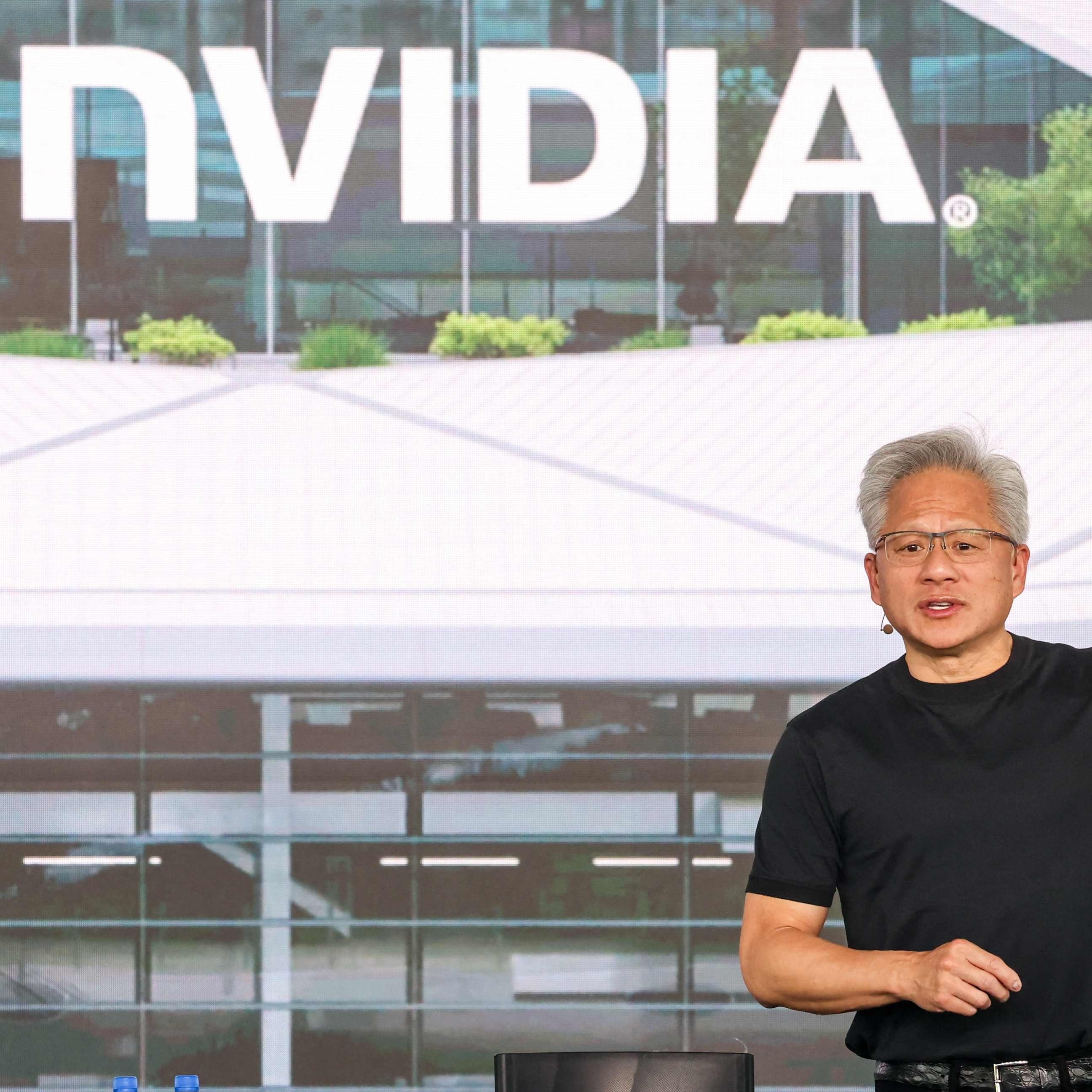
The development could have significant consequences for the rapidly expanding AI infrastructure market, particularly companies that operate specialized cloud computing services and rent GPU capacity to businesses developing and running artificial intelligence models.
The new restrictions were announced on November 16 by the US Department of Commerce’s Bureau of Industry and Security (BIS). The interim final rule officially took effect on November 19 and is intended to close a regulatory gap that previously allowed Chinese companies to access advanced American-made AI processors without directly purchasing or importing them into China.
Under earlier US export controls, the sale of Nvidia’s most advanced chips to Chinese customers and their direct shipment into China were effectively restricted. However, companies could potentially bypass some of these limitations by renting computing power from data centers located in other countries.
This arrangement allowed Chinese businesses to access powerful GPUs remotely while the physical hardware remained outside China’s borders. The latest regulatory changes are designed to address that possibility by extending restrictions to remote access arrangements.
The new policy affects multiple parts of the Nvidia supply chain, including chip distributors, GPU buyers and neocloud operators that provide computing resources to customers. As a result, companies seeking to purchase Nvidia processors may now face additional scrutiny over who ultimately uses the computing capacity generated by those chips.
Before the latest announcement, Nvidia had reportedly told customers that it would not sell GPUs to businesses if more than 50% of their computing capacity was being rented to Chinese companies, CNBC previously reported. The new restrictions appear to go further by targeting indirect access across the broader supply chain.
The situation has also created challenges for chip sellers attempting to identify alternative buyers for Nvidia’s powerful processors. CNBC reported that some sellers were looking for new customers for GPUs originally intended for deployment in data centers where Chinese businesses would have rented computing access.
Two people familiar with the matter indicated that some of these processors could now need to be redirected towards different buyers because of the regulatory changes. This could create uncertainty for companies that had already planned their infrastructure investments around providing computing services to international customers.
US Trade Representative Jamieson Greer defended the restrictions during an appearance on CNBC’s Squawk Box, explaining that the administration wanted to prevent companies from accessing restricted technology through indirect arrangements.
He said the Commerce Department’s rules were intended to close loopholes involving both potential smuggling through Southeast Asian countries and remote access to computing resources hosted in data centers located outside China.
The latest development comes as US lawmakers continue exploring additional measures to limit China’s access to advanced computing technology. Washington has increasingly treated high-performance AI processors as strategically important technology, particularly because of their potential applications in artificial intelligence, advanced computing and other sensitive areas.
Nvidia has become a central company in this dispute because its GPUs are widely used to train and operate advanced AI systems. Demand for its processors has increased significantly as technology companies, cloud providers and AI developers expand their data center infrastructure.
However, the latest restrictions could make it more difficult for Nvidia’s customers and distribution partners to serve international markets while remaining compliant with US export regulations.
The pressure is also being felt across the neocloud sector. These companies specialize in providing access to high-performance GPU infrastructure, often targeting AI developers and businesses that need substantial computing power without investing in their own data centers.
Neocloud stocks have recently come under pressure as investors reassess the long-term sustainability of the AI infrastructure boom. Concerns about heavy capital expenditure, access to advanced chips, customer demand and the profitability of GPU rental businesses have contributed to uncertainty surrounding the sector.
The new restrictions could add another challenge by limiting the number of potential customers available to these providers. Companies that previously expected to generate revenue from Chinese clients may now have to reconsider their business models and seek customers in other markets.
Meanwhile, Nvidia has also raised concerns about another proposed piece of US legislation. The Remote Access Security Act, which has passed the House of Representatives but still requires Senate approval, could give the US government broader authority to regulate access to cloud computing services.
According to people previously familiar with Nvidia’s position who spoke to CNBC, the company warned customers that the proposed legislation could expose both service providers and their customers to potential legal action.
Nvidia and the US Department of Commerce’s Bureau of Industry and Security did not immediately respond to CNBC’s requests for comment on the latest developments.
The broader implications of these measures could extend well beyond Nvidia. As governments increasingly focus on controlling access to advanced AI hardware, cloud computing companies and semiconductor distributors may face stricter requirements to monitor where their technology is being used and who is benefiting from it.
For Nvidia, the challenge is no longer limited to controlling where its chips are physically sold. Increasingly, US regulations are also focusing on who can remotely access the computing power those chips provide. With Washington tightening oversight of advanced semiconductor technology, the global AI infrastructure industry may need to adjust its business strategies to account for a more restrictive regulatory environment. Rockstar Games Workers Reject Union Recognition Bid Despite Continued Push for Workplace Rights | Maya
