War Clouds Over the Durand Line: Pakistan and Afghanistan in Fresh Confrontation
Tensions between Pakistan and Afghanistan have surged dramatically, with heavy cross-border clashes pushing the two uneasy neighbors toward one of their most serious confrontations in years. What began as reported skirmishes along the disputed frontier has rapidly escalated into a broader military exchange, with Islamabad launching what it describes as a decisive counter-offensive against Afghan Taliban positions.
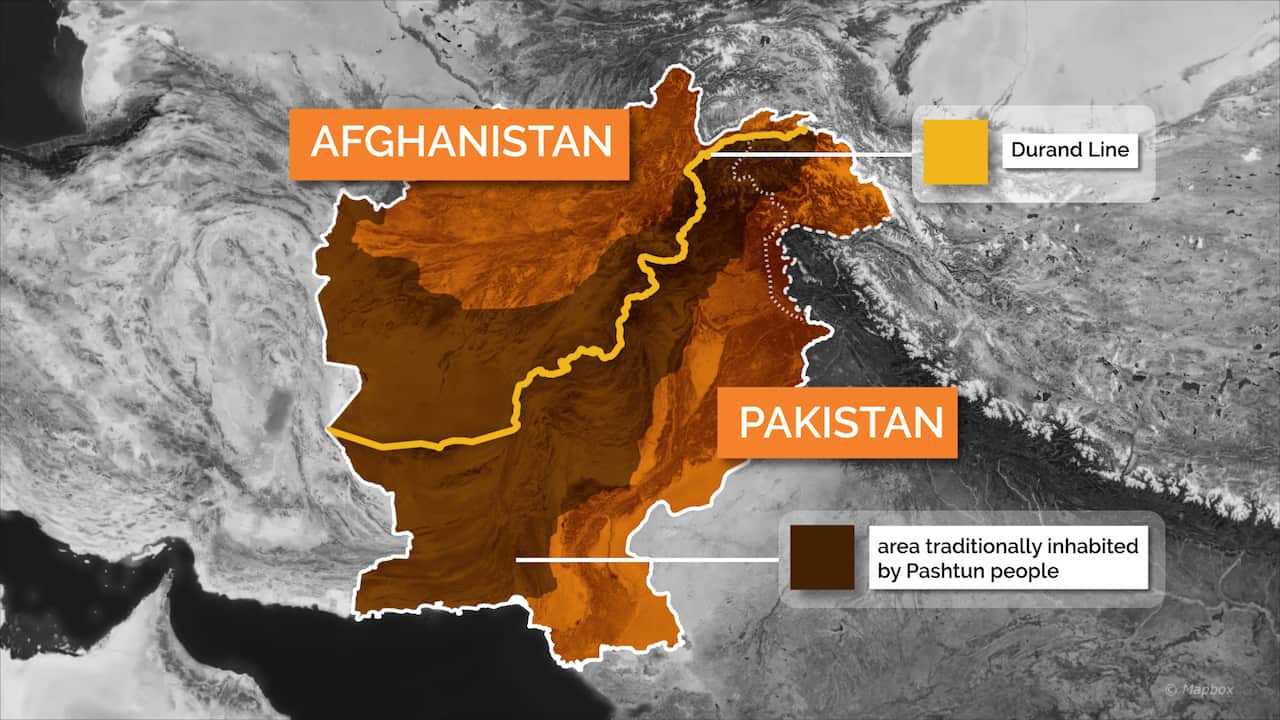
The flashpoint lies along the Durand Line, the 2,600-kilometer border that has long been a source of friction. Pakistan recognizes it as the official international boundary, while successive Afghan governments — including the current Taliban administration — have rejected its legitimacy. This longstanding dispute has periodically erupted into violence, but recent developments suggest a more sustained and dangerous phase.
Prime Minister Shehbaz Sharif issued a stern warning, declaring that Pakistan’s armed forces are prepared to “crush” any aggression threatening the country’s sovereignty. Islamabad announced the launch of “Operation Ghazab lil-Haq,” framing it as a response to what officials called unprovoked attacks from across the border.
According to Pakistani authorities, the operation targets positions held by the Taliban, who have governed Afghanistan since returning to power in 2021. Officials claim that dozens of Taliban fighters have been killed and more than a hundred injured in precision strikes. They also report the destruction of multiple border posts, armored vehicles, artillery systems, and ammunition depots.
Information Minister Attaullah Tarar said counter-attacks were ongoing and emphasized that “every aggression will be firmly countered.” Meanwhile, Defence Minister Khawaja Asif described the military response as “crushing,” calling for political unity at home as the security situation unfolds.
State media outlets including PTV News and Radio Pakistan reported varying casualty figures but confirmed significant militant losses. Pakistani officials acknowledged that at least two security personnel were killed and several others wounded in the clashes.
On the Afghan side, Taliban authorities have accused Pakistan of violating Afghan territory and warned of retaliation. Taliban spokesmen insist their forces are defending national sovereignty and have rejected Islamabad’s characterization of the fighting. While independent verification of battlefield claims remains difficult, the rhetoric on both sides has intensified, raising fears of further escalation.
The roots of the current crisis extend beyond the border dispute. Pakistan has long accused militant groups operating from Afghan soil of carrying out attacks inside its territory, particularly in the restive Khyber Pakhtunkhwa and Balochistan provinces. Islamabad maintains that Afghan authorities have failed to rein in these elements, while Kabul has countered that Pakistan’s security challenges are internal matters.
Since the Taliban’s takeover of Afghanistan, relations between the two countries have been marked by cautious engagement punctuated by mistrust. Pakistan initially sought to maintain diplomatic channels with the new Afghan leadership, hoping for cooperation on border security and counterterrorism. However, cross-border incidents have persisted, straining ties and fueling nationalist sentiment on both sides.
The humanitarian and economic implications of a prolonged conflict are significant. Border crossings serve as vital trade arteries for landlocked Afghanistan and facilitate commerce that sustains communities on both sides. Escalating violence threatens to disrupt supply chains, displace civilians in frontier regions, and exacerbate economic hardship in countries already grappling with inflation and instability.
Regional and global actors are watching developments closely. Neighboring states fear that a sustained military confrontation could destabilize South and Central Asia, while international organizations have urged restraint. Diplomatic backchannels may still offer an opportunity to de-escalate tensions, but public statements from both governments suggest that neither side is prepared to back down easily.
For Pakistan, the confrontation underscores its determination to assert control over its western border and respond forcefully to perceived security threats. For the Taliban-led Afghan government, the clash presents a test of sovereignty and domestic credibility, particularly among factions that demand a strong stance against external pressure.
As artillery fire and airstrikes reverberate across the rugged terrain of the Durand Line, the risk of miscalculation looms large. History shows that even limited border skirmishes can spiral into broader confrontations if political leaders fail to contain them.
Whether this latest flare-up becomes a prolonged military engagement or gives way to renewed diplomacy will depend on decisions taken in Islamabad and Kabul in the coming days. For now, war clouds hang heavy over the frontier, and the fragile equilibrium between Pakistan and Afghanistan appears more uncertain than ever.