Britain Backs US Missile Strikes on Iran in “Collective Self-Defence” Britain has authorised the United States to use its military bases for what Prime Minister Keir Starmer described as “specific and limited defensive” strikes against Iranian missile sites, in a move that draws the UK deeper into the escalating confrontation across the Middle East.
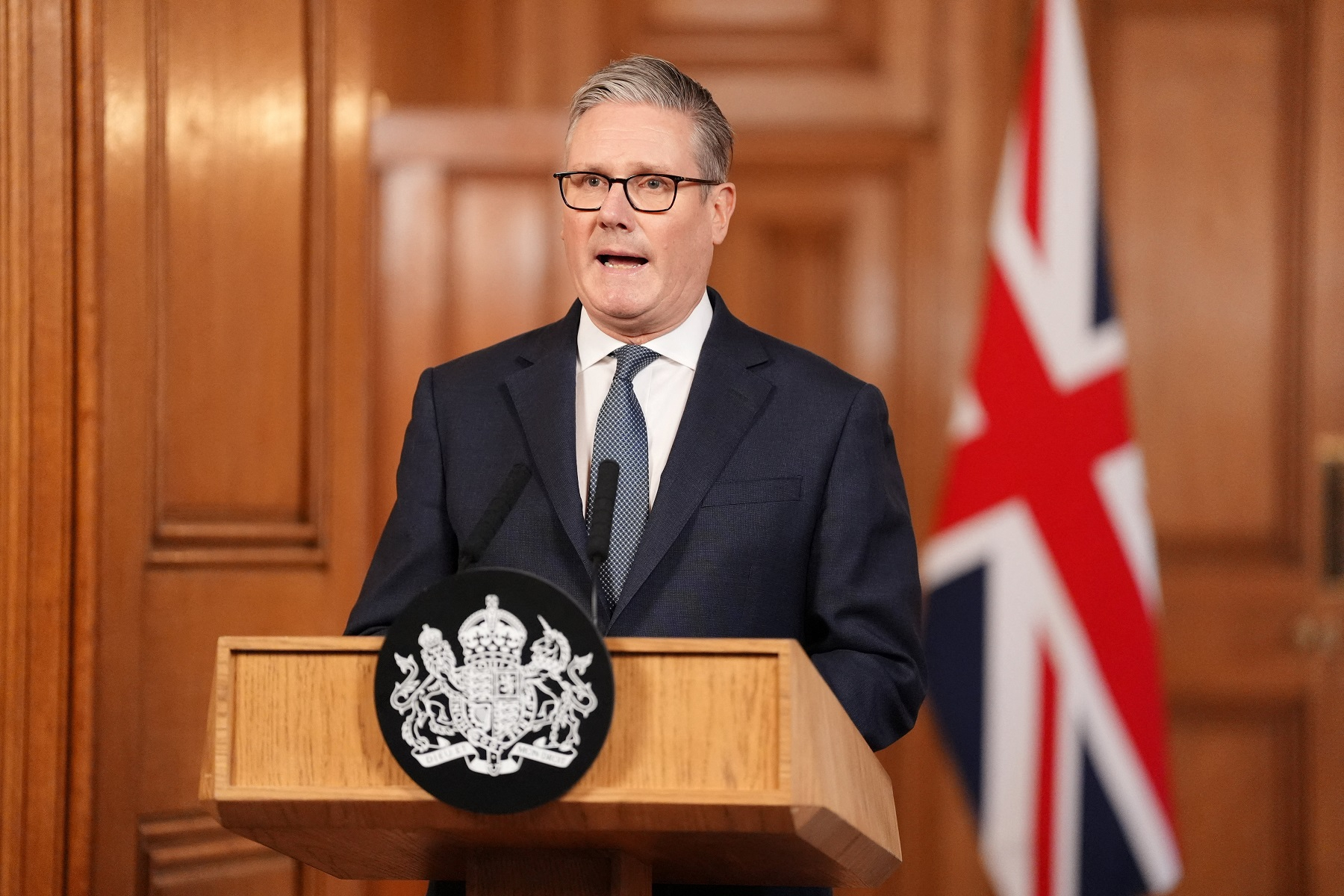
Announcing the decision on Sunday, Starmer said the request from Washington had been accepted under the principle of collective self-defence, with the aim of preventing further missile attacks that could threaten British citizens, armed forces personnel and regional allies. He emphasised that the UK was not involved in the initial US-Israeli strikes on Iran and would not participate in offensive operations, but argued that supporting defensive action was both lawful and necessary.
“The only way to stop the threat is to destroy the missiles at source,” the prime minister said, referring to Iranian missile depots and launchers believed to have been used in recent attacks across the Gulf.
The United States is expected to make use of RAF Fairford in Gloucestershire and Diego Garcia in the Indian Ocean, two strategic bases that have previously supported long-range US bomber missions. While British aircraft are already operating in the region in a defensive capacity, intercepting projectiles aimed at allies, the government insists that this latest step does not represent a shift into direct combat against Iran.
The decision came hours after a drone struck RAF Akrotiri in Cyprus, causing minimal damage and no casualties. The attack, which occurred shortly before midnight local time, is under investigation. Although no group has formally claimed responsibility, the incident underscored growing concerns within Whitehall that British facilities could become targets as hostilities widen.
Starmer said that protecting the estimated 200,000 British nationals currently in the Middle East — including residents, holidaymakers and transit passengers — was a central factor in the government’s thinking. He accused the Iranian regime of adopting an increasingly reckless posture and warned that airports, hotels and military installations used by British personnel had already been hit in recent days.
Under international law, the government argues, states are permitted to use or support force in self-defence when it is the only feasible means to address an ongoing armed attack and when the response is necessary and proportionate. Late on Sunday, ministers published a summary of their legal position outlining this justification. However, the government has stopped short of explicitly endorsing the broader legality of the initial US-Israeli strikes that triggered the latest round of retaliation.
The move has ignited political debate at Westminster. Opposition figures have pressed ministers to clarify the legal basis of the action and to explain why Parliament was not consulted in advance. Critics argue that even a supporting role risks entangling Britain in a wider regional war, while others contend that failing to back allies would weaken deterrence and endanger British interests.
The Conservative leader accused the government of hesitancy and suggested that the delay in granting permission reflected internal divisions. Meanwhile, the Liberal Democrats called for MPs to be given a formal vote, warning that the UK must not be complicit in any unlawful military campaign. Reform UK welcomed the decision as overdue, while the Green Party condemned it as a step toward another prolonged Middle East conflict.
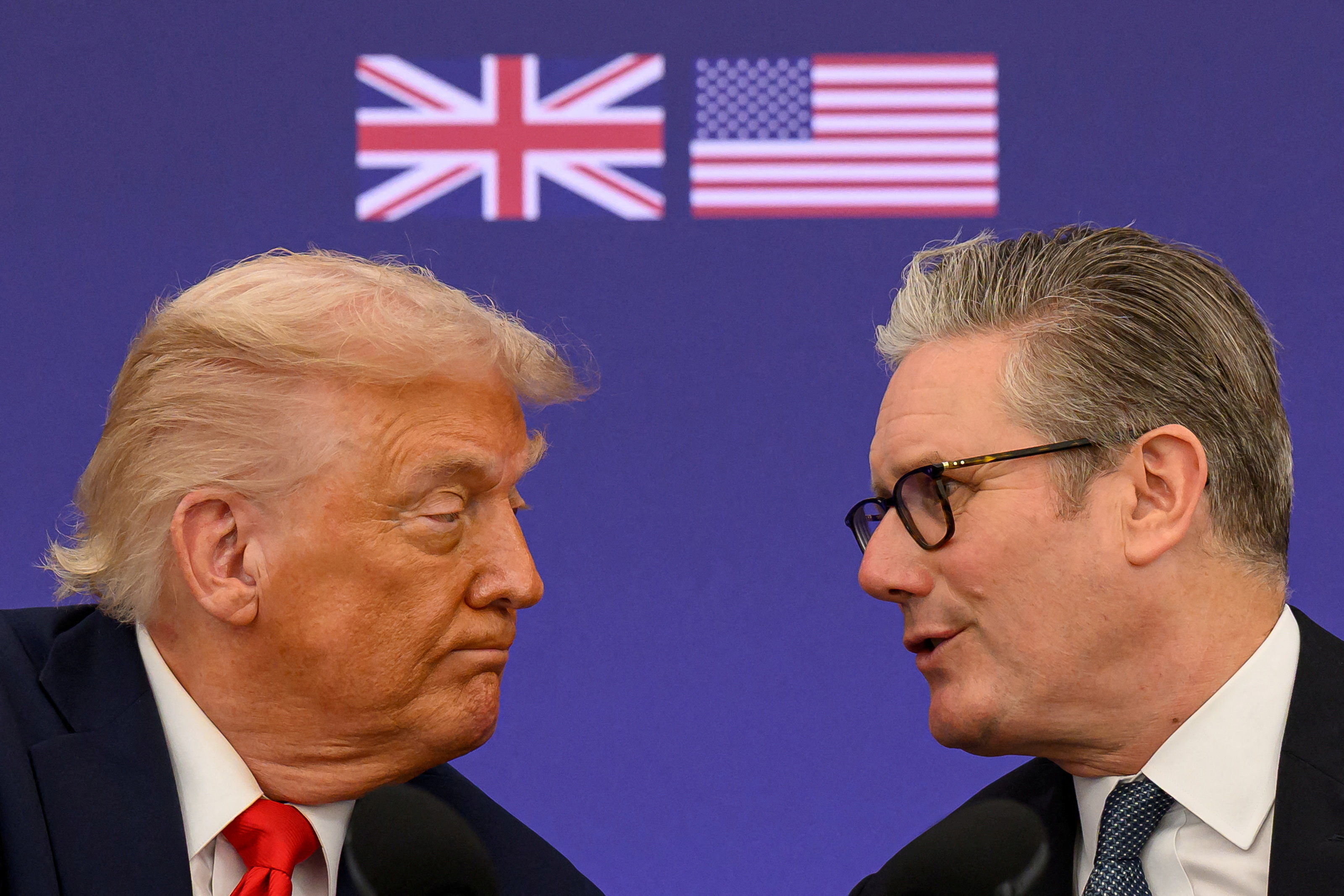
Across the Atlantic, President Donald Trump reportedly expressed frustration that approval took time, hinting that concerns about legal scrutiny may have slowed the process. Washington has indicated that using British territory could be critical if Iran refuses diplomatic overtures and continues missile launches targeting US assets and partner nations in the region.
Iran has responded to the initial wave of US and Israeli strikes with attacks on installations linked to American forces in Bahrain, Qatar, the United Arab Emirates, Kuwait and Iraq. The exchanges have raised fears of a broader regional conflagration involving multiple state and non-state actors.
British officials are also preparing contingency plans to evacuate nationals should regional airspace closures persist or security conditions deteriorate further. The Foreign Office has urged UK citizens in several Gulf states and in Israel and the Palestinian territories to register their presence to receive emergency updates.
Despite the heightened tensions, Starmer has sought to frame the decision as a measured and restrained response designed to contain escalation rather than fuel it. By limiting the UK’s role to enabling what he calls defensive action, he aims to balance solidarity with allies against public and parliamentary caution shaped by the legacy of past interventions, particularly Iraq.
Whether this distinction will hold if hostilities intensify remains uncertain. For now, Britain finds itself walking a narrow line: not a direct combatant, but no longer a bystander, as the conflict between the US, Israel and Iran threatens to redraw the security landscape of the region.