Netflix Stock Slides as Q2 Outlook Misses Estimates, Reed Hastings Steps Down-
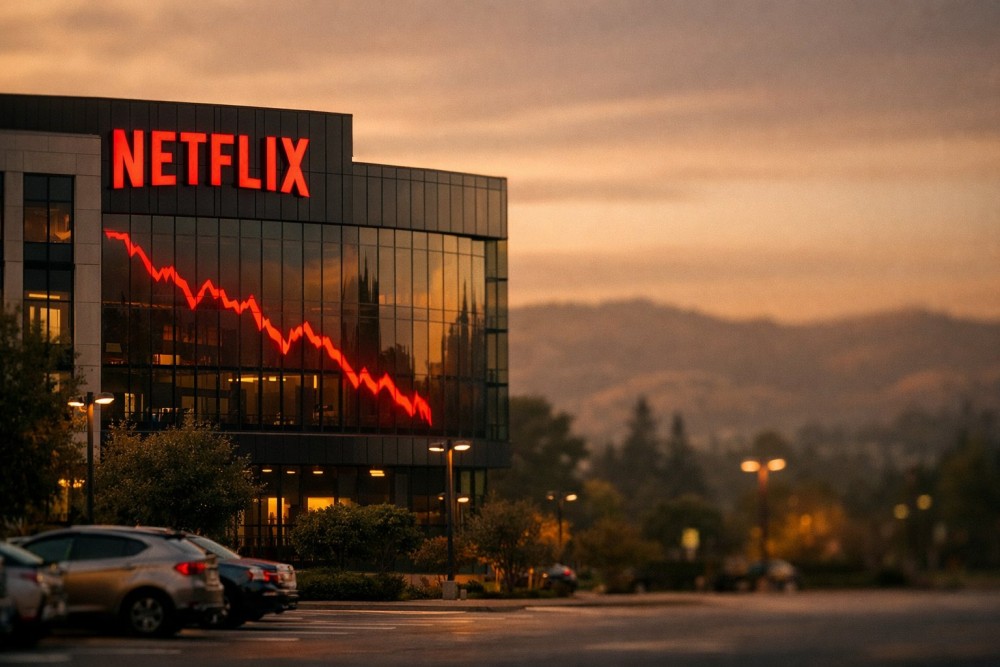
Netflix shares tumbled more than 10% in pre-market trading on Friday after the company issued a weaker-than-expected outlook for the second quarter and confirmed that co-founder and chairman Reed Hastings will step down from its board later this year.
The decline followed Netflix’s first-quarter earnings report released on Thursday, which delivered strong current results but a softer near-term forecast that disappointed investors. The streaming giant guided second-quarter revenue to $12.57 billion, slightly below Wall Street expectations of $12.64 billion. Earnings per share guidance also came in weaker than anticipated at 78 cents, compared to analyst estimates of 84 cents.
The company warned that revenue growth in the second quarter is expected to slow to around 13%, marking its weakest year-over-year expansion in roughly a year. Netflix attributed the slowdown to heavier content spending in the first half of the year, noting that content amortization costs are peaking before easing in the latter half of the year.
Despite the cautious outlook, Netflix reaffirmed its full-year financial targets, keeping its revenue forecast between $50.7 billion and $51.7 billion, along with an operating margin goal of 31.5%. Management said the longer-term trajectory of the business remains intact even as quarterly timing pressures weigh on results.
The first-quarter performance itself was strong. Netflix reported revenue of $12.25 billion, up 16% year over year and ahead of analyst expectations. Profitability also surged, with net income reaching $5.28 billion, or $1.23 per share, nearly doubling from the same period last year. A significant boost came from a $2.8 billion termination fee paid after the collapse of a proposed acquisition involving Warner Bros. Discovery’s streaming and studio assets.
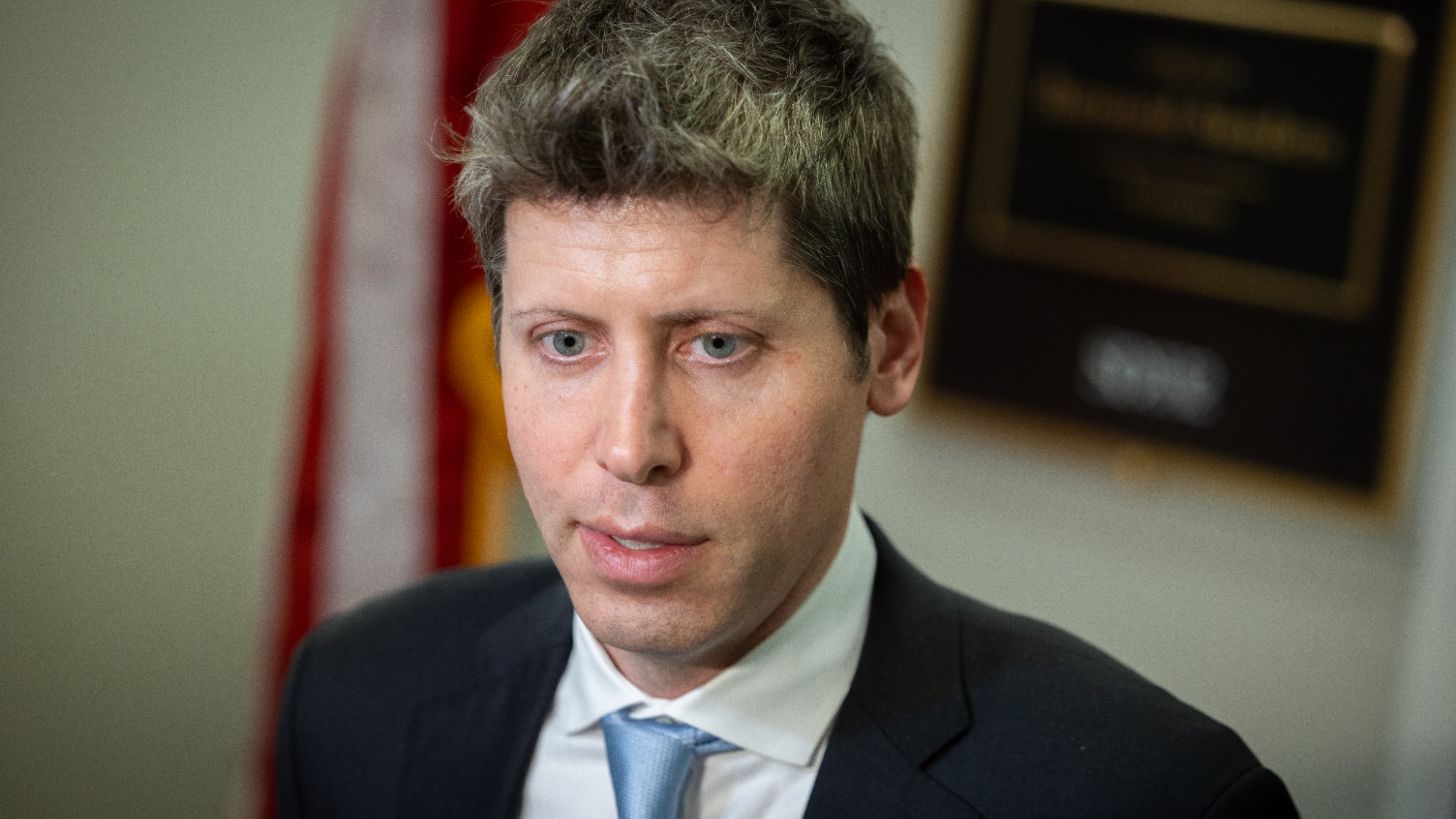
However, investor sentiment was dampened by leadership news. Reed Hastings, one of Netflix’s co-founders and its longtime former CEO, will leave the company’s board once his current term ends at the upcoming annual meeting in June. Hastings has played a central role in shaping Netflix from a DVD rental service into a global streaming powerhouse before stepping down as co-CEO in 2023.
In a statement to shareholders, Hastings reflected on his long tenure, emphasizing company culture and long-term vision as his key contributions. He said his focus had always been on building a system that could evolve beyond its founders and continue delivering value to members over time. Following his departure, Hastings said he plans to devote more time to philanthropic efforts and personal projects.
Netflix leadership sought to reassure investors that his exit is a planned transition rather than a reaction to recent corporate strategy discussions. Executives also addressed speculation about the company’s unsuccessful bid for Warner Bros. Discovery assets, with management noting that Hastings had actually been a strong internal supporter of the effort, which ultimately did not proceed.
On the business front, Netflix continues to lean into its advertising strategy as a key growth driver. The company reiterated expectations that advertising revenue will reach around $3 billion this year, effectively doubling compared to 2025. Its ad-supported tier has gained significant traction, accounting for more than 60% of sign-ups in markets where it is available.
Pricing adjustments introduced in March across U.S. subscription tiers have also held steady in terms of customer response, according to the company. The standard ad-free plan rose to $19.99 per month, reflecting Netflix’s ongoing push to balance subscriber growth with higher average revenue per user.
Free cash flow remained strong in the first quarter, rising to $5.09 billion compared to $2.66 billion a year earlier, helped in part by the one-time termination fee. Netflix now expects full-year free cash flow of about $12.5 billion, an increase from its earlier forecast of $11 billion.
Overall, while Netflix continues to show solid underlying growth and improving profitability, the combination of a softer near-term outlook and leadership transition weighed heavily on investor confidence, triggering the sharp pre-market selloff. YouTube Adds Option to Remove Shorts from Your Feed | Maya