

Asian Markets Slide for Third Straight Day as Oil Climbs Amid Expanding Iran Conflict
Asian stock markets extended losses for a third consecutive session on Wednesday, while oil prices continued to surge, as investors reacted to escalating tensions surrounding the U.S.–Israel conflict with Iran and mounting disruption to global energy supplies.
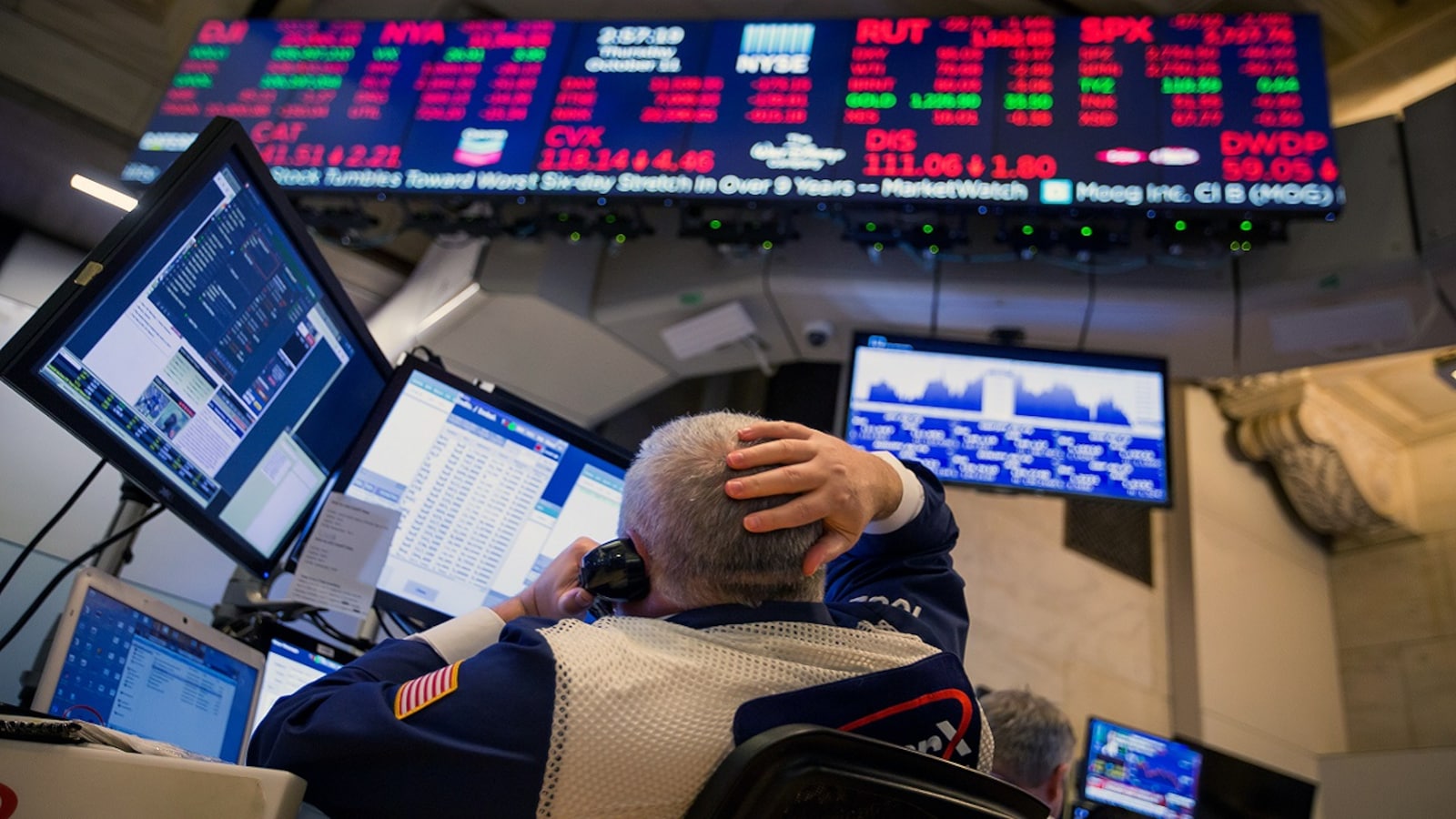
The sharpest losses were seen in South Korea, where the benchmark Kospi index plunged as much as 10% in early trading. The dramatic fall triggered a temporary trading halt under the exchange’s emergency circuit breaker system — a safeguard designed to curb panic-driven selloffs during periods of extreme volatility. Trading was suspended for 20 minutes before resuming, marking the first such halt since August 2024.
Elsewhere in the region, Japan’s Nikkei 225 dropped 3.6%, while Hong Kong’s Hang Seng Index slid 3%. In mainland China, the Shanghai Composite fell a more modest 1.25%, showing comparatively greater resilience than its regional peers.
Oil Prices Surge as Shipping Disrupted
Energy markets moved in the opposite direction. Brent crude oil rose roughly 2% in Asian trading, adding to sharp gains recorded earlier in the week. The rally has been fueled by growing fears of supply disruptions linked to instability in the Middle East.
At the heart of market anxiety is the Strait of Hormuz, one of the world’s most critical energy chokepoints. Roughly one-fifth of global oil and gas supplies typically pass through the narrow waterway between Iran and the United Arab Emirates. However, shipping activity has slowed dramatically following reported attacks on vessels and direct threats from Tehran warning that ships in the area could be targeted.
The near halt in maritime traffic has intensified concerns about a potential energy crunch, pushing crude prices sharply higher and unsettling financial markets worldwide.
U.S. Pledges Naval Protection
In response to mounting fears over energy supply disruptions, President Donald Trump said Tuesday that the U.S. Navy would step in to protect commercial vessels if necessary. He also announced that Washington would provide risk insurance support to shipping firms operating in the region, aiming to stabilize energy flows and reassure global markets.
The pledge is intended to prevent further paralysis in oil shipments and to counteract the supply squeeze triggered by the widening conflict.
Export-Heavy Economies Hit Hardest
Markets in Asia have been particularly vulnerable because many countries in the region rely heavily on imported energy from the Middle East. Any sustained disruption to oil flows through the Strait of Hormuz threatens higher fuel costs, weaker currencies, and pressure on corporate profits.
South Korea and Japan — both major exporters — are especially sensitive to geopolitical instability that could disrupt shipping routes or dampen global demand. The steep drop in the Kospi reflects what analysts describe as increasingly fragile investor sentiment.
“This kind of volatility shows how exposed the region is to external shocks,” said one regional strategist, noting that concerns extend beyond energy costs to broader trade risks.
The Kospi had already fallen more than 7% on Tuesday after reopening from a public holiday, signaling that investor confidence had deteriorated quickly as the conflict intensified.
China Shows Relative Stability
China’s markets, while also lower, have seen less severe declines compared with much of the region. Analysts suggest Beijing’s diversified energy supply — including substantial imports from Russia — may be cushioning the immediate impact of Middle East disruptions.
However, economists caution that if the conflict drags on, even relatively insulated markets could face mounting pressure from higher global energy prices and weakening trade flows.
Global Ripple Effects
The turbulence has not been confined to Asia. European markets also suffered steep losses, with major indices in London, Frankfurt, and Paris falling sharply in the previous session. In the United States, the S&P 500 initially dropped significantly before trimming losses to close nearly 1% lower.
The broader concern among investors is that the conflict, now in its fifth day, could evolve into a prolonged confrontation. Tehran has launched retaliatory strikes across parts of the Middle East, disrupting not only maritime traffic but also commercial aviation routes.
Rising Fears of Prolonged Instability
Financial markets are highly sensitive to uncertainty, and the prospect of a drawn-out conflict is weighing heavily on investor outlook. A sustained disruption to energy shipments would likely keep oil prices elevated, increase inflationary pressures, and complicate monetary policy decisions worldwide.
For now, markets remain in a defensive posture. Investors are closely monitoring military developments, diplomatic signals, and shipping conditions in the Gulf.
With oil surging and equities sliding, the message from global markets is clear: until tensions ease and energy routes stabilize, volatility is likely to remain a defining feature of the financial landscape.
Stewart Critiques Trump’s Iran War Announcement and White House Messaging | Maya

:max_bytes(150000):strip_icc()/INV_CokeErnsRecap_2Q23_GettyImages-1484916701-a0de2f544a0645778a4d7527ef823c43.jpg "Plastic in Your Soda? Coca-Cola Issues Urgent Recall!")