Day After US Sinks Iranian Frigate IRIS Dena, Another Iranian Ship Docks in India: A day after a dramatic naval strike in the Indian Ocean resulted in the sinking of an Iranian warship, another Iranian naval vessel has arrived in India after being granted permission to dock due to technical difficulties. The development has drawn international attention as tensions between the United States and Iran continue to escalate across multiple regions.
The Iranian naval vessel IRIS Lavan docked at the southern Indian port city of Kochi, following approval from the Indian government earlier this month. According to reports citing government officials, the ship had requested permission to enter the Indian port after experiencing technical problems during its voyage.
Officials said the docking request was submitted on February 28, and India approved the request on March 1, well before the situation escalated at sea. The ship eventually reached Kochi on Wednesday, where all 183 crew members were accommodated at Indian naval facilities while the vessel undergoes inspection and necessary technical checks.
The arrival of IRIS Lavan has gained attention primarily because it occurred just one day after the Iranian frigate IRIS Dena was sunk in international waters near Sri Lanka during a military strike carried out by the United States. The incident marks one of the most significant direct confrontations between the two countries’ naval forces in recent years.
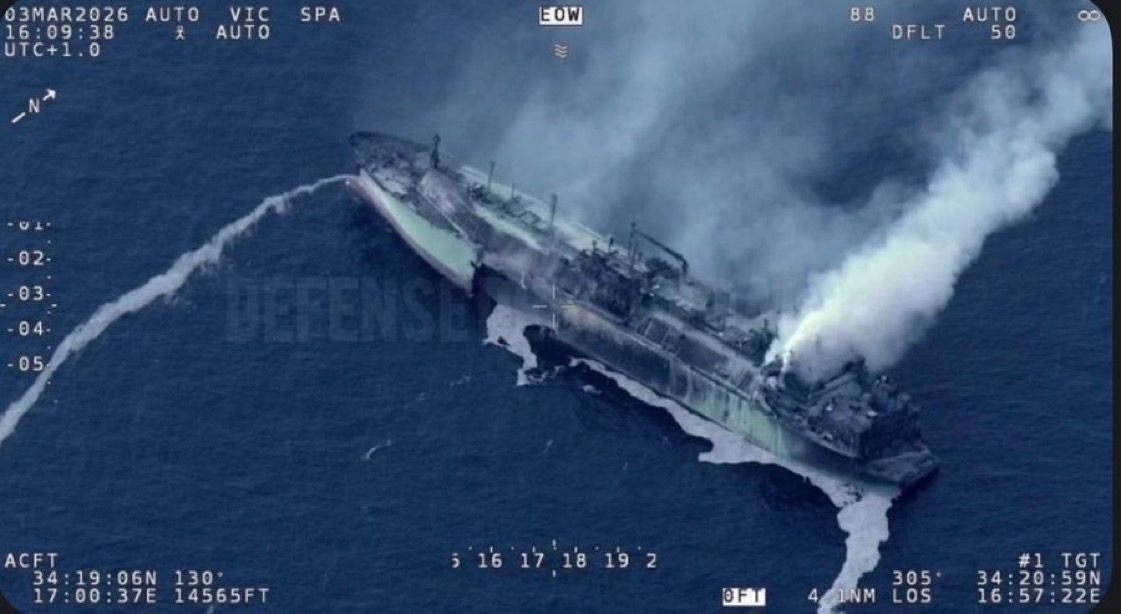
Reports indicate that IRIS Dena was struck by a torpedo launched from a United States submarine, causing a powerful explosion that ultimately sank the vessel. The frigate was carrying around 180 crew members at the time of the attack.
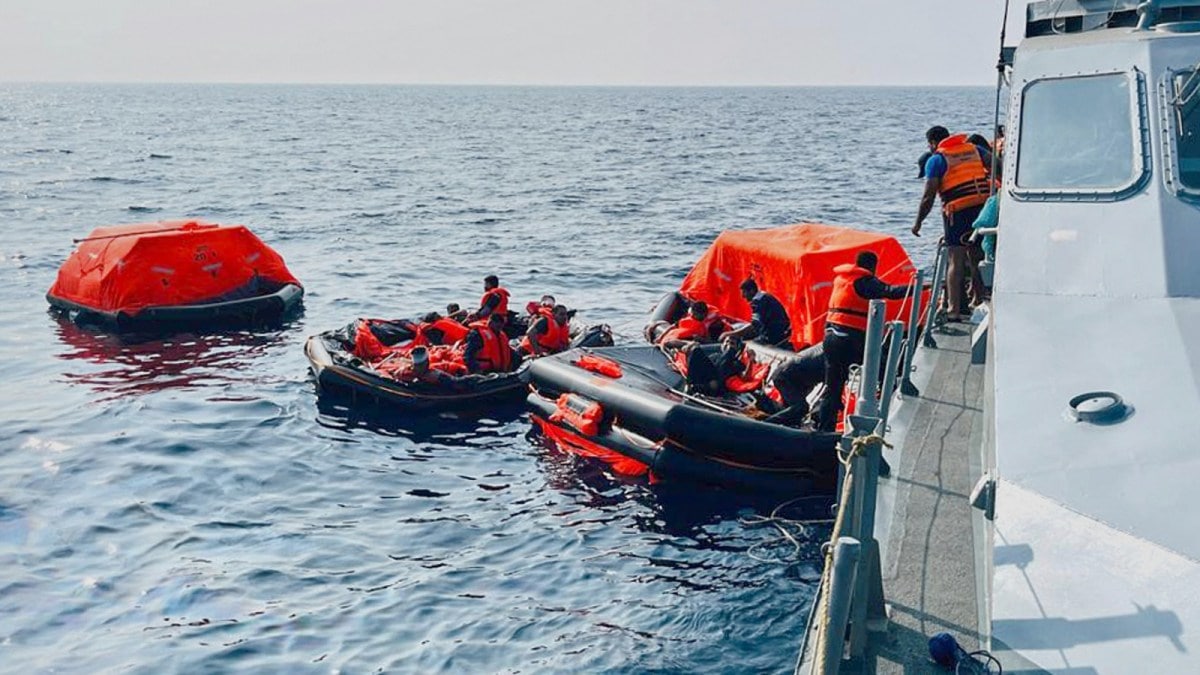
Initial casualty figures suggest that at least 87 sailors were killed, while dozens more were reported missing in the immediate aftermath of the explosion. Search and rescue operations were quickly launched in the area.
The Sri Lankan Navy played a crucial role in these operations and rescued 32 survivors from the waters, according to officials familiar with the response efforts. Authorities continue to assess the full extent of the damage and casualties from the attack.
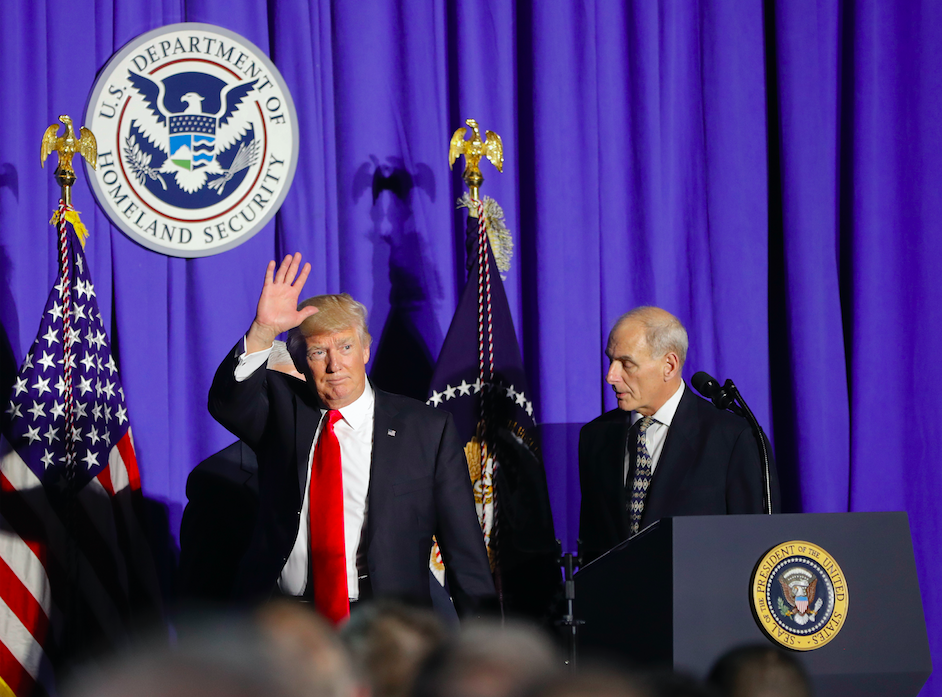
The United States later confirmed the strike, stating that the operation was part of broader military actions aimed at reducing the operational capabilities of the Iranian government’s military assets. Officials from Washington said the move was linked to ongoing regional security concerns involving Iran.
Hours after confirming the strike, U.S. authorities also released footage showing the moment a torpedo struck the Iranian warship, triggering a massive explosion and causing the vessel to sink.
The sinking of IRIS Dena has significantly heightened tensions between United States and Iran, which have been locked in a long-running geopolitical rivalry that spans issues ranging from nuclear development to regional military influence.
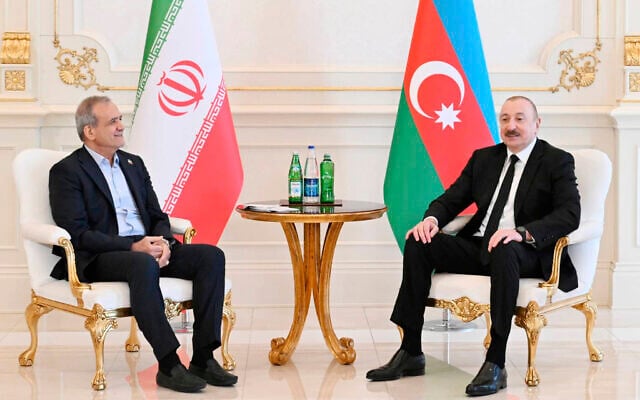
Iran reacted strongly to the attack. The country’s foreign minister, Seyed Abbas Araghchi, condemned the strike and warned that the United States would face consequences for the action.
Speaking after the incident, Araghchi noted that the warship had recently participated in naval engagements abroad and described the strike as an unprovoked attack on an Iranian vessel operating in international waters. He also pointed out that the vessel had previously been “a guest of the Indian Navy”, referencing its participation in a recent international naval event.
Both IRIS Dena and IRIS Lavan had earlier taken part in the International Fleet Review held in Visakhapatnam between February 15 and February 25. The maritime event brought together naval ships from multiple countries and was aimed at strengthening cooperation and demonstrating naval capabilities.
During the fleet review, the Iranian vessels were docked alongside ships from several other nations, highlighting the international nature of the event and the growing importance of maritime cooperation in the Indo-Pacific region.
Following the sinking of IRIS Dena, the Indian Navy confirmed that it had initiated search and rescue efforts after receiving information about the incident from Sri Lankan authorities. Indian officials stated that their response was focused on humanitarian assistance and maritime safety, rather than any involvement in the conflict itself.
So far, India has not issued an official political statement regarding the U.S. strike on the Iranian warship. However, the docking of IRIS Lavan in Kochi has been viewed by analysts primarily as a routine maritime assistance decision, given that the request was approved before the attack on IRIS Dena took place.
The situation unfolds against the backdrop of growing regional tensions involving the United States and Israel, both of which have intensified military actions aimed at limiting Iran’s strategic capabilities.
Israel and the United States have repeatedly expressed concerns that Iran may be moving closer to acquiring nuclear weapons. Iranian authorities, however, have consistently rejected those allegations, insisting that their nuclear programme is intended solely for peaceful civilian purposes such as energy production and scientific research.
The incident has also raised concerns among maritime security analysts, as it demonstrates how geopolitical tensions in the Middle East can quickly extend into the Indian Ocean region, an area that hosts some of the world’s most critical shipping routes.
For India, which maintains diplomatic relations with both Washington and Tehran, the situation presents a delicate strategic balance. As one of the region’s major naval powers, India has long sought to maintain neutrality while ensuring maritime stability and safety across the Indian Ocean.
With investigations, rescue operations, and diplomatic reactions still unfolding, the sinking of IRIS Dena and the arrival of IRIS Lavan in Kochi underline how rapidly evolving military developments can intersect with international maritime diplomacy.
Observers say the coming days may reveal whether the incident remains an isolated confrontation or becomes part of a broader escalation involving multiple global powers.
Oil Prices Hit Near Two-Year High as Iran Conflict Threatens Global Energy Supplies | Maya