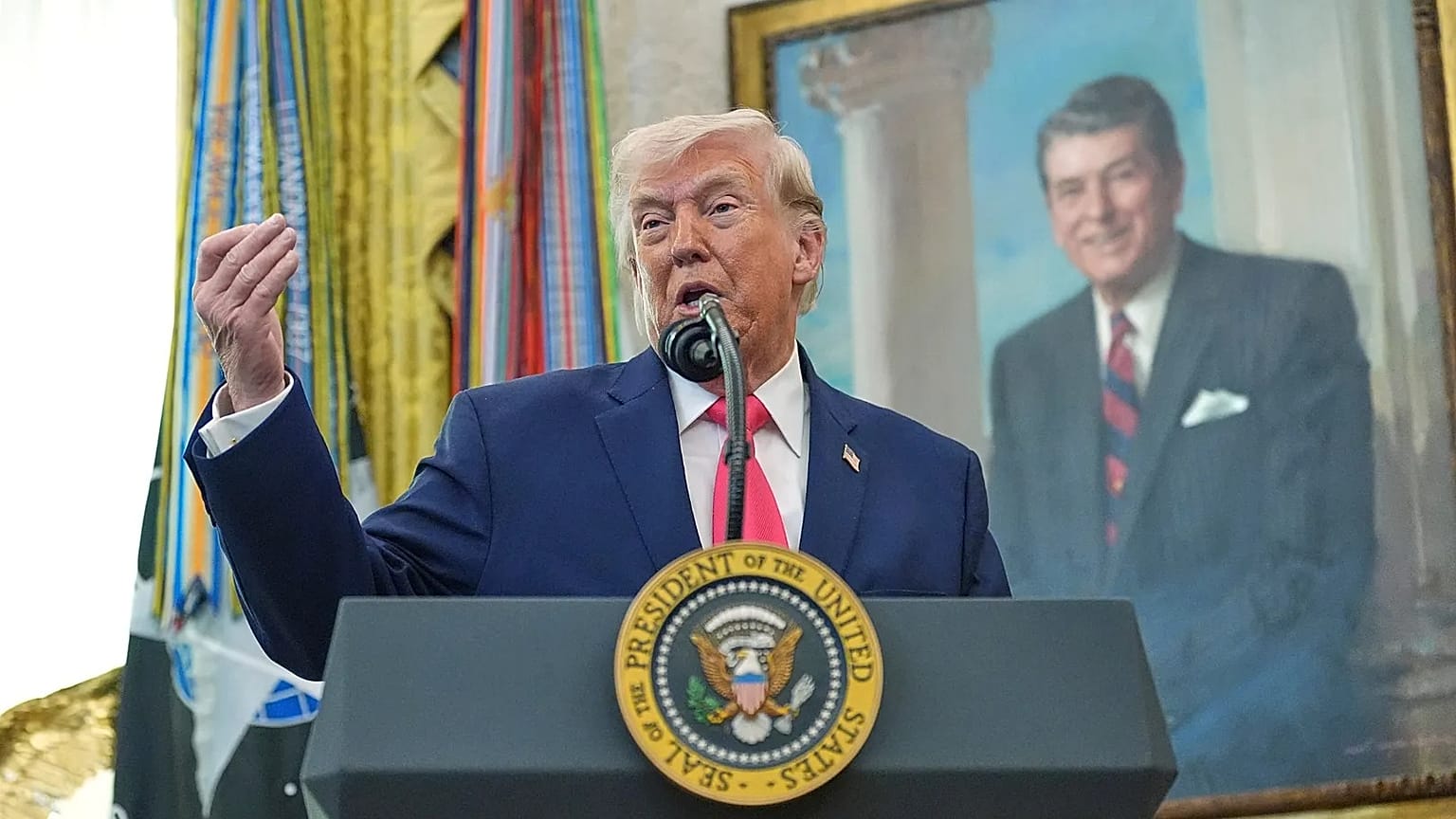
Speaking to reporters at the White House on Monday, Trump said negotiations were moving in a positive direction and indicated that Washington was currently maintaining the existing military position rather than escalating the conflict.
“Iran militarily is effectively over,” Trump said, expressing confidence in the progress made by American forces. He also pointed to what he described as “positive momentum” behind diplomatic efforts to end the war.
“We’re just keeping it the status quo,” the president explained, adding that the decision was largely being made at the request of countries neighbouring Iran.
Trump described the possibility of fresh American attacks as “highly unlikely” under the current circumstances. However, he made clear that the United States was not abandoning its military readiness.
“We’re locked and loaded” if circumstances change, he warned.
The comments suggest that Washington is attempting to maintain pressure on Tehran while exploring a diplomatic route out of the conflict. However, Iranian officials have previously questioned Trump’s declarations about the war and expressed doubts about the possibility of reaching an agreement on American terms.
Trump signals a shift towards de-escalation after midterm setback
Trump’s latest remarks come after a difficult midterm election performance for Republicans, with the Iran war emerging as one of the major political issues facing the administration.
Several senior Republicans, including Vice-President JD Vance, have pointed to the conflict as a factor behind the party’s electoral difficulties. The war’s economic consequences, particularly rising energy costs and uncertainty across international markets, have added to domestic pressure on the White House.
Trump has repeatedly suggested that American military objectives have largely been achieved. However, his latest comments indicate a greater willingness to avoid further escalation while diplomatic discussions continue.
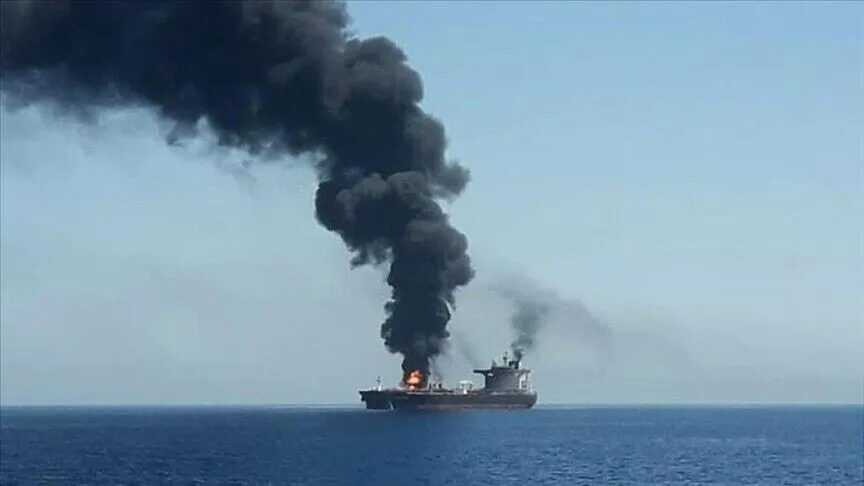
Before the midterm elections, the president announced what he described as limited American strikes against an Iranian island in the strategically important Strait of Hormuz. The waterway is one of the world’s most important energy shipping routes, making any disruption a major concern for global oil and gas markets.
In his Sunday interview with CBS’s 60 Minutes, Trump said he currently saw “any reason” to escalate the conflict, reinforcing the impression that the administration was looking to maintain the existing situation rather than launch another round of attacks.
However, the president stopped short of formally declaring the war over.
When questioned about why Washington was not announcing an official end to hostilities, Trump pointed to the continuing threat facing American allies in the Gulf. He suggested that countries in the region could still face Iranian attacks, meaning the United States could not simply declare the conflict finished.
Despite Trump’s claims of military success, the absence of a formal peace agreement means the possibility of renewed confrontation remains.
Qatar emerges as an important player in peace efforts
Diplomatic efforts to end the conflict have continued through regional mediators, with Qatar playing an increasingly visible role in discussions between Washington and Tehran.
Trump hosted Qatari Prime Minister Sheikh Mohammed bin Abdulrahman Al Thani at the White House on Monday. Following their meeting in the Oval Office, the US president described the discussion as “excellent” and said the two sides had discussed negotiations aimed at ending the war.
The Qatari leader also confirmed the meeting in a post on X, describing his discussions with Trump and Vice-President JD Vance as positive.
He said the talks focused on reaching an agreement and restoring peace across the region.
Qatar has been involved in diplomatic efforts since the conflict began following joint American and Israeli strikes against Iran in February. Negotiations between Washington and Tehran have largely taken place indirectly through mediators rather than through direct, sustained discussions between the two governments.
Saudi Arabia, Qatar and the United Arab Emirates have all faced Iranian strikes during the conflict, while threats to regional security have disrupted air travel and increased uncertainty across the Gulf.
These countries have a significant interest in preventing further escalation, particularly because prolonged fighting threatens energy infrastructure, international shipping and regional economic stability.
For Washington, securing support from its Gulf partners could be important in building a diplomatic framework that addresses Iranian security threats while preventing another round of military confrontation.
Nevertheless, the central challenge remains convincing Tehran that negotiations can produce an agreement acceptable to both sides.
Hegseth impeachment battle adds pressure on Trump administration
While Trump is signalling progress towards ending the Iran conflict, the political consequences of the war are continuing to create problems for his administration in Washington.
Republican Congressman Thomas Massie launched an impeachment effort against Defense Secretary Pete Hegseth on Monday, introducing eight articles accusing the Pentagon chief of constitutional and legal violations connected to American military operations.
The allegations include claims that Hegseth violated congressional war powers restrictions, failed to uphold protections for civilians and oversaw unlawful military actions.
Massie’s move has intensified scrutiny of the defence secretary’s role in the Iran campaign, particularly as Republicans face questions about the financial and political costs of the conflict.
Trump has firmly rejected the effort and publicly defended Hegseth, who has also dismissed the impeachment threat as a “sham.”
The president’s support reflects the importance of Hegseth to the administration’s defence of its Iran policy. As one of the most vocal advocates of the military campaign, his position has become closely associated with Trump’s claims that American forces have achieved their objectives.
The impeachment effort is unlikely to succeed immediately while Republicans retain control of Congress until January. However, Democrats have indicated that they are prepared to pursue impeachment once the new congressional session begins, when they expect to have control of both chambers.
The political confrontation could therefore continue even if diplomatic negotiations make progress.
Iran war remains unresolved despite Trump’s victory claims
Trump’s latest statements have raised expectations that the conflict could move towards a negotiated settlement. His description of Iran as effectively defeated militarily, combined with his comments about the likelihood of further attacks, marks another indication that Washington is considering a prolonged pause in military operations.
However, a reduction in American strikes is not the same as a formal end to the war. Iran’s position, the security of Gulf countries and the future of regional shipping routes remain important obstacles to a comprehensive agreement.
The White House has yet to announce a final settlement, while Tehran has previously challenged Trump’s claims about diplomatic progress.
For now, Washington appears to be maintaining military pressure while giving regional mediators more room to pursue negotiations. Whether that approach produces a lasting agreement will depend on the willingness of both sides to make concessions and address the unresolved security issues that triggered the conflict.
Trump may be declaring Iran’s military defeat, but the diplomatic battle over how the war ends is far from settled.