Iran War Day 22: Global War Warning Signs? As the conflict enters Day 22, it is no longer just a regional confrontation. The scale, targets, and messaging behind recent actions suggest a shift toward a broader, more dangerous phase—one that is raising concerns about global escalation.
The Turning Point: Long-Range Missile Signal
One of the most significant developments is Iran’s reported use of a long-range missile capable of reaching around 4,000 kilometers. This capability was highlighted when missiles were launched toward the US–UK military facility on Diego Garcia, a remote but highly strategic base in the Indian Ocean.
Although the missiles did not successfully hit the target—due to failure and interception—the implications are substantial. This was not about immediate damage; it was about demonstrating reach.
For years, Iran’s publicly acknowledged missile range hovered around 2,000 kilometers. Doubling that operational reach changes the strategic equation. It signals that Iran can potentially strike targets far beyond its immediate neighborhood.
Why This Changes the Global Equation
Europe Now Falls Within Theoretical Range
With extended missile capability, parts of Europe could now be within striking distance. Even if such a move is unlikely in the short term, the possibility alone forces European defense planners to reconsider their assumptions.
Distant Military Assets Are Vulnerable
Diego Garcia is not a frontline base—it is a deep strategic asset used for long-range operations. Targeting it, even unsuccessfully, suggests that geographical distance is no longer a reliable layer of protection.
The Conflict Is Expanding in Scope
What began primarily as a confrontation involving Iran, Israel, and US forces in the Middle East is now showing signs of widening. The range of targets and the scale of operations indicate that the war’s boundaries are becoming less defined.
Battlefield Developments on Day 22
Military activity continues across multiple fronts:
- Missile and drone exchanges remain frequent across the region
- Israeli and US strikes have targeted sites inside Iran, including sensitive infrastructure linked to nuclear development
- Energy facilities and export hubs have been hit in earlier phases, disrupting supply chains
The pattern is clear: the war is no longer confined to direct military engagements. It now includes economic and strategic targets that affect global systems.
The Economic Front: A Silent Escalation
Beyond the battlefield, the conflict is exerting pressure on the global economy.
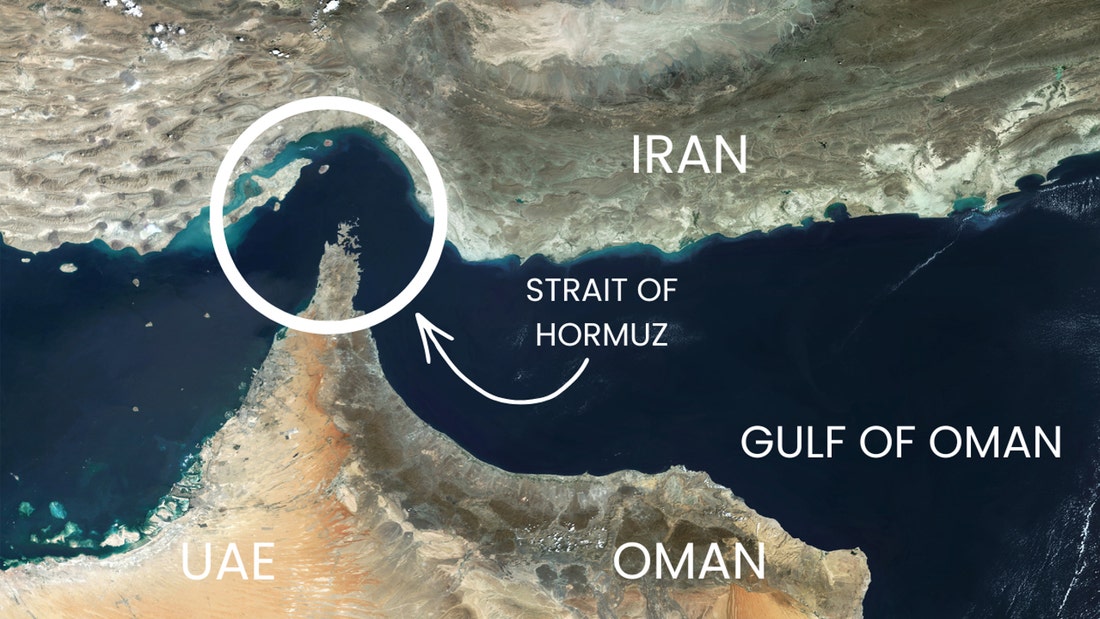
Energy routes are under strain, especially around the Strait of Hormuz, through which a significant portion of the world’s oil supply passes. Any disruption here has immediate global consequences.
Rising fuel costs, supply uncertainty, and increased transportation expenses are already being felt in countries far from the conflict zone, including India. This is how regional wars begin to influence everyday life worldwide.
Strategic Interpretation: What Iran Is Signaling
Iran’s recent actions appear calculated rather than impulsive. Several strategic messages can be inferred:
Expanded Deterrence
By demonstrating long-range capability, Iran is signaling that it can respond beyond its immediate region if pressure increases.
Escalation Warning
Targeting a distant base sends a message that the conflict could spread geographically if provoked further.
Resilience Under Pressure
Despite sustained attacks, Iran appears to retain operational capability, particularly in missile technology, suggesting that its military infrastructure remains functional.
Are These Signs of a Larger War?
At this stage, a full-scale global war is not inevitable. However, the warning indicators are becoming more visible.
Key risk factors include:
- Increasing missile range and frequency of use
- Direct or indirect confrontation with Western military assets
- Involvement of multiple countries across different regions
- Ongoing disruption to global energy systems
Potential triggers for a wider conflict could include:
- Direct clashes between Iran and NATO forces
- Strikes on European territory
- Severe disruption or closure of critical maritime routes
- Any shift toward nuclear escalation
Final Assessment
Day 22 may be seen as a critical moment in this conflict. Not because of immediate destruction, but because of what it revealed.
The attempted long-range strike demonstrated that the war’s reach is expanding. It showed that strategic depth is no longer guaranteed. And most importantly, it introduced a level of uncertainty that extends far beyond the Middle East.
The missiles may not have hit their target, but they have altered perceptions of risk. And in conflicts like this, perception often shapes what happens next.