The Hidden Oil War: How Iran Is Shaking the Global Economy- At first, it doesn’t look like a global crisis.
News headlines show rising tension, military alerts, and diplomatic warnings centered around Iran. For many, it feels like just another regional conflict—something distant, something contained.
But beneath the surface, a far more powerful battle is unfolding. Not one fought only with missiles or troops, but with supply chains, energy routes, and economic pressure.
This is the hidden oil war—and it is already reshaping the global economy.
The Silent Pressure Point of the World
To understand why this conflict matters so much, you have to look at geography.
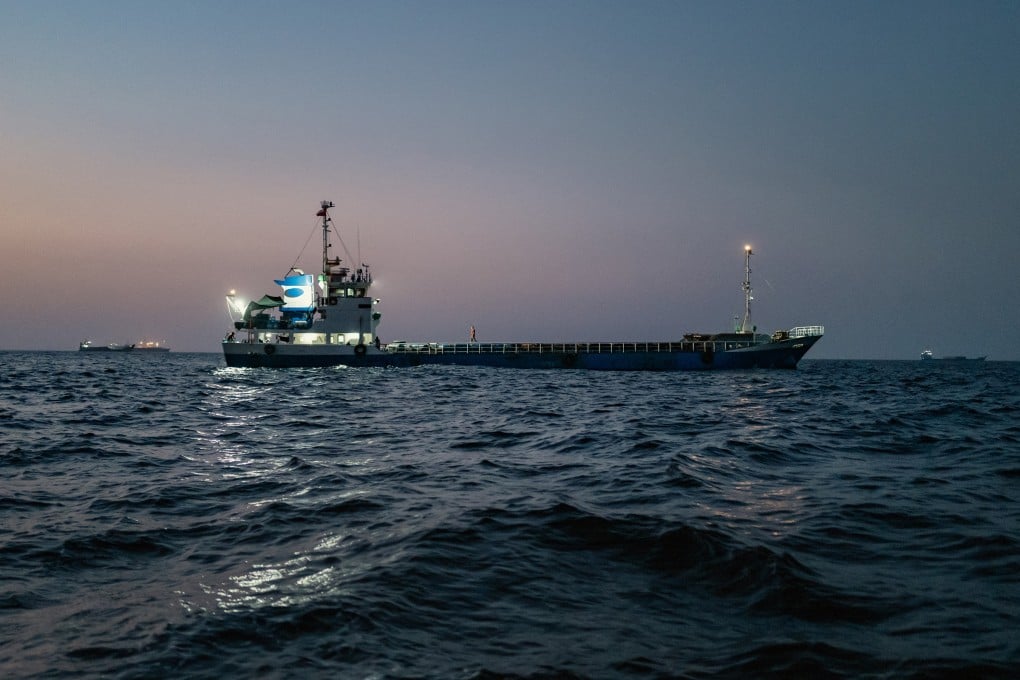
There is a narrow passage of water in the Middle East that most people have never seen, yet it controls a massive portion of the world’s energy supply. This is where a significant share of global oil shipments passes every single day.
When tensions rise around Iran, this critical route instantly becomes unstable.
Even the possibility of disruption sends shockwaves through global markets.
Ships hesitate. Insurance costs surge. Traders panic.
And in a system as tightly connected as today’s global economy, panic alone is enough to push prices upward.
When Fear Becomes Expensive
Oil markets do not wait for actual shortages.
They react to risk.
The moment there is uncertainty about supply, prices begin to climb. Traders start pricing in worst-case scenarios—blocked routes, damaged infrastructure, or prolonged conflict.
That is exactly what is happening now.
Prices are rising not just because of what has happened, but because of what could happen.
And that makes this situation particularly dangerous.
Because once prices go up, they rarely come down quickly.
Why Oil Still Controls Everything
It is easy to underestimate oil in a world that talks about renewable energy and electric vehicles.
But the reality is simple: oil is still the backbone of the global economy.
It powers transportation—cars, trucks, ships, and airplanes.
It fuels industries—factories, machinery, and heavy production.
It supports agriculture—fertilizers, irrigation, and food distribution.
When oil becomes expensive, the cost of almost everything increases.
Not just fuel.
Food prices rise because farming becomes more expensive.
Goods become costlier because transportation costs go up.
Even basic services feel the pressure.
This is how a distant conflict slowly enters everyday life.
The Countries That Feel It First
While the impact is global, some nations feel the shock much faster and more intensely.
Countries that depend heavily on imported oil are the most vulnerable.
India is a prime example. It relies on foreign oil for the majority of its energy needs. When global prices rise, the effect is immediate—higher fuel costs, rising inflation, and pressure on the economy.
Across Asia, similar patterns emerge.
China, the world’s largest oil importer, faces rising production costs that can ripple through global trade.
Japan and South Korea, with limited domestic energy resources, experience direct impacts on their industries and households.
For these countries, oil is not just a commodity—it is a lifeline.
Europe’s Growing Anxiety
Europe is no stranger to energy shocks.
In recent years, the region has already faced major disruptions in its energy supply. Now, rising tensions involving Iran are adding another layer of uncertainty.
Higher oil prices translate into increased costs for heating, transportation, and manufacturing.
Industries slow down. Inflation rises. Governments are forced to make difficult economic decisions.
What makes the situation more serious is timing. Many economies are still recovering, and another energy shock could push them into deeper instability.
The Illusion of Protection
Some might assume that oil-producing countries are safe from this crisis.
But that is not entirely true.
Even nations that produce their own oil are affected because oil prices are set globally. When international prices rise, domestic markets follow.
The United States is a good example. Despite being a major oil producer, it still experiences rising fuel prices during global disruptions.
This is because the oil market is deeply interconnected.
No country operates in isolation.
The Domino Effect on the Global Economy
What starts as a regional conflict quickly turns into a chain reaction.
First, supply fears push oil prices higher.
Then transportation costs increase.
Businesses raise prices to cover expenses.
Consumers spend more on basic necessities.
This leads to inflation.
And when inflation rises too fast, economic growth slows down.
Companies cut back. Investments shrink. Job markets weaken.
In extreme cases, this chain reaction can push economies toward recession.
All of this can begin with instability in one critical region.
A War Without a Frontline
What makes this situation unique is that it does not have a clear battlefield.
There are no defined borders to contain its impact.
The conflict spreads through financial markets, trade routes, and energy systems.
It affects people who are thousands of kilometers away from the actual tension.
Someone filling fuel in India, a factory owner in Germany, or a household in Japan—all are connected to this hidden war.
And most of them may not even realize it.
The Power of Uncertainty
Perhaps the most dangerous element in all of this is uncertainty.
Markets can handle bad news.
What they struggle with is unpredictability.
Will supply routes remain open?
Will tensions escalate further?
Will other countries get involved?
No one has clear answers.
And as long as uncertainty remains, prices stay volatile.
This creates an unstable environment where economies cannot plan effectively.
A Fragile Global System
The current situation reveals a deeper truth about the modern world.
The global economy is highly efficient—but also highly fragile.
It depends on smooth supply chains, stable routes, and predictable conditions.
When even one part of this system is disturbed, the effects spread quickly.
A single disruption can impact multiple industries, countries, and markets at once.
This is exactly what we are witnessing now.
Conclusion: The Cost You Cannot Ignore
This is not just a story about geopolitics.
It is a story about everyday life.
The hidden oil war does not stay confined to one region. It travels through prices, markets, and economies until it reaches individuals.
It shows up when you pay more for fuel.
When groceries become expensive.
When businesses struggle to keep costs under control.
And all of this can begin far away, in a place most people will never visit.
That is the true nature of this crisis.
It is not loud, but it is powerful.
Not always visible, but deeply felt.
The hidden oil war is already underway.
And its impact is only beginning to unfold.