The Global Energy Crisis and the Scientific Path Beyond Solar and Wind- The ongoing conflict involving Iran has triggered a new global energy crisis. Oil prices have surged, gas supplies have tightened, and countries across Europe, Asia, and Africa are facing increasing energy insecurity. The crisis is particularly severe because Iran sits in one of the world’s most critical energy corridors. Any disruption in this region directly affects oil shipments, liquefied natural gas supply, and global fuel prices.
This conflict has once again exposed a major vulnerability: the world’s dependence on fossil fuels remains dangerously high. While solar and wind energy have grown rapidly over the last decade, they cannot fully replace fossil fuels yet because they are intermittent. Solar power only works during daylight hours, and wind energy depends on unpredictable weather conditions. Batteries can store some energy, but large-scale storage remains expensive and limited.
As a result, scientists and policymakers are now looking beyond solar and wind. Several emerging and underutilized energy sources could provide stable, clean, and reliable power. These include hydrothermal energy, geological hydrogen, nuclear power, and advanced hydropower with thermal storage. These technologies are gaining attention because they offer baseload power — energy that runs continuously regardless of weather conditions.
This article explores these solutions in depth and explains why they may become the backbone of the next global energy system.
Hydrothermal Energy: Tapping the Earth’s Natural Heat
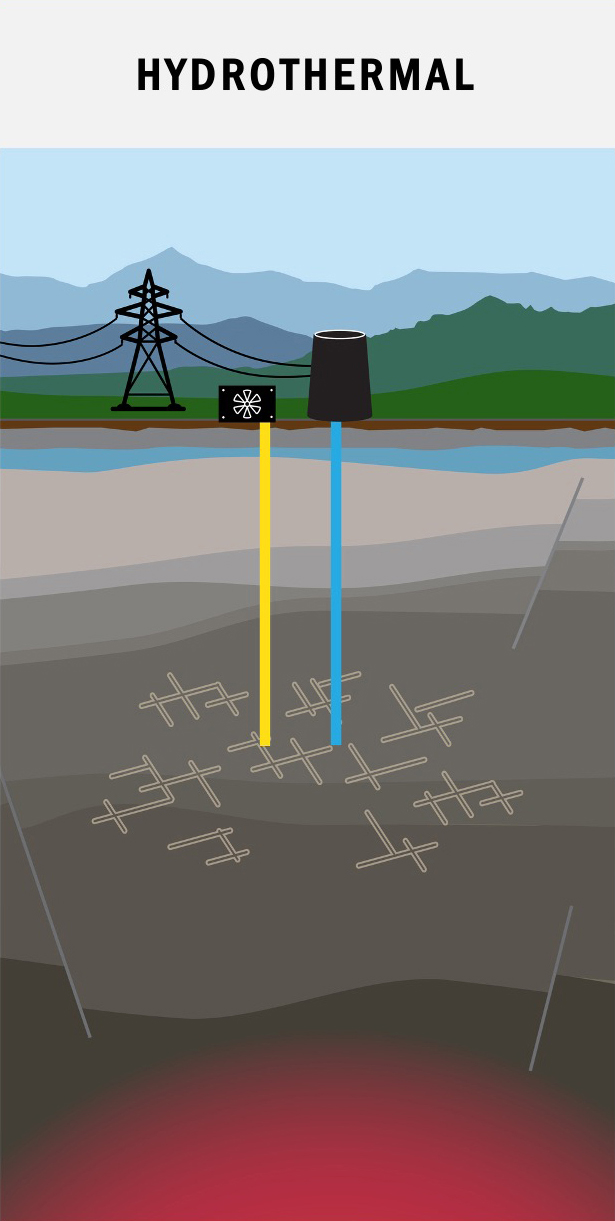
Hydrothermal energy, often referred to as geothermal energy, is one of the most powerful yet underused energy sources. It comes from heat generated inside the Earth. Beneath the Earth’s surface, there are reservoirs of hot water and steam formed by natural geological processes. These reservoirs can be tapped by drilling wells and bringing steam to the surface, which then drives turbines to generate electricity.
Hydrothermal energy offers several advantages. First, it provides continuous energy. Unlike solar or wind power, geothermal plants operate 24 hours a day. This makes them ideal for powering cities, industries, and infrastructure. Second, hydrothermal energy produces minimal emissions, making it environmentally friendly. Third, geothermal plants require less land compared to solar farms or wind turbines.
Countries with strong geothermal resources have already demonstrated its potential. Iceland is one of the best examples. Nearly all of its electricity and heating needs are supported by geothermal energy. Indonesia and the Philippines also rely heavily on geothermal energy due to their volcanic geology. Kenya has become a leader in geothermal energy in Africa, using underground heat to power large portions of its grid.
Scientists are also working on enhanced geothermal systems. These involve drilling deeper into the Earth’s crust to access super-hot rock layers. These layers contain enormous amounts of heat energy that could theoretically power entire countries. If this technology becomes commercially viable, geothermal energy could become one of the largest clean energy sources on Earth.
The biggest advantage of hydrothermal energy during a global crisis is reliability. When fuel imports are disrupted, geothermal plants can continue operating without external supply chains. This makes them ideal for energy independence.
Geological Hydrogen: The Hidden Fuel Beneath Our Feet
One of the most exciting developments in clean energy is geological hydrogen, also known as natural hydrogen or white hydrogen. Unlike hydrogen produced from fossil fuels or renewable electricity, geological hydrogen occurs naturally underground. It forms when water reacts with certain types of rocks, particularly iron-rich formations, under high pressure and temperature.
This process occurs naturally in the Earth’s crust and produces hydrogen gas that can accumulate in underground reservoirs. Scientists believe that these reservoirs could be tapped in the same way as natural gas fields.
The potential of geological hydrogen is enormous. Hydrogen is already considered a clean fuel because it produces only water when burned. However, traditional hydrogen production methods are expensive and energy-intensive. Geological hydrogen eliminates these problems because it is naturally produced and may be extracted directly.
Several countries have begun exploring geological hydrogen reserves. France recently discovered significant natural hydrogen deposits. Australia, the United States, and Brazil are also investigating similar reserves. One of the most interesting examples comes from Mali, where a natural hydrogen well has been providing electricity to a village for years.
Geological hydrogen could play a major role in powering heavy industries such as steel production, shipping, and aviation. These sectors are difficult to electrify and require high-energy fuels. Hydrogen offers a clean alternative.
Another advantage of geological hydrogen is storage. Hydrogen can be stored for long periods, making it ideal for balancing energy supply and demand. During times of surplus energy production, hydrogen can be stored and used later during shortages.
If geological hydrogen becomes commercially viable, it could revolutionize global energy markets and reduce reliance on fossil fuels.
Nuclear Energy: The Return of Reliable Clean Power
Nuclear energy is once again gaining attention as countries seek stable and clean power sources. Nuclear power plants generate electricity through nuclear fission, a process that releases enormous amounts of energy from small amounts of fuel.
One of the main advantages of nuclear energy is reliability. Nuclear plants operate continuously and provide consistent electricity. This makes them ideal for replacing fossil fuel power plants. Nuclear energy also produces very low carbon emissions, making it a key tool in fighting climate change.
Another major advantage is energy density. A small amount of nuclear fuel can produce massive amounts of electricity. This reduces the need for fuel transportation and storage, which becomes particularly important during geopolitical conflicts.
The next generation of nuclear technology focuses on small modular reactors, or SMRs. These reactors are smaller, safer, and faster to build compared to traditional nuclear plants. They are designed with advanced safety features that reduce the risk of accidents. Many SMRs use passive cooling systems that work without human intervention.
Small modular reactors also offer flexibility. They can be built in remote areas, industrial zones, or even offshore platforms. This allows countries to deploy nuclear power where it is needed most.
Several countries are investing heavily in nuclear expansion. China and India are building multiple reactors to meet growing energy demand. European countries are reconsidering nuclear power after energy shortages. Even countries that previously phased out nuclear energy are now revisiting their decisions.
In the context of global energy insecurity, nuclear power provides a stable foundation for electricity supply.
Advanced Hydropower and Pumped Storage
Hydropower has been used for decades, but modern technology is transforming it into a more flexible and powerful energy solution. One of the most promising developments is pumped hydro storage. This system works by pumping water to a higher elevation during periods of low electricity demand. When demand increases, the water is released downhill to generate electricity.
Pumped hydro acts like a giant battery. It can store large amounts of energy for long periods. This makes it ideal for balancing renewable energy sources like solar and wind.
Another emerging technology is underground pumped hydro, which uses abandoned mines or underground reservoirs. This reduces environmental impact and expands deployment options.
Hydropower also offers durability. Many hydropower plants operate for decades with minimal maintenance. This makes them cost-effective in the long term.
Countries like China, India, and Australia are investing heavily in pumped hydro systems to stabilize their energy grids.
Thermal Energy Storage: Storing Heat Instead of Electricity
Thermal energy storage is another innovative solution gaining attention. Instead of storing electricity, thermal systems store heat. This heat can later be used to generate electricity or provide industrial heating.
Examples of thermal storage include molten salt systems, sand batteries, and underground heat storage. These systems store energy during periods of surplus and release it during shortages.
Thermal storage is particularly useful for industrial sectors that require high temperatures. Industries such as steel, cement, and chemical production can benefit from stored heat.
Another advantage of thermal storage is cost. Heat storage systems are often cheaper than battery storage. They also have longer lifespans.
Why These Technologies Matter Now
The Iran conflict has demonstrated how vulnerable global energy systems are. Oil routes can be blocked, pipelines can be disrupted, and fuel prices can surge overnight. Countries dependent on imports face immediate shortages.
Diversifying energy sources is no longer just an environmental goal — it is a strategic necessity. Countries that invest in reliable energy technologies will gain economic and geopolitical advantages.
The Future Energy Mix
The future energy system will likely combine multiple technologies:
Solar and wind will provide low-cost renewable energy.
Hydrothermal energy will provide baseload power.
Geological hydrogen will support heavy industries.
Nuclear energy will ensure grid stability.
Hydropower and thermal storage will balance supply and demand.
Together, these technologies create a resilient and sustainable energy system.
The Global Turning Point
The Iran war may become a turning point in global energy history. Just as past oil crises accelerated energy innovation, this crisis could drive investment in new technologies.
The countries that act now will shape the future of energy. Those that delay may face long-term energy insecurity.
The world is entering a new energy era — one driven by science, innovation, and resilience.