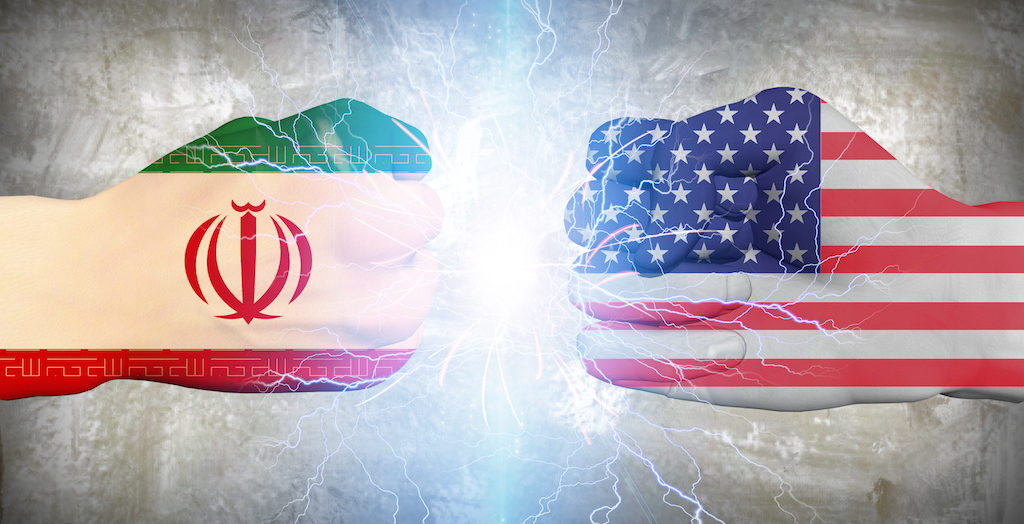
Everyone Blames Donald Trump — But What About Iran? As the conflict moves into its second month, much of the global debate has focused on blaming Donald Trump and the United States for escalating tensions. Critics argue that strong rhetoric, military pressure, and aggressive policies pushed the region toward war.
However, a growing number of analysts are now asking a different question: What about Iran’s role in extending the conflict?
From refusing negotiations to launching missiles across the Gulf region, Iran’s actions are increasingly being viewed as a major factor in prolonging the war — even as the odds appear to be stacked against it.
Iran’s Reluctance to Negotiate
One of the clearest reasons the conflict continues is the absence of meaningful negotiations. While there have been reports of indirect communication and diplomatic channels, Iran has repeatedly indicated that it is not ready for formal negotiations under current conditions.
Iranian leadership has emphasized that any talks must meet their demands first. These demands reportedly include security guarantees, lifting of sanctions, and conditions related to military operations. Until those demands are met, Iran has signaled it is prepared to continue fighting.
This stance has made diplomatic progress difficult. In most wars, negotiations begin when both sides seek to reduce losses. However, Iran’s leadership appears to believe that continuing pressure through missile strikes and regional activity will strengthen its position before entering talks.
This strategy, however, also risks prolonging the conflict, especially when both sides maintain hardline positions.
Missile Attacks Across the Gulf Region
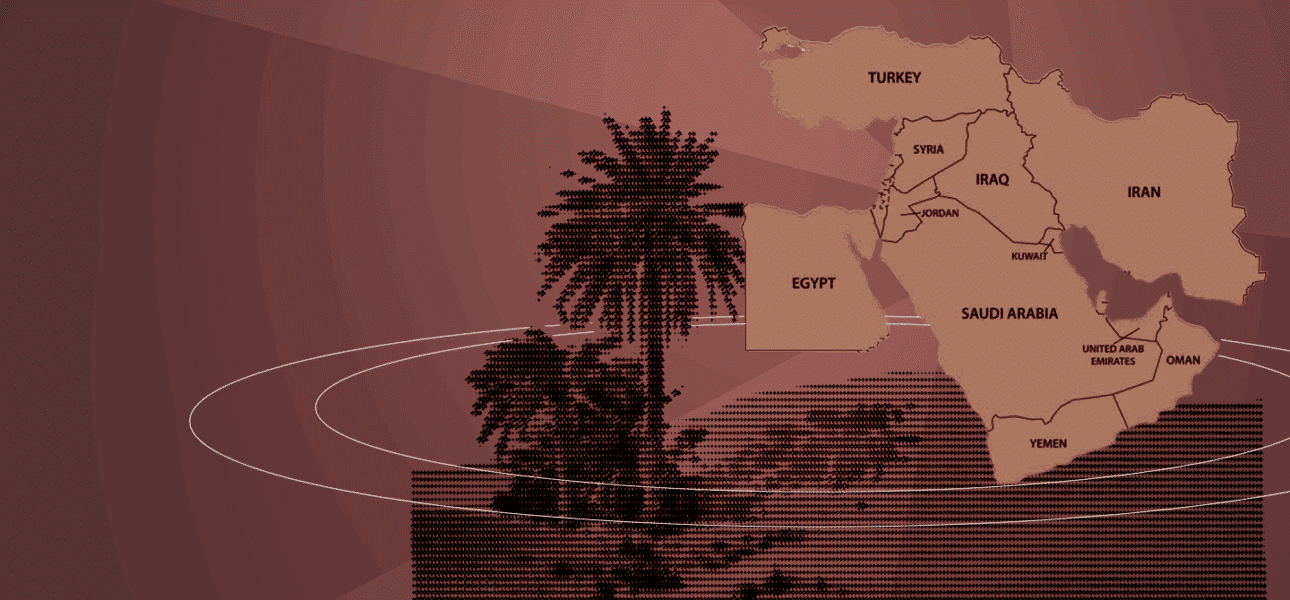
Another factor fueling the conflict is Iran’s continued missile and drone activity across the Persian Gulf region. Over recent weeks, Iran has launched or threatened strikes across multiple areas, raising fears of a broader regional confrontation.
Countries affected or placed on alert include:
Saudi Arabia
United Arab Emirates
Bahrain
Kuwait
Qatar
Oman
Many of these locations host strategic energy infrastructure, military installations, and shipping routes. Even when missiles are intercepted, the impact is significant. Air defense systems are activated, shipping routes become tense, and regional governments move to high alert.
This pattern suggests Iran is not limiting the conflict to a single front. Instead, it appears to be expanding pressure across multiple regions, making the war more complex and difficult to resolve.
Missile Incident Near Turkey Raises Alarm
The situation became even more serious after a missile launched from Iran approached Turkish airspace. Air defense systems operated by NATO intercepted the missile before it caused damage.
This marked another moment where the conflict moved dangerously close to Europe. Turkey is a NATO member, and threats to its territory raise concerns about broader involvement from the alliance.
Repeated missile incidents near NATO territory increase the risk of miscalculation. Even if missiles are not intentionally aimed at NATO countries, their presence near alliance borders raises tensions significantly.
This development highlights how the conflict is gradually spreading beyond the Middle East.
Fighting Despite the Odds
Iran’s continued missile launches are particularly notable given the challenges it currently faces. Iran is dealing with:
Military pressure
Economic sanctions
Diplomatic isolation
Regional opposition
Despite these challenges, Iran has continued missile and drone operations. This suggests Tehran is pursuing a long-term strategy, rather than seeking a quick resolution.
Some analysts believe Iran is attempting to outlast opponents by stretching the conflict over time. This type of strategy has been seen in other prolonged conflicts, where endurance becomes more important than rapid victories.
However, such strategies often increase risks. The longer the conflict continues, the greater the chance of escalation, economic disruption, and broader regional instability.
Why Trump Still Gets Most of the Blame
Even as Iran’s actions draw attention, Trump continues to receive much of the criticism. Critics argue that strong rhetoric, deadlines, and military pressure contributed to the escalation.
Supporters of Trump, however, argue that Iran’s responses — including missile launches and refusal to negotiate — have played a significant role in extending the war.
This disagreement highlights how complex modern conflicts can be. Rarely does a war begin or continue because of a single decision. Instead, conflicts often evolve through cycles of action and reaction.
In this case:
U.S. pressure increased tensions
Iran responded with missile activity
Continued strikes led to retaliation
Negotiations failed to materialize
This cycle has helped extend the conflict beyond initial expectations.
Growing Regional Concerns
As missile activity spreads across the Gulf region, concerns are growing about energy security and global trade. The Gulf region contains some of the world’s most important oil and gas routes. Any instability in this area affects global markets.
Countries in the region are now strengthening air defenses and increasing military readiness. These measures reflect growing concerns that the conflict may expand further.
The longer the war continues, the higher the risks become.
A War With No Quick End
The current situation suggests that neither side is ready to step back. Iran continues missile activity and maintains a firm negotiating stance, while the United States and its allies continue applying pressure.
This creates a dangerous stalemate. Without negotiations, the conflict may continue to expand gradually, drawing in more countries and increasing global risks.
Blaming only one side oversimplifies the situation. While Trump’s policies have contributed to rising tensions, Iran’s refusal to negotiate and continued missile launches across the Gulf region have also played a major role in extending the war.
As long as both sides remain firm, the conflict is unlikely to end quickly — and the risk of escalation will remain high.