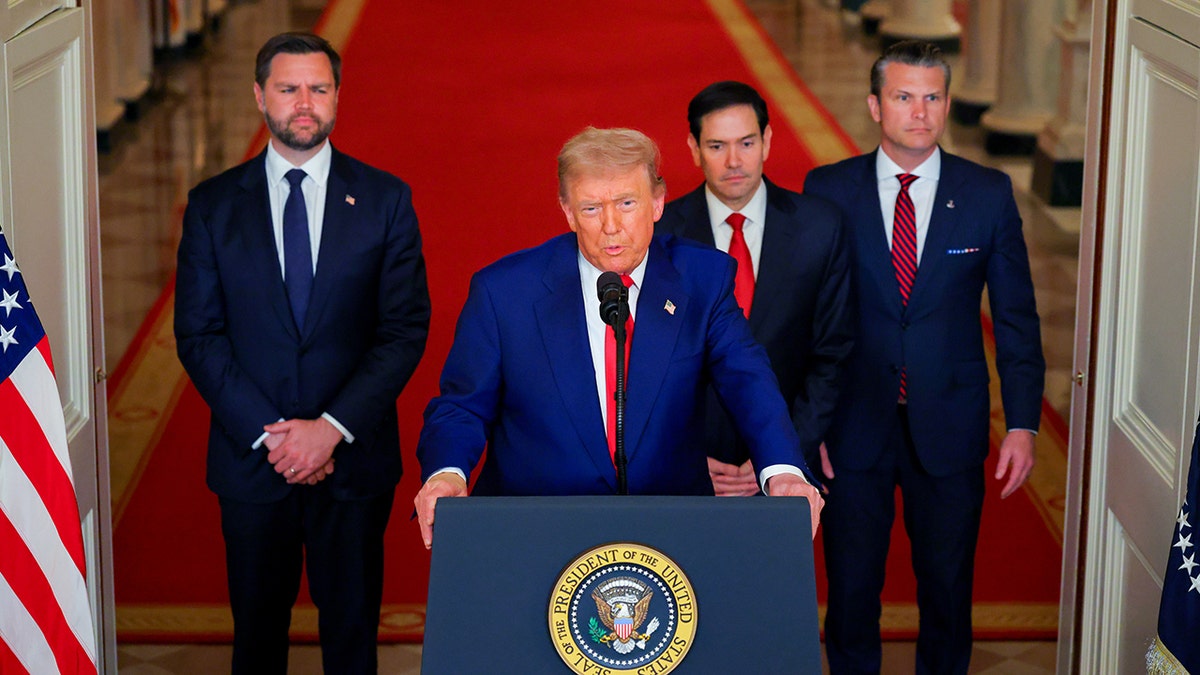
Get Your Own Oil? Trump’s Warning Sparks Questions About U.S. Role Abroad- Former President Donald Trump has once again grabbed global attention with a stark warning to the United States’ allies regarding the ongoing conflict with Iran. In a series of remarks that critics describe as blunt, Trump told European nations to “get your own oil”, suggesting that Washington may no longer feel obligated to protect the flow of energy resources in the Middle East.
The comments came amid heightened tensions in the Gulf region, where oil shipments through the strategically critical Strait of Hormuz remain vulnerable. Trump framed the U.S. military’s role in the Iran conflict as one of rapid, decisive action. He claimed the United States could end military operations in Iran within two to three weeks, arguing that the goal is to swiftly cripple Iran’s nuclear and military capabilities before withdrawing American forces. While Trump presented this timeline as achievable, analysts caution that the reality on the ground is far more complex, involving entrenched regional actors, proxy conflicts, and logistical challenges.
Trump’s remarks appear to be both a critique of Europe’s reluctance to join the conflict and a larger signal of a potential shift in U.S. foreign policy priorities. Nations such as the United Kingdom, France, and Germany have largely avoided committing combat forces or direct support in the Iran war. Their hesitation stems from concerns over escalating violence, regional instability, and domestic opposition to U.S.-led military campaigns. By telling these allies to “get your own oil,” Trump is signaling frustration with what he perceives as a reliance on American military power without sharing the associated burdens.
The implications of this statement are significant. For decades, the United States has played a central role in securing global energy routes, particularly in the Persian Gulf, which accounts for a substantial portion of the world’s oil exports. The U.S. Navy has patrolled these waters, deterring attacks on shipping lanes and maintaining a degree of stability critical to the global economy. Trump’s remarks raise questions about whether the U.S. is prepared to step back from this role, leaving allied nations to fend for themselves in safeguarding energy supply lines.
Economic consequences are already apparent. Even limited disruptions in the Strait of Hormuz can send oil prices soaring, impacting global markets. European nations, heavily reliant on Middle Eastern oil imports, may now face a dilemma: increase domestic energy production, seek alternative suppliers, or assume greater military responsibility to ensure uninterrupted access. Trump’s warning could be interpreted as a call for allies to recalibrate their energy strategies and prepare for a world in which the United States is less willing to act as a guarantor of energy security.
The geopolitical ramifications extend beyond Europe. The Middle East is a complex mosaic of rivalries, alliances, and long-standing conflicts. A perception that the U.S. may reduce its involvement in protecting vital corridors could embolden regional actors, altering the calculations of countries like Saudi Arabia, the United Arab Emirates, and others who depend on U.S. presence for deterrence against hostile neighbors. Meanwhile, adversaries like Iran might interpret the statement as an opportunity to assert greater influence in the region, knowing that American support for allies may not be as robust as in the past.
Critics argue that Trump’s approach oversimplifies a multifaceted conflict. Ending the war in two to three weeks, as he suggests, is highly optimistic. Military experts point out that while U.S. forces have superior firepower, a rapid conclusion requires not only tactical victories but also political and logistical coordination, management of humanitarian crises, and careful consideration of global economic impacts. There is also the risk of unintended escalation, with Iran potentially responding through asymmetric tactics, including cyberattacks, attacks on shipping, or support for proxy groups across the region.
Trump’s statement also raises broader questions about the future of American foreign policy. For years, Washington has shouldered the responsibility of global security, intervening militarily in crises, maintaining alliances, and securing critical trade routes. His comments suggest a reevaluation of this role, potentially moving toward a model where allies bear a greater share of responsibility for their security, particularly in areas where U.S. strategic interests are less directly threatened. This aligns with broader “America First” rhetoric, emphasizing national priorities over international commitments.
The reactions from allies have been mixed. European leaders, while publicly reiterating support for U.S. goals in curbing Iran’s nuclear ambitions, have privately expressed concern about being left to navigate energy security and regional conflicts independently. The situation underscores the delicate balance Washington must maintain between asserting national interests and sustaining global alliances, which are critical not only for security but also for economic stability and diplomatic influence.
In conclusion, Trump’s message to “get your own oil” is more than a provocative soundbite—it reflects a potential pivot in U.S. foreign policy, signaling a willingness to recalibrate global responsibilities and challenge allies to take greater initiative. While the practical implications of his claims about a rapid end to the Iran war remain uncertain, the statement itself has already reverberated through diplomatic channels, energy markets, and strategic circles. The coming weeks will reveal whether this rhetoric translates into a tangible shift in American engagement abroad or remains another instance of Trump’s signature blunt communication style.
What is clear is that the debate over the U.S. role in global security—particularly in regions rich in strategic resources—has been reignited. Allies and adversaries alike will be watching closely to see whether Washington continues to act as the stabilizing force in global energy and security matters, or whether they must indeed “get their own oil.”
Top 10 Largest Rivers in the World: Length, Location & Fascinating Facts | Maya