From Bombs to Bacteria: War’s Deadly Toll on Public Health
War does more than destroy cities — it ravages health systems, disrupts medical care, and creates conditions for deadly disease outbreaks. Across Ukraine, Iran, and Israel-Palestine, the combination of violence, displacement, and damaged infrastructure has escalated into a full-blown public health emergency.
While the headlines often focus on bombs and casualties, an equally lethal threat is quietly emerging: infectious diseases, chronic illness deterioration, and mental health crises.
The Invisible Epidemic Behind the Frontlines
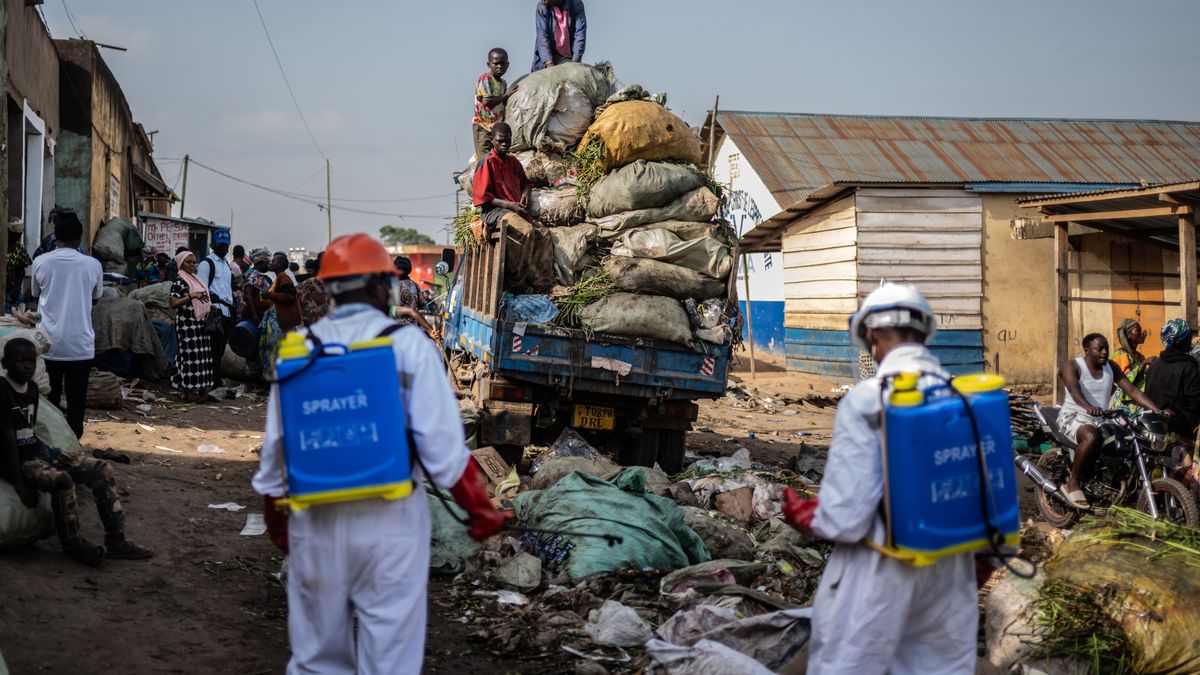
Conflict transforms everyday life into a high-risk environment for disease transmission. When hospitals are bombed, laboratories destroyed, and medical staff displaced, essential healthcare services vanish. Crowded shelters, limited access to clean water, and poor sanitation create a fertile ground for respiratory infections, diarrheal illnesses, and other preventable diseases.
The public health impacts of war extend far beyond battlefield casualties — they affect entire communities, particularly the displaced, elderly, and children.
Ukraine: Health Systems in Shambles
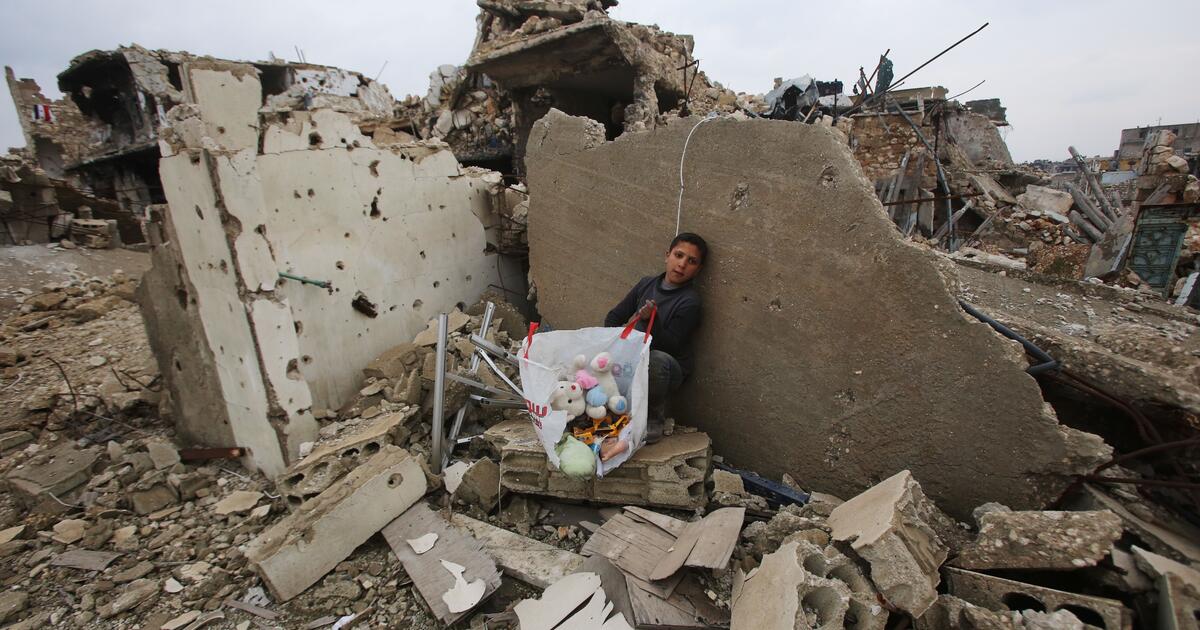
In Ukraine, years of conflict have left hospitals and clinics destroyed or severely damaged, and medical personnel stretched to the breaking point. Millions of citizens are displaced, often living in shelters where overcrowding and poor hygiene make disease outbreaks inevitable.
- Infectious Disease Threats: Waterborne illnesses like cholera, hepatitis, and typhoid are rising, while respiratory infections spread rapidly in overcrowded conditions.
- Chronic Illnesses Neglected: Individuals with diabetes, heart disease, and cancer face treatment interruptions, resulting in preventable deaths.
- Mental Health Strain: The stress of living under constant threat has triggered widespread anxiety, depression, and post-traumatic stress disorder.
The collapse of water and sanitation infrastructure further compounds the risk, making children and the elderly particularly vulnerable.
Iran: Conflict Weakening Healthcare Infrastructure
In Iran, renewed military operations and internal instability have severely disrupted healthcare delivery. Hospitals, research centers, and laboratories have been damaged, reducing the country’s ability to monitor and respond to disease outbreaks.
- Disrupted Disease Surveillance: The destruction of labs and displacement of medical professionals hampers early detection and outbreak management.
- Scarcity of Medical Supplies: Vaccines, antibiotics, and other critical medications are in short supply, leaving populations untreated.
- Displacement-Related Risks: Crowded shelters with limited sanitation and nutrition make populations highly susceptible to respiratory infections and diarrheal illnesses.
The combined effects of infrastructure damage, displacement, and supply shortages create conditions for both endemic and emerging infectious diseases to thrive.
Israel and the Palestinian Territories: Chronic Conflict, Chronic Health Risk
In Israel and the Palestinian territories, decades of conflict have created a fragile and overstretched healthcare system. Hospitals and clinics struggle to treat the injured while also providing routine care, leaving populations vulnerable.
- Overloaded Health Facilities: Medical infrastructure operates at or beyond capacity, limiting access to essential care for chronic illnesses and preventive health services.
- Sanitation and Water Challenges: Broken sewage systems and limited access to clean water increase the risk of waterborne and vector-borne diseases.
- Children at Risk: Malnutrition, poor hygiene, and disrupted vaccination campaigns put children at heightened risk for preventable illnesses.
The situation illustrates how prolonged conflict can magnify public health crises, turning everyday living conditions into a hotbed for disease.
How War Amplifies Disease
Across conflict zones, several factors converge to magnify disease risk:
- Destruction of Healthcare Infrastructure: Hospitals and clinics are destroyed, eliminating emergency care and routine services.
- Overcrowded Displacement Camps: Shelters create conditions for rapid transmission of infections.
- Interrupted Supply Chains: Shortages of essential medicines, vaccines, and equipment leave populations untreated.
- Weakened Surveillance Systems: Damaged laboratories and health reporting prevent early detection of outbreaks.
- Interrupted Chronic Care: Patients with preexisting conditions face preventable complications and mortality.
Together, these factors produce a dual threat: immediate outbreaks and long-term health deterioration, particularly among vulnerable populations.
Global Implications
The health crises in Ukraine, Iran, and Israel-Palestine are not confined to their borders. Displaced populations can carry diseases to neighboring regions, and supply chain disruptions may affect the global availability of medications and vaccines.
Delayed detection of outbreaks can lead to regional epidemics and heightened global health insecurity, underscoring the need for urgent international action.
Urgent Measures to Protect Health
Humanitarian and public health experts emphasize rapid interventions to prevent further catastrophe:
- Safeguard Medical Infrastructure: Hospitals, clinics, and laboratories must be protected under international humanitarian law.
- Restore Basic Services: Water, sanitation, and electricity are essential to reduce disease risk.
- Deliver Life-Saving Supplies: Ensure medications, vaccines, and nutritional aid reach affected populations quickly.
- Strengthen Disease Surveillance: Early detection systems are critical for controlling outbreaks.
- Maintain Chronic and Mental Health Care: Displaced populations must continue receiving care for preexisting conditions and psychological trauma.
Without coordinated action, the humanitarian toll will escalate, with widespread disease outbreaks threatening millions of lives.
The Bottom Line: From Bombs to Bacteria
While bombs dominate headlines, it is the spread of disease that silently claims lives long after the fighting ends. In Ukraine, Iran, and Israel-Palestine, destroyed hospitals, overcrowded shelters, and limited access to clean water are fueling deadly outbreaks. Chronic illnesses, malnutrition, and mental health crises compound the toll.
Addressing this growing global health emergency requires swift, coordinated international efforts: protecting healthcare infrastructure, restoring essential services, and providing life-saving aid to vulnerable populations. Failure to act will prolong suffering, increase preventable deaths, and risk epidemics that extend far beyond conflict zones.
AI Health Advice Under Scrutiny After Oxford Study Flags Safety Concerns | Maya