Iran Reopens Strait of Hormuz After Israel–Lebanon Ceasefire, Oil Prices Drop- In a significant development with global repercussions, Iran has announced that the Strait of Hormuz is once again open to commercial shipping, following a temporary ceasefire between Israel and Lebanon. The move has already sent shockwaves through global energy markets, with oil prices dropping sharply as fears of prolonged supply disruption begin to ease.
Iranian authorities clarified that while the waterway is open, all vessels must follow designated routes coordinated by its maritime agencies. This condition reflects the continuing sensitivity of the situation, even as tensions show signs of cooling. The reopening is directly linked to the recently agreed 10-day ceasefire, underscoring how closely geopolitical stability in the Middle East is tied to global trade and energy flows.
A Critical Global Lifeline
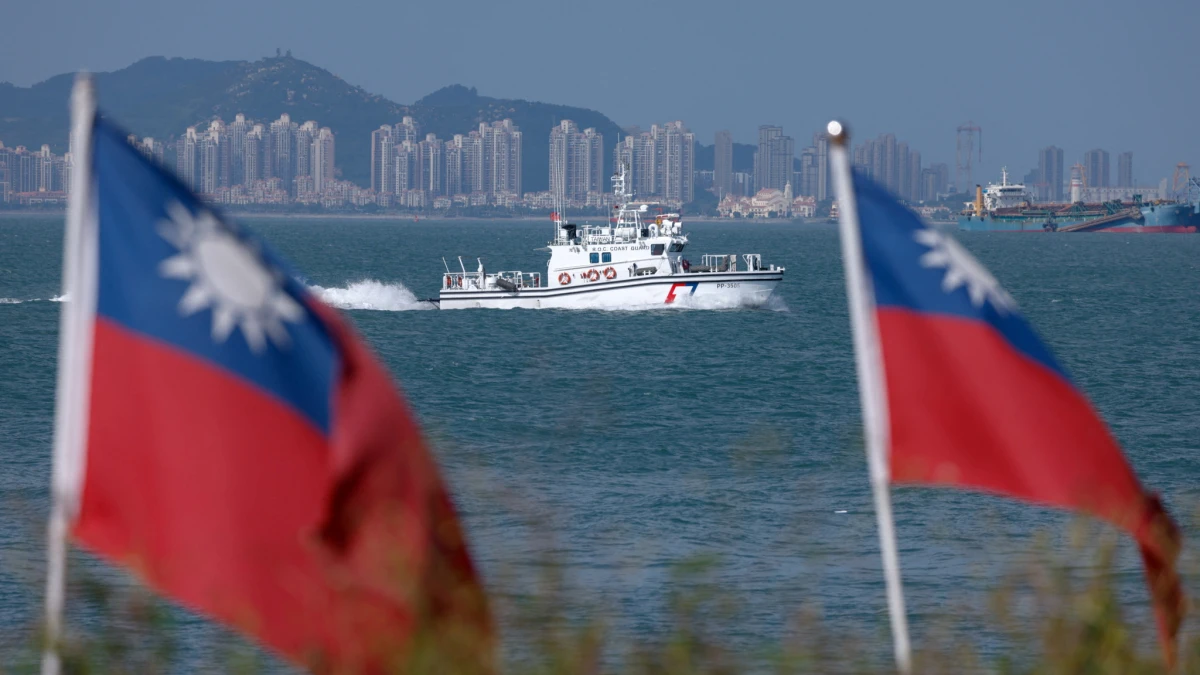
The Strait of Hormuz holds immense strategic importance. It serves as a narrow but vital corridor connecting the oil-rich Persian Gulf to international markets. Nearly 20% of the world’s crude oil supply passes through this route, making it one of the most crucial chokepoints in global commerce.
When access to the strait was heavily restricted during the recent conflict, it triggered a major disruption in oil supply. Markets reacted with volatility, and prices surged amid concerns of a prolonged crisis. Now, with the passage reopened, oil prices have dropped below recent highs, reflecting renewed confidence among traders and investors.
However, the recovery is not expected to be immediate. Shipping activity, which had slowed drastically, will take time to normalize. Many tanker operators remain cautious, weighing security risks before fully resuming operations in the region.
Ceasefire Offers Relief, Not Resolution
The reopening comes after a temporary ceasefire between Israel and Lebanon, following escalating violence involving Hezbollah, a group closely aligned with Iran. While the truce has reduced immediate hostilities, it is limited in duration and does not address the deeper issues driving the conflict.
This fragile calm has provided an opportunity to ease pressure on global energy markets, but uncertainty remains high. The situation could quickly deteriorate if the ceasefire breaks down or if tensions flare up again.
Meanwhile, the broader standoff between the United States and Iran continues to complicate the picture. Although the reopening of the strait has been welcomed internationally, the United States has not lifted its naval restrictions on Iran. This indicates that, despite some progress, significant disagreements remain unresolved.
Diplomatic Efforts Face Challenges
Recent attempts at diplomacy have yet to produce a lasting solution. Talks between senior U.S. and Iranian officials have not resulted in a comprehensive agreement, though further discussions are expected. Both sides appear to be maintaining a cautious approach, balancing negotiation with strategic pressure.
The lack of a clear breakthrough highlights the complexity of the situation. Multiple actors are involved, and each has its own interests and concerns. As a result, even small developments—such as the reopening of a shipping route—carry considerable weight on the global stage.
Market Reaction and Economic Implications
The immediate drop in oil prices reflects a sense of relief in global markets. Lower energy costs could help ease inflationary pressures in many countries, particularly those heavily dependent on imported fuel. For businesses and consumers alike, this comes as a welcome shift after a period of rising costs.
At the same time, analysts warn against over-optimism. The current situation remains highly fluid, and any escalation could reverse the trend. The gap between policy announcements and actual supply recovery also means that markets may continue to experience fluctuations in the near term.
A Temporary Calm in a Volatile Region
Iran’s decision to reopen the Strait of Hormuz marks an important moment in an otherwise tense geopolitical landscape. It signals a willingness to reduce immediate pressure and allow global trade to resume, at least for now.
Yet, this development should be seen as a temporary pause rather than a permanent solution. The ceasefire is limited, negotiations are ongoing, and underlying tensions remain unresolved. The coming days will be critical in determining whether this opening leads to sustained stability or proves to be just a brief window of calm.
For now, the world is watching closely, aware that the balance between conflict and cooperation in this region has far-reaching consequences for the global economy.