
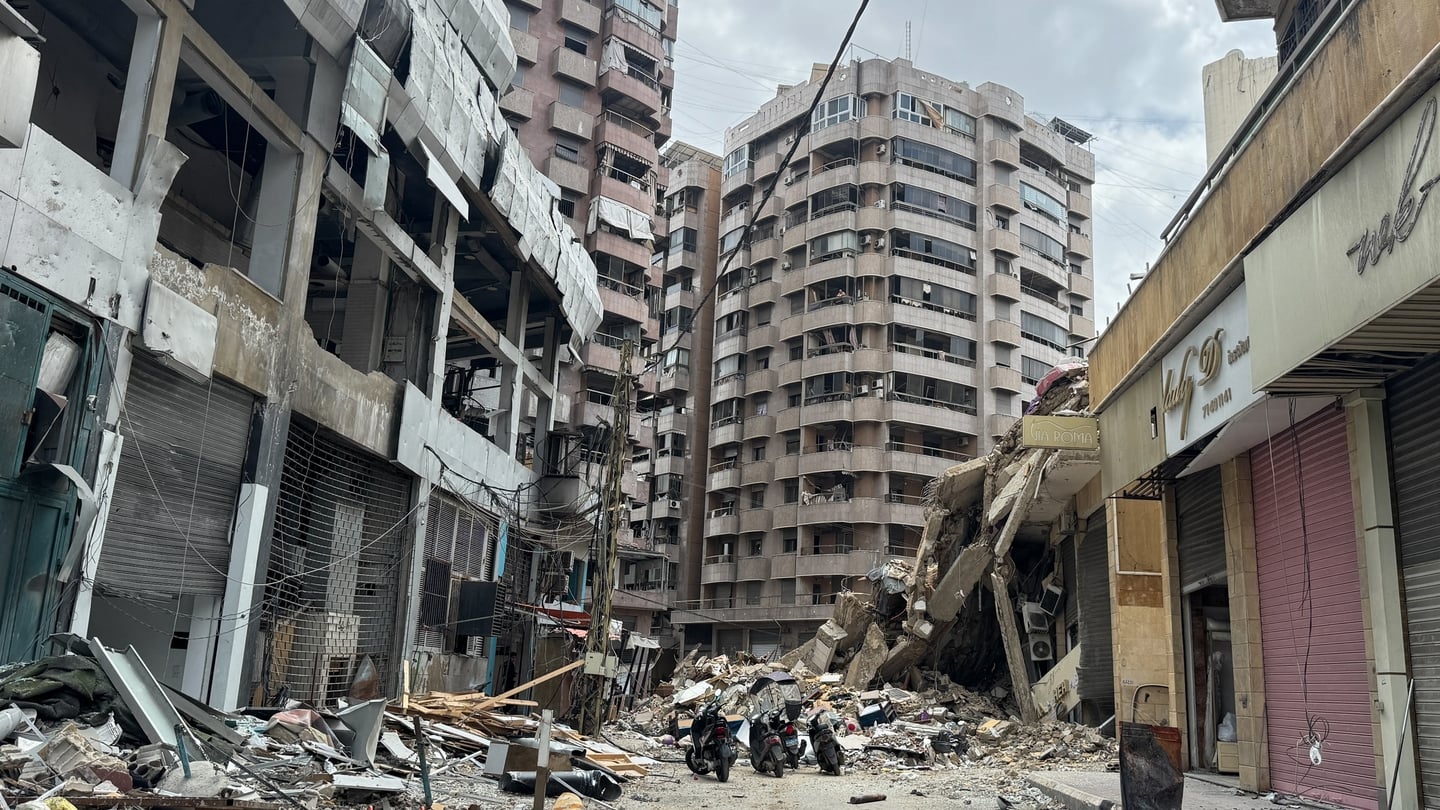
Ceasefire Extension Signals Progress, but Risks Remain in Israel–Lebanon Conflict: The decision to extend the ceasefire between Israel and Lebanon by three weeks has brought a measured sense of relief to a region accustomed to cycles of escalation. Announced following talks at the White House led by Donald Trump, the agreement reflects a rare instance of diplomatic coordination between two long-standing adversaries. While the extension suggests a willingness to de-escalate, it also underscores how fragile and uncertain the situation remains.
At a basic level, the ceasefire is not a resolution but a temporary pause designed to prevent further deterioration. The earlier truce had already helped reduce immediate hostilities, including cross-border shelling and rocket attacks. Extending it creates an opportunity for continued dialogue, offering both sides a chance to explore longer-term arrangements. For civilians living near the border, this pause is significant—it provides brief stability in an otherwise unpredictable environment, allowing displaced families to consider returning home and humanitarian aid to reach affected areas.
However, the underlying causes of the conflict remain unresolved. Israel continues to view the presence of Hezbollah near its northern border as a serious security threat. At the same time, Lebanon faces internal limitations, as Hezbollah operates with considerable autonomy and influence, supported by Iran. This creates a disconnect between official diplomatic efforts and on-the-ground realities, making any agreement difficult to fully enforce.
One of the most critical weaknesses of the ceasefire is that not all key actors are formally included in the negotiations. While Israeli and Lebanese representatives engaged in discussions, Hezbollah was not directly part of the talks. This absence raises doubts about how effectively the ceasefire can be maintained. Without the participation—or at least the compliance—of such a powerful group, the risk of violations remains high, whether due to deliberate actions or miscalculations.
Early indications suggest that these concerns are not merely theoretical. Reports of sporadic clashes and minor breaches during the initial truce highlight how easily tensions can resurface. In a highly sensitive environment, even isolated incidents can escalate quickly, fueled by mistrust and competing narratives. Maintaining discipline across multiple actors with differing agendas is a significant challenge.
The role of the United States in facilitating this agreement is also an important factor. By hosting the talks, Washington has reinforced its position as a key diplomatic intermediary in the region. For the Trump administration, the extension may represent a short-term diplomatic achievement. However, the real challenge lies in converting this temporary pause into sustained progress, something that has historically proven difficult in similar conflicts.
Beyond the political and military dimensions, the humanitarian aspect cannot be overlooked. The conflict has displaced large numbers of civilians and put immense pressure on infrastructure, particularly in southern Lebanon. The ceasefire extension offers a critical window for relief efforts, enabling aid organizations to deliver supplies and support to affected populations. Even a short period of calm can make a tangible difference in improving living conditions and reducing immediate suffering.
Despite these positive elements, it would be overly optimistic to interpret the ceasefire as a turning point. Temporary truces have often been followed by renewed violence, especially when deeper issues remain unresolved. The Israel–Lebanon conflict is further complicated by broader regional dynamics, including tensions involving Iran. As long as these larger geopolitical factors persist, the ceasefire is likely to remain inherently unstable.
Ultimately, the extension signals intent rather than resolution. It shows that all parties recognize the risks of continued escalation and are willing, at least for now, to step back. However, translating this intent into lasting peace will require more than short-term agreements. It will demand consistent dialogue, strategic compromise, and efforts to build trust—all of which take time and political will.
For now, the three-week extension stands as a fragile but meaningful pause, offering a narrow opportunity to shift from confrontation toward conversation. Whether it becomes a foundation for longer-term stability or simply delays another round of conflict will depend on the choices made in the coming weeks—both in diplomatic circles and on the ground.
Prince Harry Visits Ukraine, Calls for Continued Global Focus on War Effort | Maya
