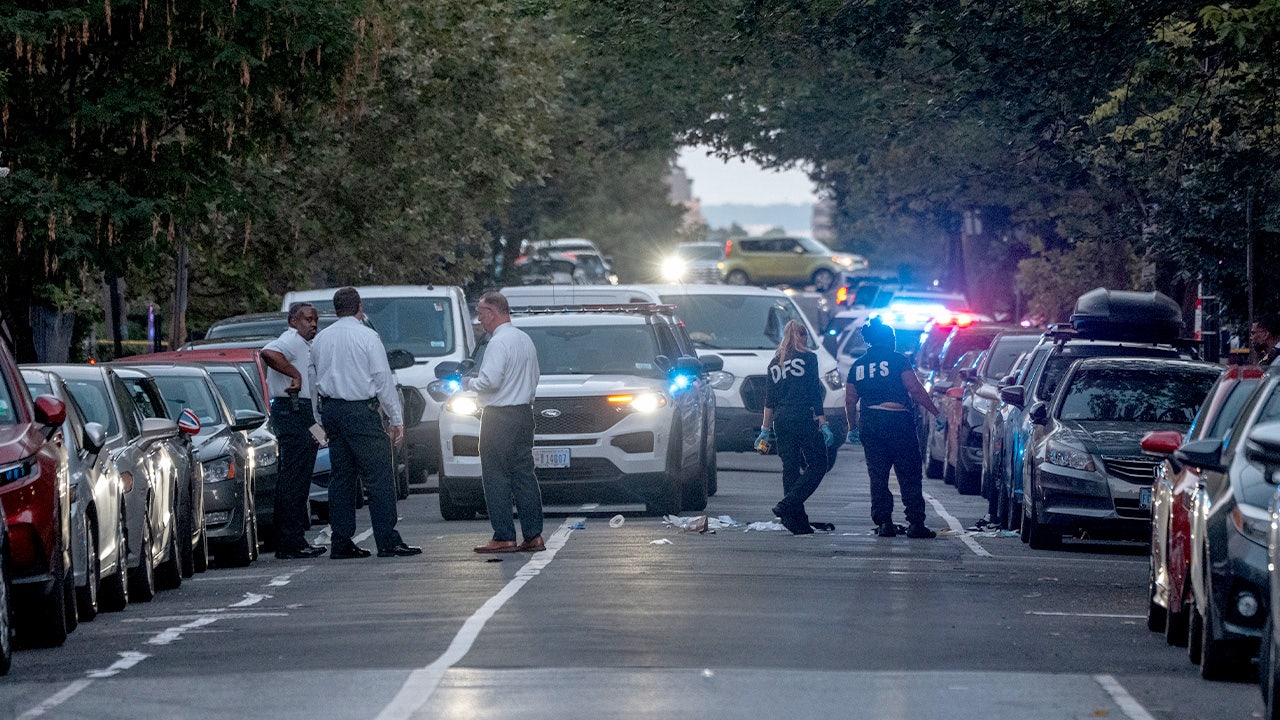
Shooting at DC Gala Fuels Debate Over Security and Gun Access- A shooting at one of Washington’s most high-profile annual events has reignited debate over security preparedness and firearm access, after an armed suspect breached safeguards at the hotel hosting the White House Correspondents’ Dinner.
Authorities are still investigating how the suspect managed to bring multiple weapons into the Washington Hilton, a location long associated with elite political gatherings. The breach has raised urgent concerns about screening procedures at venues responsible for protecting top government officials, journalists, and public figures.
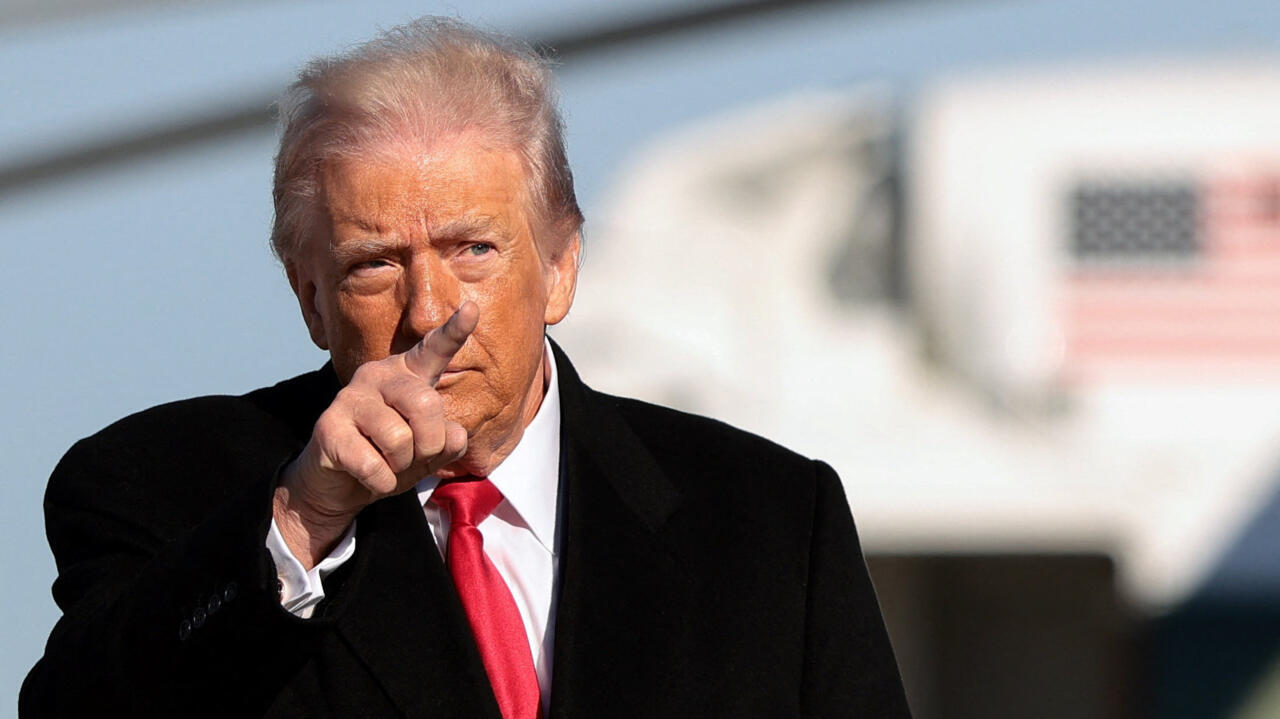
The suspect was taken into custody shortly after the incident but has refused to cooperate with investigators, making it more difficult to determine a clear motive. Officials confirmed that no attendees were injured, including President Donald Trump and Vice President JD Vance, both of whom were quickly evacuated when gunfire was reported. However, a U.S. Secret Service agent was shot while responding to the threat and required hospitalization. The agent has since been released, with officials emphasizing that a ballistic vest likely prevented a far more serious outcome.
The sudden disruption led organizers to cancel the remainder of the evening’s events, despite early indications that the program might continue. Officials later confirmed that the dinner will be rescheduled, prioritizing safety over tradition.
Investigators from multiple agencies, including the FBI and Secret Service, have launched a wide-ranging inquiry into the suspect’s movements, actions, and possible intent. Acting Attorney General Todd Blanche said authorities are closely reviewing security protocols that may have allowed the suspect to bypass safeguards. Search warrants have already been executed, including on electronic devices recovered from the suspect, and interviews are underway with individuals who may have known him.
Preliminary assessments suggest that administration officials may have been the intended targets, though officials caution that the investigation is still developing. Prosecutors, led by Jeanine Pirro, have indicated that the suspect will face federal charges including assault on a federal officer and the use of a firearm during a violent crime, with the possibility of additional charges as more evidence emerges.
According to law enforcement, the suspect traveled across multiple states by train before arriving in Washington, eventually checking into the same hotel hosting the event. At the time of the incident, he was reportedly carrying a shotgun, a handgun, and multiple knives, raising further concerns about how such an arsenal went undetected.
The incident has intensified scrutiny not only of venue security but also of how firearms are acquired and transported across jurisdictions. Officials believe the weapons may have been purchased legally in recent years, shifting part of the discussion toward gaps in enforcement and coordination rather than solely legislative shortcomings.
Despite the seriousness of the breach, some officials have described the response as swift and effective, noting that security personnel acted quickly to contain the threat and prevent greater harm. Still, security experts argue that the ability of an armed individual to approach a checkpoint at such a high-profile event represents a significant lapse that must be addressed.
The shooting has also taken on political significance. In the aftermath, Trump pointed to the incident as evidence supporting enhanced infrastructure and security measures, including his push for a new White House ballroom. Supporters argue that purpose-built facilities could provide tighter control and improved safety, while critics contend that no venue can be fully secure without addressing broader systemic risks.
Inside the ballroom, attendees described moments of confusion and fear, as it was initially unclear whether the gunfire posed a direct threat to those inside. Scheduled entertainment, including a performance by Oz Pearlman, was abruptly halted as security personnel moved to secure the area.
The incident has become a flashpoint in a wider national conversation, blending concerns about public safety, gun access, and the effectiveness of protective measures at major events. For many observers, the episode underscores a difficult reality: even heavily guarded environments are not immune to determined individuals.
As investigators continue to piece together the suspect’s motivations and methods, policymakers and security experts are expected to reassess existing protocols and consider potential changes. Whether that leads to stronger enforcement, new security strategies, or broader policy debates remains uncertain.
What is clear, however, is that the shooting has left a lasting impression—not only on those who witnessed it firsthand, but also on the broader debate over how to balance openness, security, and public safety in an increasingly complex threat environment.
Meta to Eliminate 8,000 Jobs as AI Spending Pressures Force Efficiency Push | Maya