
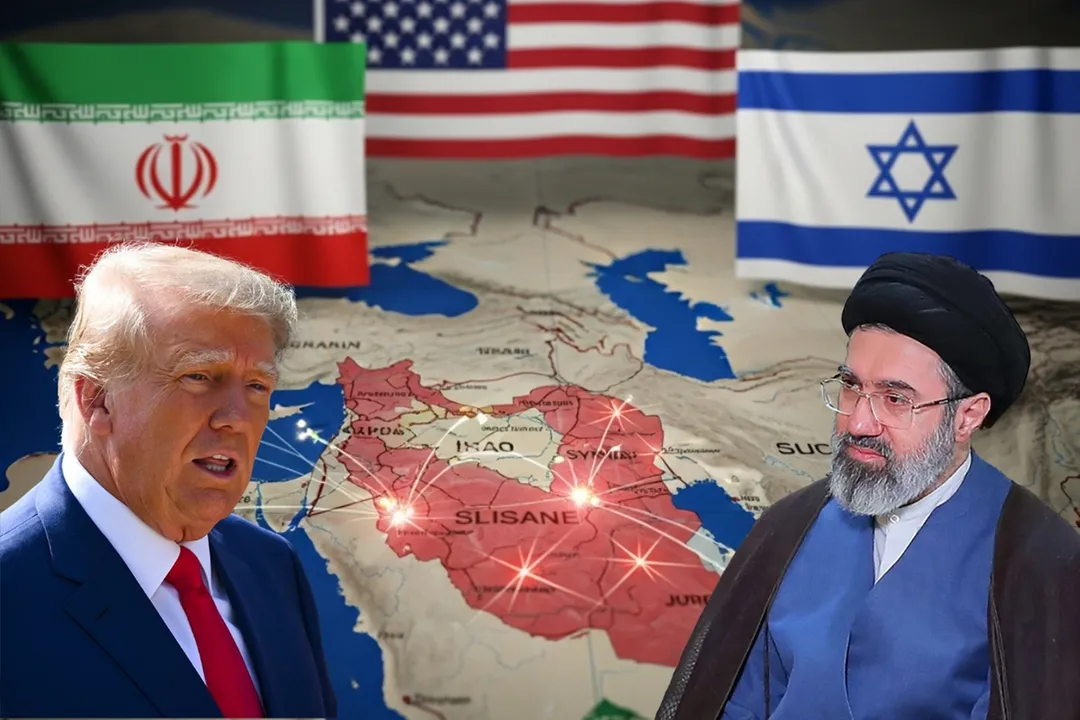
Iran’s Diplomatic Push Intensifies as Ceasefire Talks Stall and Tensions Simmer- Iran’s top diplomat returned to Pakistan on Sunday, signaling renewed urgency in efforts to revive fragile ceasefire negotiations between Tehran and Washington, even as mistrust and geopolitical tensions continue to complicate progress.
Abbas Araghchi arrived back in Islamabad after a brief and somewhat confusing departure late Saturday, according to Iranian state media. His return comes as Pakistan’s political and military leadership works behind the scenes to bring both sides back to the negotiating table. Araghchi is expected to continue onward to Moscow after his stop in Pakistan, highlighting the multi-country diplomatic effort underway.
Before returning, Araghchi had been in Oman, a key regional player that has previously facilitated indirect talks between Iran and the United States. Its strategic location near the Strait of Hormuz makes it central to both diplomacy and rising tensions in the region.
Pakistani officials, speaking anonymously, confirmed that efforts are ongoing to revive dialogue, but did not provide clarity on when U.S. representatives might return to the area. The uncertainty deepened after the White House initially announced plans to send envoys—including Steve Witkoff and Jared Kushner—for a second round of talks in Islamabad.
However, those plans were abruptly halted. President Donald Trump later said he called off the mission due to a lack of progress, adding that Iran could reopen communication “anytime.” The decision underscores the fragile nature of current diplomatic engagement.
Despite stalled talks, Trump recently extended a temporary ceasefire agreement reached on April 7, which significantly reduced hostilities that began with joint U.S.-Israeli strikes in late February. While the ceasefire has largely held, a permanent resolution remains out of reach, with both sides maintaining firm positions.
At the center of the dispute is the Strait of Hormuz, a critical artery for global energy supplies. Iran has restricted maritime movement through the strait, while the United States continues to enforce a blockade targeting Iranian ports, creating a tense standoff with global implications.
According to regional sources involved in mediation, Iran is pushing for a system that would allow it to collect tolls from vessels passing through the strait, a move that could reshape control over one of the world’s most vital shipping routes. In peacetime, roughly one-fifth of global oil supply passes through this narrow waterway, making any disruption highly consequential for the global economy.
Iran’s position remains firm: it is demanding an end to the U.S. blockade before engaging in further negotiations. Pakistani mediators are now attempting to bridge significant gaps between the two sides, though progress appears slow and uncertain.
Araghchi’s discussions in Oman reportedly focused heavily on maritime security and the future of the Strait of Hormuz, though it remains unclear how receptive regional partners are to Iran’s proposals. In parallel, he has held phone conversations with counterparts in Qatar and Saudi Arabia, indicating a broader effort to consolidate regional support.
Iran has also made clear that any future negotiations are likely to remain indirect, with intermediaries such as Pakistan playing a central role. This reflects deep skepticism in Tehran, especially after previous rounds of indirect talks collapsed and were followed by military escalation involving the United States and Israel.
Meanwhile, the economic consequences of the ongoing conflict are becoming increasingly severe. Nearly two months into the crisis, disruptions in the flow of oil, liquefied natural gas, fertilizers, and other essential commodities are putting pressure on global supply chains. The near-closure of the Strait of Hormuz has only intensified these challenges.
Despite diplomatic activity, military rhetoric on both sides remains aggressive. Iran’s joint military command issued a stark warning, stating that continued U.S. actions—particularly naval blockades—would provoke a “strong response.” Such statements highlight the persistent risk of escalation, even as negotiations remain technically open.
For now, the situation remains precarious. Diplomatic channels are active but fragile, economic pressures are mounting, and military tensions continue to simmer, leaving the future of the ceasefire—and broader regional stability—uncertain.
2026 Apple TV to Focus on Performance Upgrades While Keeping Familiar Design | Maya

