Mali’s Day of Shock: How Militants Breached the Capital
Mali is facing one of the most serious security crises in its recent history after a wave of coordinated attacks struck multiple parts of the country, including the capital, Bamako. The events have shaken public confidence and exposed weaknesses in the country’s military leadership and overall security strategy.
A coordinated and unexpected assault
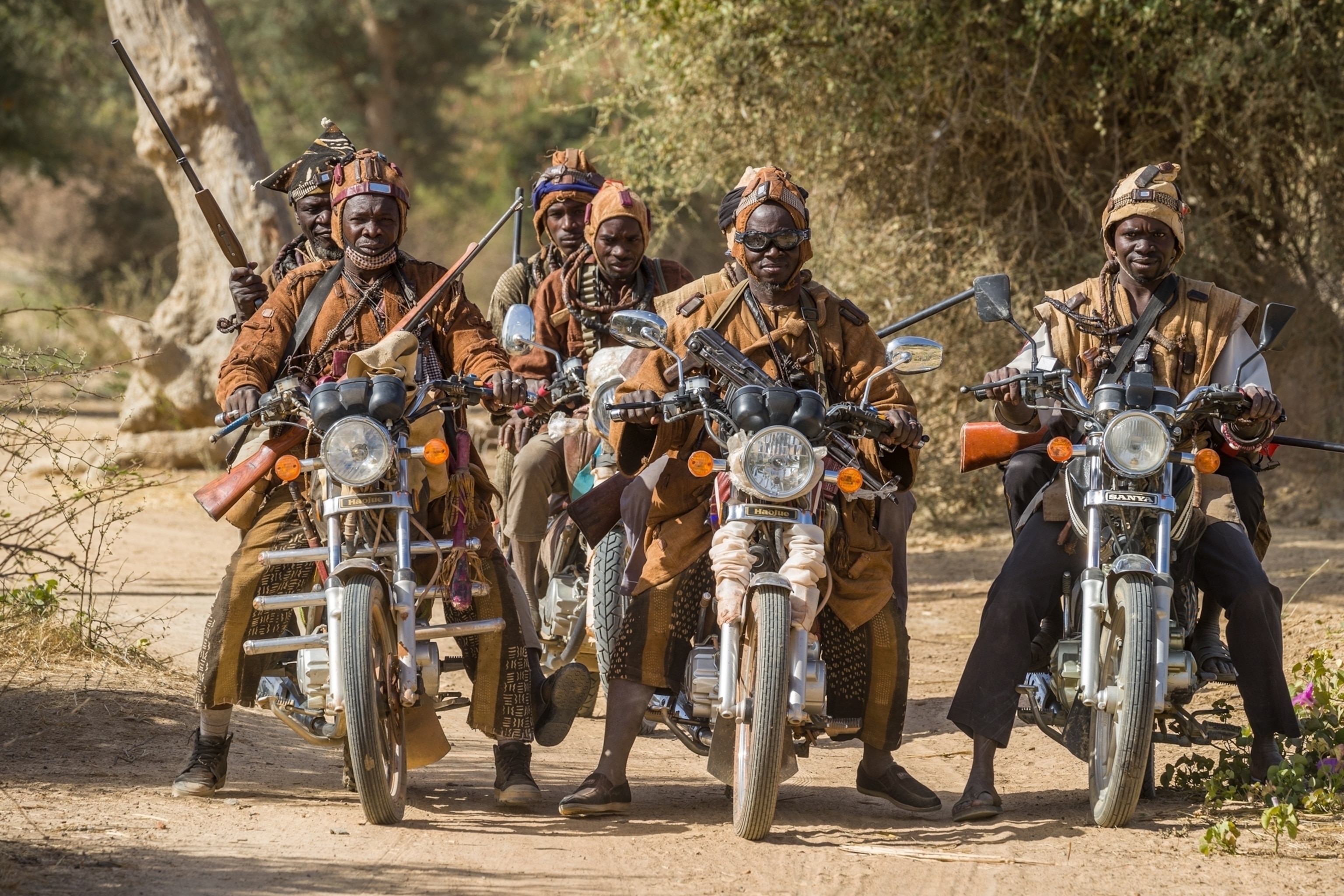
In the early hours of Saturday, gunfire and explosions were reported across several cities. Armed groups launched near-simultaneous attacks, targeting military bases, infrastructure, and key locations. The most alarming development was that fighters managed to enter parts of Bamako, an area that had largely been shielded from major attacks in recent years.
At the same time, violence escalated in northern Mali, where armed groups advanced quickly and seized control of important territory. Among the most significant developments was the capture of the northern city of Kidal, long considered both strategically and symbolically important.
The scale and timing of the attacks indicate careful planning and coordination, suggesting that militant groups are becoming more organized and capable.
Who is behind the attacks?
Responsibility has been claimed by an alliance between two major groups. The first is the Azawad Liberation Front (FLA), a separatist movement seeking independence or autonomy for northern Mali. The second is Jama’at Nusrat al-Islam wal-Muslimin (JNIM), an Islamist militant coalition linked to al-Qaeda and active across the Sahel region.
Although these groups have different long-term goals, they have increasingly worked together against Malian state forces. This cooperation makes them more dangerous, combining local influence with broader militant networks.
A major blow to the government
One of the most shocking aspects of the attacks was the reported killing of Defence Minister Sadio Camara. As a key figure in Mali’s military leadership, his death could have serious consequences.
Camara played a central role in shaping the country’s security strategy and coordinating military operations. Losing such an important leader during a crisis could disrupt decision-making and weaken the effectiveness of any response.
His death also sends a powerful message that even the highest levels of government are vulnerable, raising concerns about the state’s ability to maintain control.
Pressure on the junta
The attacks have intensified scrutiny of the military government led by Colonel Assimi Goïta, who took power in a 2020 coup. Since then, his leadership has been built largely on promises to restore stability and security.
However, the latest events have cast doubt on those claims. Despite ongoing military operations, armed groups have shown they can still carry out large-scale, coordinated attacks.
Goïta’s delayed public appearance after the attacks added to concerns. When he finally addressed the nation, he stated that the situation was under control and promised to defeat those responsible. Still, the delay raised questions about how prepared the government was to respond.
The role of Russia
In recent years, Mali has strengthened ties with Russia, relying on Russian support for its security operations. This includes the presence of military personnel often described as private contractors.
These forces have been involved in efforts to combat insurgent groups, particularly in central and northern regions. However, their impact has been debated. While they have taken part in aggressive operations, critics argue that they have not delivered lasting stability.
The withdrawal of Malian and allied forces from Kidal before it fell to the FLA has raised further concerns about the effectiveness of current strategies. The loss of Sadio Camara may also complicate coordination with Russian partners, as he was seen as a key link in that relationship.
Regional implications
The crisis in Mali has wider consequences for West Africa. The country lies at the center of the Sahel, a region where militant activity has expanded across borders into countries such as Burkina Faso and Niger.
Instability in Mali could allow armed groups to strengthen their presence and extend their operations into neighboring states. This raises concerns about broader regional security, especially as several countries in the area are dealing with similar challenges.
What happens next?
In the short term, a military counter-offensive is expected. The government still controls major cities and key institutions, giving it a base from which to respond.
The outcome of this response will be critical. A successful operation could restore some confidence and push back militant groups. However, if the response is slow or ineffective, it could deepen the crisis and weaken the government further.
There is also the risk of political instability. Continued security failures could lead to internal divisions or increased public dissatisfaction with military rule.
A country on edge
For many people in Mali, the attacks have brought the conflict closer to home. What was once seen as a distant समस्या in remote regions has now affected the capital itself.
The situation remains uncertain. While the government insists it is in control, the scale of the attacks suggests that the threat is far from over.
Mali now faces a critical moment. The actions taken in the coming days will shape the country’s future and could have lasting effects on stability across the wider region.