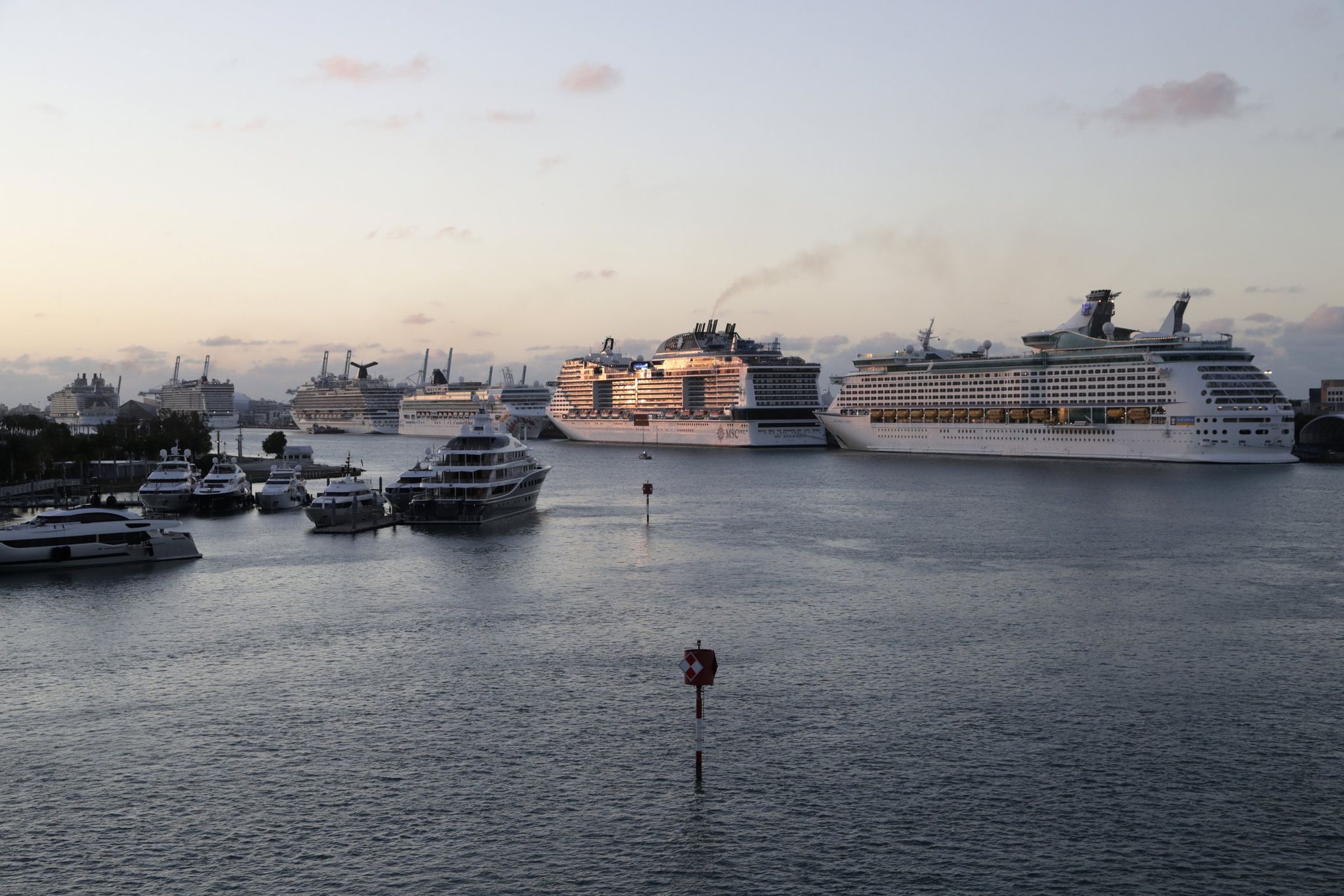
Ship Denied Docking as Virus Fears Rise Onboard- An expedition cruise ship remains stranded in the Atlantic Ocean after authorities refused permission for it to dock, raising concerns over the health and safety of those onboard. The vessel, MV Hondius, has been positioned off the coast of Cape Verde for more than 24 hours, according to ship-tracking data, as officials assess a potential health risk linked to a rare viral infection.
The situation began unfolding when passengers and crew reportedly showed symptoms consistent with Hantavirus, a disease carried primarily by rodents and transmitted to humans through airborne particles contaminated with droppings, urine, or saliva. Though infections are uncommon, the virus is known for its severity in some cases, prompting swift caution from both the cruise operator and local authorities.
Operated by Oceanwide Expeditions, the ship had been on a remote voyage when the health concerns emerged. In a statement, the company confirmed that requests to allow medically vulnerable individuals to disembark had not yet been approved by Cape Verdean authorities. As a result, the vessel has remained offshore while negotiations and health assessments continue.
For those onboard, the uncertainty has been growing. Cruise ships are typically equipped with medical facilities capable of handling routine illnesses and minor emergencies. However, managing a potential outbreak of a rare virus presents a far more complex challenge. Passengers requiring advanced care may need to be transferred to fully equipped hospitals on land, something that cannot happen without official clearance.
Hantavirus infections often begin with symptoms that can be mistaken for common viral illnesses—fever, fatigue, and muscle aches. In some patients, however, the disease can progress rapidly, leading to severe respiratory distress or kidney complications. According to global health authorities, treatment options are limited. There is no specific antiviral cure, and care generally focuses on managing symptoms and supporting vital organ function.
This can include oxygen therapy, mechanical ventilation in cases of respiratory failure, and even dialysis if kidney function is impaired. In critical situations, patients may need admission to intensive care units, highlighting the urgency of timely medical intervention. The inability to immediately disembark those in need of advanced treatment has therefore become a central concern.
Despite the seriousness of the illness, experts emphasize that hantavirus does not typically spread from person to person in most forms, reducing the likelihood of a large-scale outbreak onboard. Nonetheless, the confined environment of a ship—combined with the uncertainty surrounding the exact nature and extent of the illness—has led authorities to take a cautious approach.
Cape Verde’s decision to deny docking permission so far likely reflects a balance between humanitarian considerations and public health protection. Allowing a potentially infected vessel to dock carries risks, particularly for island nations with limited healthcare infrastructure. At the same time, prolonged delays at sea can strain onboard resources and heighten anxiety among passengers and crew.
Ship-tracking platforms such as MarineTraffic have shown the MV Hondius maintaining a stationary position offshore, an unusual sight for a vessel designed for exploration rather than extended idling. The pause underscores the seriousness of the situation and the logistical complexities involved in resolving it.
Oceanwide Expeditions has indicated that it is working closely with relevant authorities to reach a solution. Measures onboard are believed to include isolating affected individuals, increasing sanitation efforts, and monitoring the health of all passengers and crew. Such protocols are standard in maritime operations when dealing with suspected infectious diseases, but their effectiveness depends on swift coordination with onshore medical systems.
For passengers, the experience has turned what was likely meant to be a once-in-a-lifetime journey into an unsettling wait at sea. Communication with loved ones, access to accurate information, and confidence in the response efforts all play crucial roles in maintaining calm during such incidents.
This event also highlights the broader challenges faced by the cruise industry when dealing with health emergencies in remote locations. Unlike incidents closer to major ports, situations in isolated waters can delay response times and complicate evacuation plans. The need for clear international protocols and cooperation becomes especially evident under these circumstances.
As authorities continue to evaluate the risks, the priority remains the well-being of those onboard as well as the protection of public health on land. Whether the ship will soon be granted permission to dock—or will need to seek assistance elsewhere—remains uncertain.
For now, the MV Hondius waits in the Atlantic, caught between precaution and urgency, as officials work to determine the safest path forward.
Pokémon Fans, Take Note: Target Drops Massive 30th Anniversary Collection Online | Maya