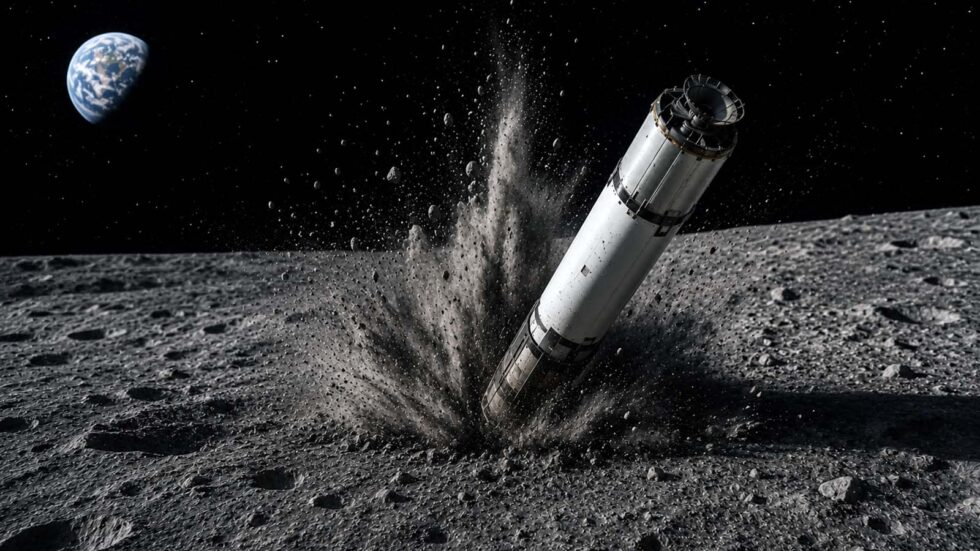
Could the New Glenn Explosion Impact NASA’s Artemis Moon Plans? Blue Origin is facing a major setback after its New Glenn rocket exploded during a ground test at Cape Canaveral Space Force Station in Florida, raising concerns about the future of several high-profile space missions — including NASA’s ambitious Artemis moon program.
The explosion occurred Thursday night during a hotfire test at Space Launch Complex 36, the only launch pad currently capable of supporting New Glenn missions. While no injuries were reported, the incident has sparked questions about potential delays to upcoming launches and whether Blue Origin can stay on schedule for its growing list of commercial and government contracts.
The failed test comes at a critical moment for the aerospace company founded by Jeff Bezos, as Blue Origin continues trying to establish New Glenn as a serious competitor to SpaceX’s Falcon Heavy and Starship systems.
What Happened During the Explosion?
According to Blue Origin, the incident took place around 9 p.m. ET during a routine hotfire test. These tests are designed to verify rocket systems before launch by igniting engines while the vehicle remains secured to the pad.
The company described the event as an “anomaly” and confirmed that all personnel were safely accounted for after the explosion.
Importantly, the rocket was not carrying payloads during the test. The mission was expected to support Amazon’s Project Kuiper, a satellite internet initiative designed to compete directly with Elon Musk’s Starlink network.
However, the explosion may have caused damage not only to the rocket itself but also to launch infrastructure and ground equipment. Since Launch Complex 36 is currently the only operational New Glenn launch site, repairs could potentially create scheduling problems for future missions.
Why the New Glenn Rocket Matters
The New Glenn rocket is central to Blue Origin’s long-term space ambitions. Standing over 320 feet tall, the reusable heavy-lift rocket is designed to carry large payloads into orbit and support both commercial and deep-space missions.
Blue Origin has positioned New Glenn as a key component for future lunar exploration efforts. NASA is relying on commercial partners to help build infrastructure for sustained human presence on and around the Moon under the Artemis program.
One of Blue Origin’s most important responsibilities involves launching parts of the Blue Moon lunar lander system, which NASA selected for future Artemis missions.
The rocket is expected to play a role in supporting Artemis III, the mission intended to return astronauts to the lunar surface for the first time since Apollo 17 in 1972.
Could Artemis Missions Be Delayed?
At this stage, it is too early to say whether the New Glenn explosion will directly delay NASA’s Artemis timeline. However, the incident could still create significant complications.
Heavy-lift rocket development is notoriously difficult, and even small technical failures can trigger months of investigations, redesigns, and regulatory reviews. The Federal Aviation Administration previously grounded New Glenn after a separate anomaly during an April launch attempt before clearing it to resume operations in May.
Now, another investigation is likely.
If the launch pad suffered serious structural damage, Blue Origin may need substantial time to repair testing and launch systems before New Glenn can fly again. Since the company currently has only one compatible launch complex, any downtime could ripple across multiple scheduled missions.
That matters because NASA’s Artemis architecture depends heavily on commercial launch providers maintaining reliable schedules.
NASA Responds to the Incident
NASA Administrator Jared Isaacman addressed the explosion shortly after the incident, emphasizing the challenges involved in developing advanced launch systems.
“Spaceflight is unforgiving, and developing new heavy-lift launch capability is extraordinarily difficult,” Isaacman wrote on social media.
NASA also confirmed it would work closely with Blue Origin to investigate the anomaly and evaluate possible impacts on near-term missions.
The statement reflects a broader reality within the modern space industry: failures during rocket development are not unusual. Both NASA and private companies frequently experience setbacks while testing new technologies.
Still, repeated delays can become expensive and disruptive, especially for programs as large and politically important as Artemis.
Blue Origin Faces Growing Pressure
The timing of the explosion is particularly difficult for Blue Origin because the company is under increasing pressure to prove it can deliver reliable launch services at scale.
SpaceX currently dominates the commercial launch market with frequent Falcon 9 missions and rapid Starship development. Meanwhile, Blue Origin has spent years working toward operational readiness for New Glenn.
Although the company successfully launched its third New Glenn rocket last month, critics argue Blue Origin still trails competitors in launch cadence and infrastructure maturity.
The latest failure may intensify concerns about whether Blue Origin can meet aggressive timelines for both NASA contracts and Amazon’s Kuiper satellite deployment plans.
What Happens Next?
Blue Origin will now likely begin a full technical investigation into the explosion alongside federal regulators and aerospace engineers. The company must determine whether the problem originated in the engines, fuel systems, software, or launch infrastructure.
Inspectors will also assess the extent of damage to Launch Complex 36 and decide how quickly repairs can begin.
For now, no injuries were reported, which remains the most important outcome after such a dangerous incident.
However, the broader consequences could take months to fully understand.
If repairs and investigations move quickly, Blue Origin may still keep most upcoming missions on track. But if the damage proves extensive, the explosion could become another major hurdle in the company’s efforts to support NASA’s return to the Moon and compete in the rapidly evolving commercial space race.
One thing is already clear: the New Glenn program remains critical not only to Blue Origin’s future but also to the broader ambitions of America’s next era of lunar exploration.
Oura Unveils Ultra-Thin Ring 5 Ahead of Expected IPO Push | Maya