What Is Article 4 of NATO and Why Does It Matter After the Romania Drone Incident? The recent drone strike in Romania has once again drawn international attention to Article 4 of the North Atlantic Treaty, one of NATO’s most important consultation mechanisms during periods of rising regional tension. The incident, which reportedly involved a Russian drone crashing into a residential building in the Romanian city of Galați near the Ukrainian border, has increased concerns about the possibility of the Ukraine war spilling into NATO territory.
While much of the public discussion around NATO usually focuses on Article 5, the alliance’s collective defense clause, security experts say Article 4 plays a critical role in situations where member states feel threatened but direct military retaliation is not yet being considered.
What Is Article 4 of NATO?
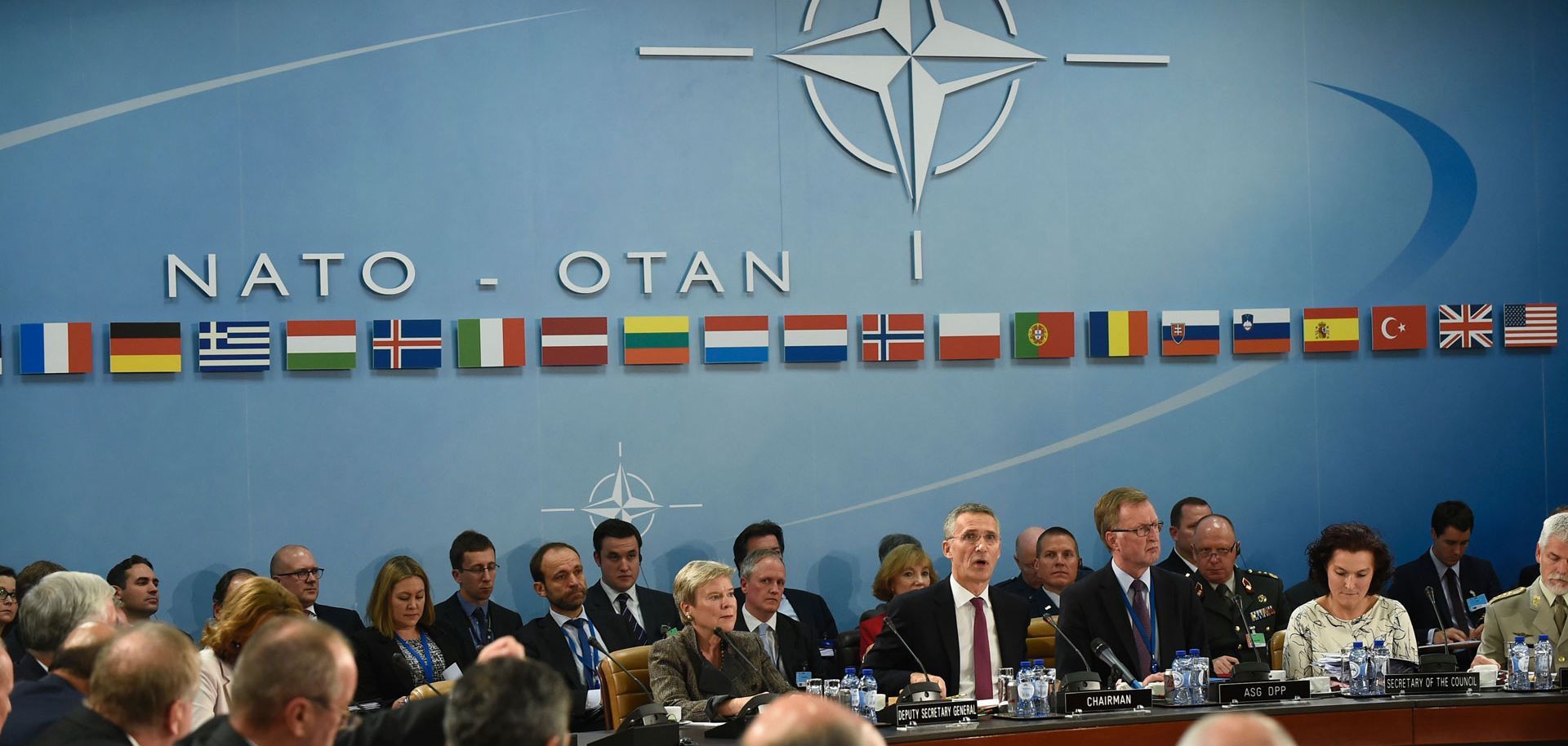
Article 4 of the North Atlantic Treaty states that member countries will consult together whenever any ally believes its territorial integrity, political independence, or security is under threat. In simple terms, it provides a formal process for NATO members to hold urgent discussions when a security crisis emerges.
Unlike Article 5, which treats an attack on one member as an attack on all, Article 4 does not automatically trigger military action. Instead, it serves as a diplomatic and strategic coordination tool designed to help allies assess threats, exchange intelligence, discuss defensive measures, and maintain alliance unity during dangerous situations.
The article has become increasingly important in recent years as NATO faces growing security challenges along its eastern borders, especially following Russia’s invasion of Ukraine in 2022.
Why Is Article 4 Relevant in the Romania Incident?
The latest drone incident in Romania has raised fresh questions about NATO’s security preparedness because the strike occurred inside the territory of a NATO member state. Romanian authorities said debris from a Russian drone attack targeting Ukraine landed on an apartment building in Galați, injuring two people and causing panic among residents.
Although NATO leaders have not described the incident as a deliberate attack on Romania, the alliance considers any military spillover into member territory a serious matter. This is where Article 4 becomes especially relevant.
By allowing emergency consultations among allies, Article 4 gives NATO a mechanism to respond quickly to potential threats without immediately escalating the situation into direct conflict. It enables member states to evaluate risks collectively and coordinate responses ranging from diplomatic pressure to increased military readiness.
Romanian President Nicuşor Dan responded swiftly by convening an emergency meeting of the country’s supreme council of national defence. Romania’s foreign ministry also summoned Russia’s ambassador and warned of possible diplomatic consequences and stronger European sanctions.
At the same time, NATO Secretary General Mark Rutte issued a strong statement saying the alliance is “ready to defend every inch” of allied territory. His remarks were widely interpreted as a warning to Moscow that NATO remains fully committed to protecting member states from any security threat.
Difference Between Article 4 and Article 5
The Romania incident has also highlighted the difference between NATO’s two most discussed provisions — Article 4 and Article 5.
Article 4 focuses on consultations and coordination. It is used when allies feel threatened and want collective discussions about security risks. It does not automatically involve military retaliation.
Article 5, on the other hand, deals with collective defense. If a NATO member is deliberately attacked, the alliance may respond collectively, including through military means.
In the current situation, NATO appears focused on deterrence and consultation rather than escalation. That is why Article 4 is viewed as the more relevant framework at this stage.
Previous Uses of Article 4
Several NATO countries have invoked Article 4 in past crises. Turkey used it multiple times during the Syrian conflict after facing cross-border shelling and missile threats. Poland and the Baltic states have also requested consultations amid heightened tensions with Russia.
These consultations often lead to stronger air defenses, additional troop deployments, intelligence-sharing operations, and enhanced military surveillance in affected regions.
The growing number of incidents near NATO borders has increased the importance of Article 4 in maintaining alliance coordination during uncertain security situations.
Why NATO Is Concerned
Since the start of the war in Ukraine, drones and missiles linked to Russian attacks have repeatedly landed close to or inside NATO territory. Romania and Poland, both of which border Ukraine, have experienced several such incidents over the past two years.
Even if these events are accidental, they carry significant risks. A strike causing major casualties or severe infrastructure damage could dramatically increase pressure on NATO leaders to respond more aggressively.
That is why NATO officials are attempting to balance two objectives simultaneously — supporting Ukraine while avoiding direct military confrontation with Russia.
What Happens Next?
Security analysts believe the Romania incident could lead to stronger NATO air defense measures along the alliance’s eastern flank. Additional surveillance systems, radar networks, and rapid-response capabilities may be deployed if attacks near member borders continue.
Diplomatically, Romania is expected to push for closer coordination within NATO and the European Union regarding sanctions and regional security planning.
Although no official Article 4 consultation has been publicly announced so far, the alliance’s immediate response suggests NATO is already operating with the same level of urgency and coordination that such consultations are designed to encourage.
As the conflict in Ukraine continues, Article 4 is likely to remain one of NATO’s most important tools for managing crises and preventing regional instability from escalating into a wider international confrontation. Google Caps Heavy Gemini Prompts to Prevent Fast Quota Drain | Maya