Anti-Migrant Violence Sparks Travel Cancellations, Posing Fresh Challenge for South Africa’s Tourism Industry
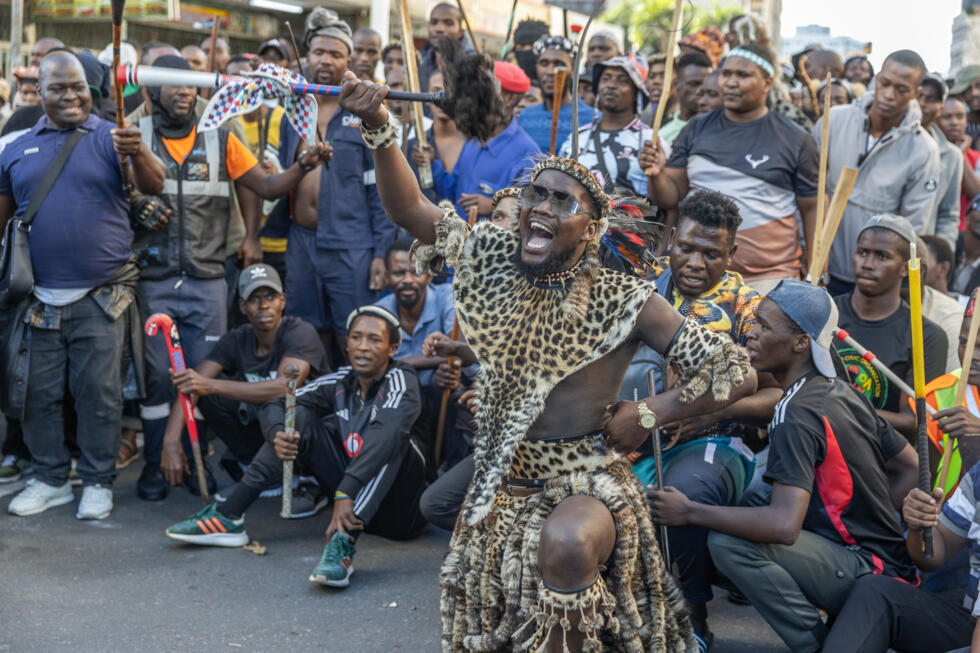
South Africa’s tourism sector is confronting a new setback after reports of anti-migrant protests and attacks against foreign nationals prompted travellers from several African countries to cancel planned visits. The developments have raised concerns that the country could suffer reputational damage at a time when tourism remains a critical driver of economic growth and job creation.
The reported cancellations come as South Africa seeks to strengthen its position as one of Africa’s most attractive travel destinations. Industry observers warn that incidents involving foreign nationals risk undermining years of successful marketing efforts designed to showcase the country as a welcoming destination for visitors from across the continent and beyond.
While tourism authorities have moved quickly to reassure travellers, the controversy highlights the delicate relationship between public perception and tourism demand, particularly in a sector where safety and hospitality are major factors influencing travel decisions.
Tourism Success Story Faces New Test
Over the past decade, South Africa has built a reputation as one of Africa’s tourism powerhouses. From its vibrant cities and cultural attractions to its world-renowned wildlife reserves and scenic coastlines, the country attracts millions of visitors each year.
That reputation has been reinforced by international recognition. In 2024, Cape Town was named Africa’s Leading City Destination at the World Travel Awards, further cementing its status as one of the continent’s most celebrated tourism hubs. The city continues to draw visitors with its combination of natural beauty, culinary experiences, historical landmarks, and adventure tourism offerings.
Other major urban centres have also strengthened South Africa’s tourism credentials. Durban remains a popular coastal destination known for its beaches and subtropical climate, while Johannesburg serves as a key gateway for business travellers and tourists exploring the region.
However, tourism experts caution that global recognition alone may not be enough to shield the sector from the consequences of negative headlines. Reports of attacks targeting foreign nationals can quickly influence traveller sentiment, especially among visitors from neighboring African countries.
Booking Cancellations Raise Economic Concerns
In a statement issued on May 28, South African Tourism confirmed that it had received reports of travel cancellations from several African markets following recent protests and incidents involving migrants in certain parts of the country.
The agency strongly condemned the violence and expressed concern about the impact such incidents could have on visitor confidence. Officials emphasized that the actions of a small group of individuals do not represent the attitudes or values of the majority of South Africans.
South African Tourism also sought to reassure prospective visitors that the country remains committed to providing a safe and welcoming environment for all travellers, regardless of their nationality or background.
Nevertheless, industry stakeholders remain concerned about the potential economic consequences.
Africa is South Africa’s largest tourism source market, accounting for a substantial share of international arrivals every year. Visitors from neighboring countries contribute significantly to spending across hotels, guesthouses, restaurants, retail outlets, transportation services, and tourism attractions.
As a result, even a modest decline in regional travel demand could have a noticeable impact on tourism revenues. Businesses that rely heavily on visitors from across the continent may be particularly vulnerable if concerns over safety persist.
Perception Can Be as Important as Reality
Tourism analysts frequently note that perception plays a crucial role in determining travel behavior. While incidents may be localized and involve only a small number of people, widespread media coverage can create broader concerns among potential visitors.
In today’s digital age, images and reports shared through social media often travel much faster than official statements. This can make it difficult for destinations to manage reputational risks once negative stories gain traction internationally.
For South Africa, this challenge is especially significant because regional travellers often have multiple destination options within Africa. If visitors perceive a destination as unwelcoming or unsafe, they may choose alternative locations for holidays, business trips, or family visits.
Industry leaders argue that maintaining a positive image requires more than marketing campaigns. It also depends on ensuring that visitors feel safe, respected, and welcomed throughout their stay.
Calls for Action to Protect Tourism Growth
The latest controversy has renewed calls for stronger measures to address xenophobia and anti-migrant sentiment. Business groups and tourism stakeholders have warned that recurring incidents involving foreign nationals risk harming not only South Africa’s international reputation but also one of its most important economic sectors.
Tourism contributes billions of rand to the national economy and supports thousands of jobs across a wide range of industries. Any prolonged decline in visitor confidence could therefore have consequences that extend well beyond the travel sector itself.
For now, tourism officials are working to contain the fallout and reassure international partners that South Africa remains open for business. Whether those efforts will be enough to reverse booking cancellations and restore confidence remains to be seen.
What is clear, however, is that the country’s tourism industry faces a critical test. Having spent years building a reputation as one of Africa’s leading destinations, South Africa must now navigate concerns over safety and inclusivity while protecting a sector that plays a vital role in the nation’s economic future. AI Warfare Is Here — And the U.S. Military Is Already Training for It | Maya