Explosions Across Lebanon, Drone Attacks in Kuwait, Shipping Threats in the Gulf: Middle East Tensions Escalate, August 1, 2026 — A series of military incidents across the Middle East has heightened regional tensions, with Israeli military operations in southern Lebanon, drone interceptions over Kuwait, a commercial tanker struck near Oman, and new claims by Yemen’s Houthi movement adding to an increasingly volatile security environment.
The developments come amid continued uncertainty across the region, where multiple fronts remain active and governments are closely monitoring the risk of further escalation.
Houthis Claim They Forced Saudi Ships to Change Course
Yemen’s Houthi movement announced that it had forced eight Saudi ships to alter their routes, describing the move as part of its ongoing maritime campaign. The group did not specify when the incidents occurred, provide evidence, or identify the vessels involved.
The claim has not been independently verified, but it underscores the continuing security concerns surrounding commercial shipping routes in the Red Sea and nearby waters. Shipping companies have increasingly adjusted routes and strengthened security measures as maritime threats continue to affect one of the world’s most important trade corridors.
Commercial Tanker Hit Near Oman
In another significant maritime incident, a commercial tanker was struck by an unknown projectile approximately 11 nautical miles northeast of Limah, Oman.
Authorities have not identified the source of the projectile, and details regarding damage to the vessel or possible casualties have not yet been released. Investigations are expected to determine whether the strike was linked to broader regional tensions or another security incident.
The attack once again highlights the fragile security situation around the Gulf, where commercial vessels continue to face elevated risks amid ongoing geopolitical rivalries.
Kuwait Says Air Defenses Intercept ‘Hostile Drones’
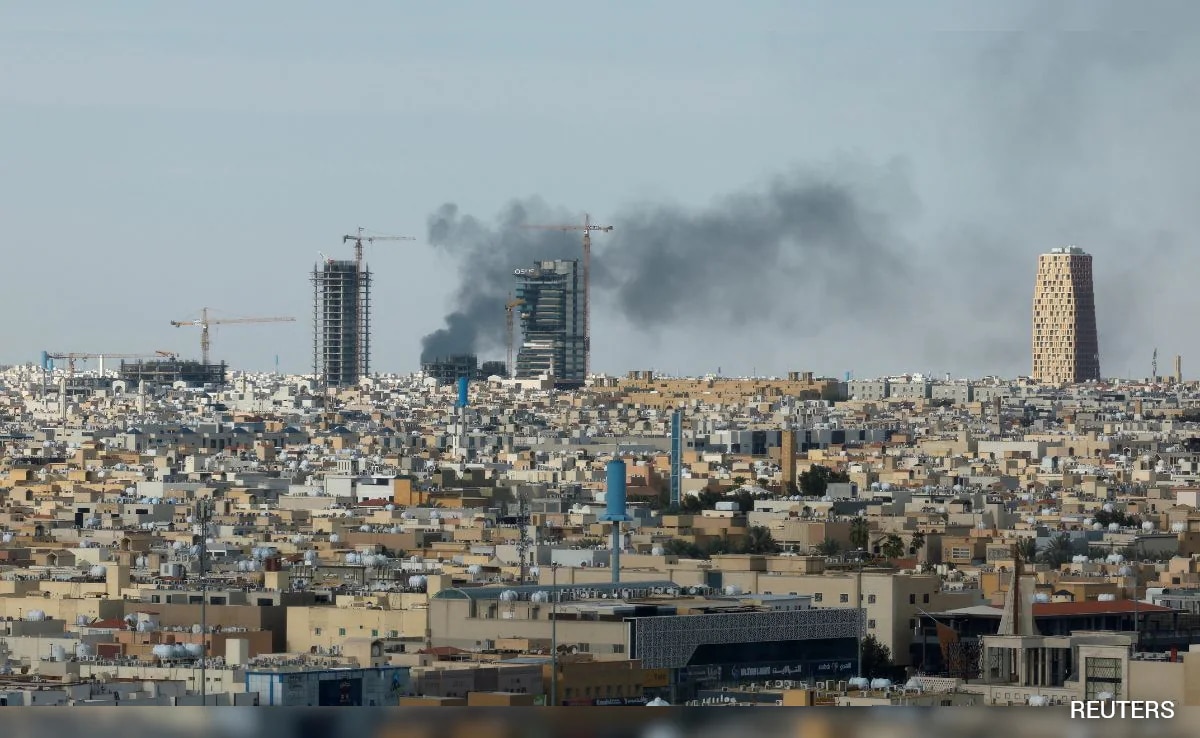
Meanwhile, the Kuwaiti army announced that its air defense systems were actively intercepting what it described as “hostile drone attacks.”
In an official statement, Kuwait blamed the incident on “Iranian aggression” and warned residents that any loud explosions heard across the country were likely the result of air defense systems destroying incoming drones.
The military did not immediately disclose how many drones were intercepted, whether any entered Kuwaiti airspace successfully, or if there was damage on the ground. Officials urged the public to remain calm while security forces continued monitoring the situation.
The reported interceptions represent one of the most serious security alerts issued by Kuwait in recent months.
Heavy Explosions Reported Across Southern Lebanon
At the same time, southern Lebanon experienced a night of intense military activity, according to Lebanon’s National News Agency (NNA).
The agency reported that powerful explosions echoed throughout villages and towns near the Israeli-imposed “Yellow Zone,” particularly around al-Mansouri, Majdal Zoun, and Haddatha.
The explosions reportedly continued from shortly after midnight into the morning, creating widespread concern among residents.
NNA also reported that Israeli forces carried out mechanized patrols along roads between Saf al-Hawa and Bint Jbeil, while heavy machine-gun fire was heard in several areas.
Residents described an atmosphere of heightened tension as military movements continued into the morning hours. Israeli authorities had not immediately commented on the reported overnight operations.
Iran Declares It ‘Won the War’
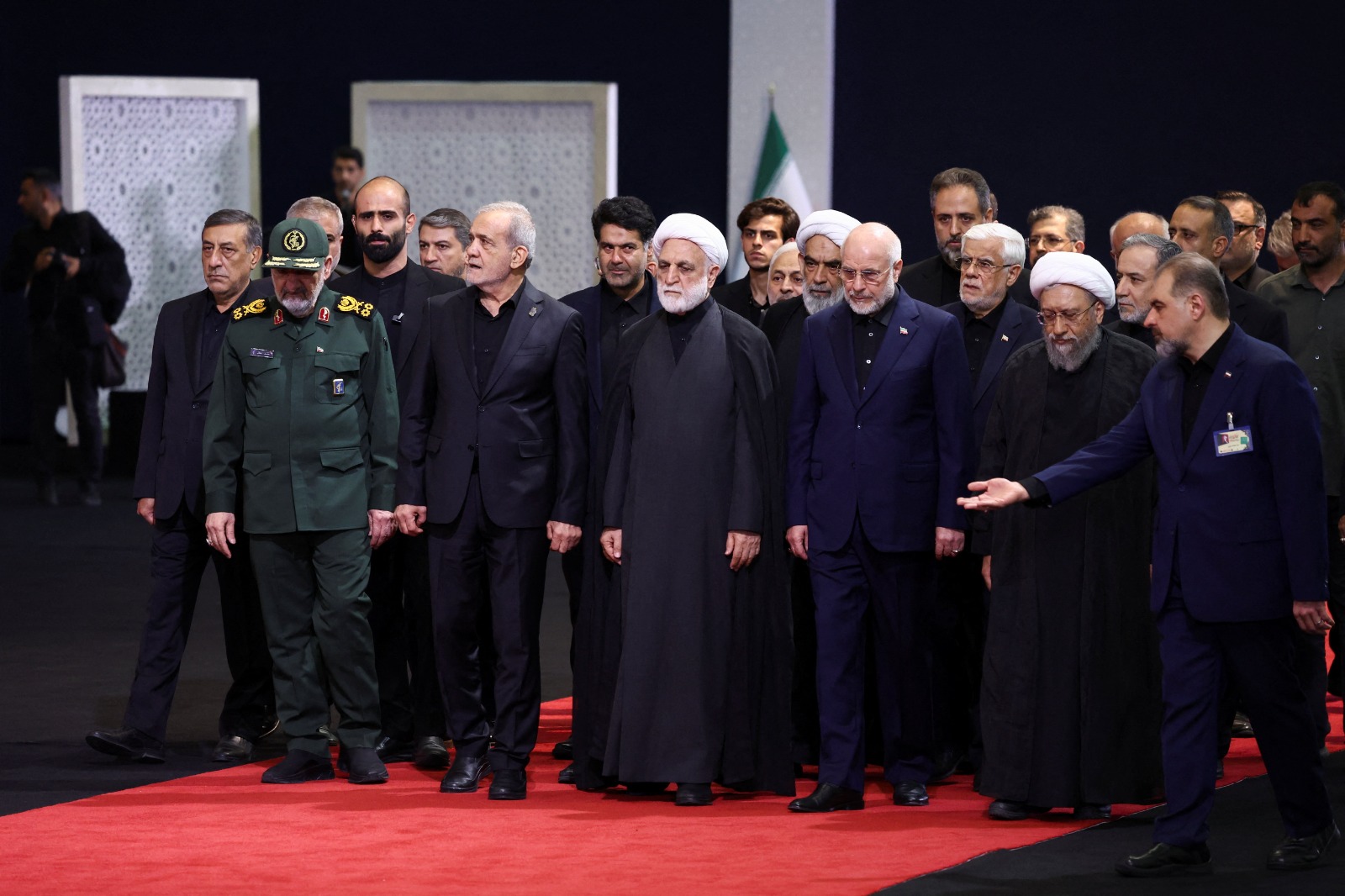
Adding another political dimension to the day’s developments, Iranian Parliament Speaker Mohammad Bagher Ghalibaf addressed the Iranian Parliament Coordination Council, declaring that Iran had “won the war” while emphasizing that the country must now focus on preserving long-term stability.
Ghalibaf argued that military success alone would not guarantee national strength. Instead, he said Iran must consolidate what he described as its achievements by strengthening governance and maintaining public confidence.
He also stressed that expanding the executive authority and capacity of Iran’s Supreme Leader should remain a priority in efforts to build a stronger nation.
His remarks reflect Tehran’s continued emphasis on projecting confidence while preparing for potential long-term strategic challenges across the region. Producer Sues Netflix for $105 Million After Unreleased Nicolas Cage Movie Goes Missing | Maya
Regional Security Remains Under Pressure
Taken together, today’s developments illustrate how multiple security flashpoints continue to shape the Middle East.
Maritime threats in the Gulf, drone activity over Kuwait, military operations along the Israel-Lebanon border, and competing political narratives from regional powers all point to an increasingly complex security landscape.
While several claims—including the Houthis’ statement regarding Saudi shipping—have yet to be independently verified, governments throughout the region remain on heightened alert as they monitor the evolving situation.
With commercial shipping, border security, and regional military operations all under close scrutiny, analysts warn that any additional incident could further increase tensions in an already fragile environment.