Zelenskyy Proposes Face-to-Face Meeting with Putin to End War
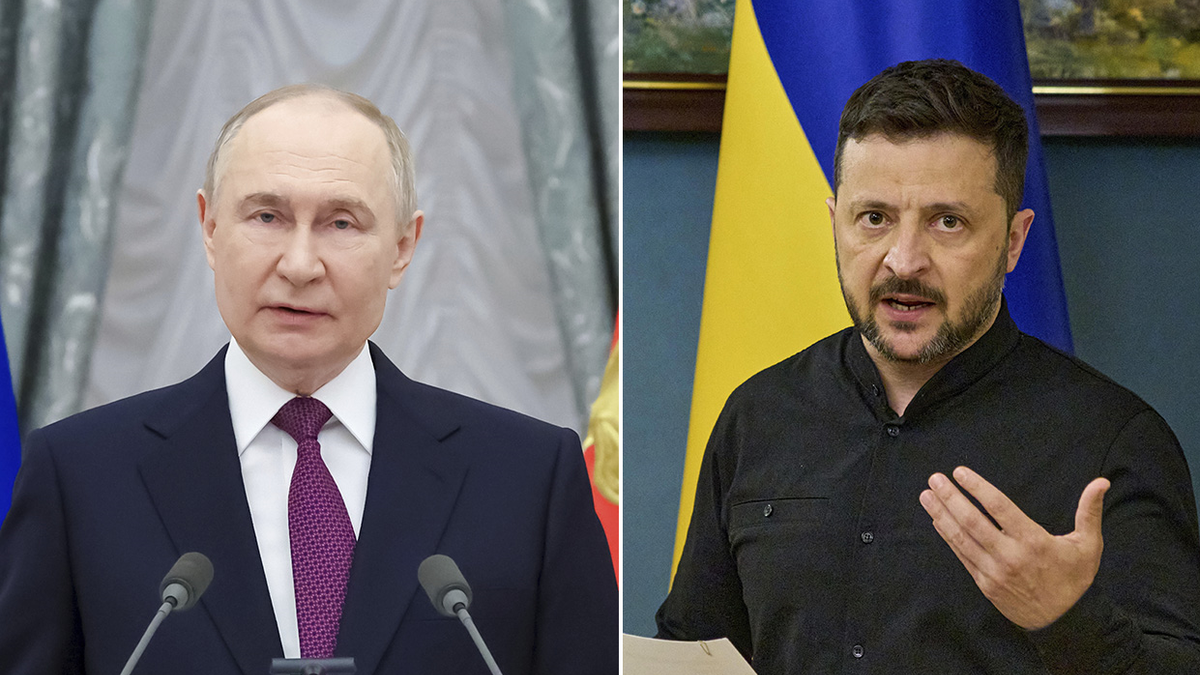
Ukrainian President Volodymyr Zelenskyy has made a fresh push for diplomacy, publicly inviting Russian President Vladimir Putin to engage in direct talks aimed at ending the prolonged conflict between the two nations.
The proposal came through an open letter addressed to Putin, marking a rare and significant outreach from Kyiv as the war continues into its fifth year. The message, which combines criticism of Russia’s actions with an appeal for negotiations, reflects Ukraine’s efforts to explore diplomatic options while fighting continues on the battlefield.
“I am proposing a meeting,” Zelenskyy wrote, calling for direct engagement between the two leaders in hopes of finding a path toward peace.
The letter is being viewed as one of the most notable diplomatic gestures from Ukraine in recent months, arriving at a time when military developments, shifting global priorities, and geopolitical uncertainty are reshaping the course of the war.
A Direct Appeal to the Kremlin
In his message, Zelenskyy urged Putin to consider personal negotiations instead of allowing the conflict to drag on indefinitely. The Ukrainian leader argued that millions of lives have been affected by the war and that leaders on both sides should seek solutions that could reduce suffering and bring stability to the region.
While extending the invitation, Zelenskyy also criticized Putin’s lengthy tenure in power, blaming Moscow for the destruction caused by the conflict and questioning Russia’s continued military strategy.
The letter represents the first publicly known direct written appeal from Zelenskyy to Putin since Russia launched its full-scale invasion of Ukraine in February 2022.
Diplomatic contacts between officials from both countries have taken place sporadically over the years, but a direct meeting between the two presidents has remained out of reach amid deep political divisions and ongoing hostilities.
By making the invitation public, Kyiv appears to be placing the spotlight on Moscow’s response while reinforcing its own willingness to engage in dialogue.
Global Priorities Are Shifting
The timing of Zelenskyy’s proposal is particularly noteworthy.
In the letter, the Ukrainian president acknowledged that international attention has increasingly shifted toward crises beyond Eastern Europe. He specifically referenced changing priorities in Washington, suggesting that Ukraine cannot simply wait for the United States to refocus its full attention on the conflict.
With the Trump administration devoting significant attention to tensions involving Iran and the broader Middle East, Zelenskyy signaled that Ukraine must continue seeking diplomatic opportunities on its own terms.
The comments reflect growing concerns within Kyiv that global events could reduce the level of attention and support Ukraine receives from key allies.
Since the start of the war, Western military assistance and diplomatic backing have played a crucial role in Ukraine’s defense efforts. However, the international landscape has become increasingly complex, prompting Ukrainian leaders to adapt their strategy accordingly.
Analysts believe the open letter serves not only as an appeal to Moscow but also as a message to international partners that Ukraine remains committed to pursuing all available avenues toward a resolution.
New Battlefield Dynamics
The diplomatic initiative comes amid evolving conditions on the battlefield.
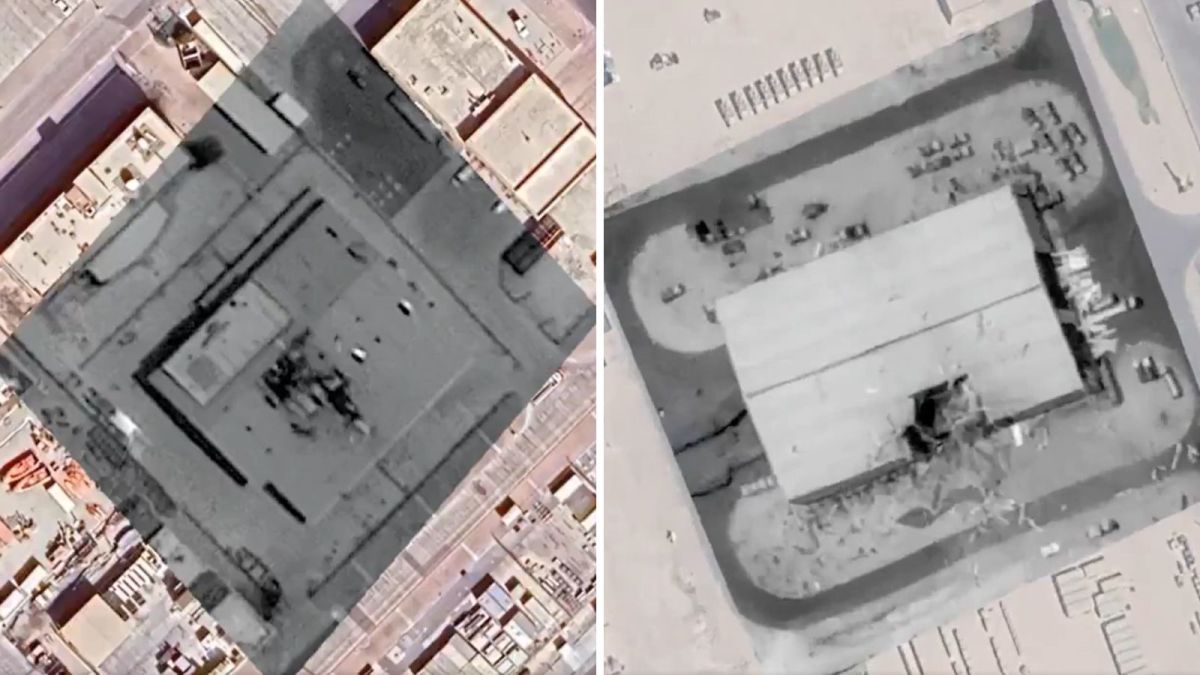
Over the past year, Ukraine has significantly expanded its use of long-range drones and precision strike technologies capable of reaching targets far inside Russian territory. These operations have become an increasingly important component of Kyiv’s military strategy.
Recent Ukrainian drone attacks have demonstrated an ability to disrupt military infrastructure, logistical networks, and strategic facilities deep within Russia, creating new challenges for Moscow’s defense planners.
The growing effectiveness of these strikes has provided Ukraine with a degree of leverage despite continuing difficulties on the front lines.
Military experts note that advances in drone warfare have altered the character of the conflict, allowing both sides to conduct operations far beyond traditional combat zones.
For Ukraine, these capabilities have become especially important as it seeks ways to counter Russia’s larger military resources.
Russia Intensifies Air Campaign
While Ukraine has expanded its long-range strike operations, Russia has continued to increase pressure through aerial attacks.
Cities across Ukraine remain vulnerable to missile and drone strikes targeting energy facilities, transportation networks, and civilian infrastructure. The attacks have caused casualties and contributed to ongoing challenges for communities already strained by years of conflict.
Moscow’s strategy appears aimed at weakening Ukraine’s resilience while maintaining pressure across multiple sectors of the battlefield.
The escalation has reinforced concerns among Ukrainian officials about the need for stronger air-defense systems and continued international military support.
Despite facing these challenges, Kyiv has continued to develop innovative methods of striking back, particularly through its expanding drone program.
Kremlin Focuses on Air Defenses
Russia has acknowledged the growing threat posed by Ukrainian drone operations.
Speaking during a public appearance on Thursday, Putin stated that Russia would strengthen its air-defense capabilities to better counter attacks targeting locations deep inside the country.
The announcement followed a series of Ukrainian drone strikes that reached regions far from the front lines and generated increased attention within Russia.
Some of the attacks occurred near strategically important areas, highlighting vulnerabilities in Russia’s defensive network and prompting renewed efforts to improve aerial protection systems.
The issue gained additional significance as Russia hosted major economic events intended to showcase stability and confidence despite ongoing sanctions and wartime pressures.
Russian authorities have repeatedly emphasized the need to upgrade interception technologies and improve responses to increasingly sophisticated drone threats.
Obstacles to Peace Remain
Although Zelenskyy’s proposal has attracted global attention, major barriers continue to stand in the way of meaningful negotiations.
Ukraine and Russia remain deeply divided on fundamental issues, including territorial control, security arrangements, reconstruction efforts, and the future political status of occupied regions.
Kyiv continues to insist that any settlement must respect Ukraine’s sovereignty and internationally recognized borders, while Moscow has maintained its own strategic objectives.
These disagreements have repeatedly complicated previous attempts to reach a breakthrough.
Political analysts suggest that even if direct talks were to occur, expectations for immediate results should remain cautious given the scale and complexity of unresolved disputes.
Nevertheless, some experts argue that establishing direct communication channels between leaders could help reduce tensions and create opportunities for future diplomatic progress.
World Watches Moscow’s Response
The international community is now closely monitoring how the Kremlin reacts to Zelenskyy’s invitation.
European governments and Western allies have consistently expressed support for efforts aimed at securing a lasting peace, while emphasizing that any agreement must be acceptable to Ukraine.
By publicly calling for a face-to-face meeting, Zelenskyy has effectively placed the next move in Moscow’s hands.
Whether the proposal leads to a summit, sparks renewed diplomatic engagement, or is ultimately rejected remains uncertain.
What is clear, however, is that the Ukrainian leader’s appeal has introduced a fresh diplomatic dimension to a conflict that has largely been defined by military escalation and entrenched positions.
As the war enters another critical stage, the prospect of direct talks between Zelenskyy and Putin has once again raised questions about whether diplomacy can eventually succeed where years of fighting have failed. Canada Faces Fresh Tariff Threat as U.S. Questions Forced Labour Enforcement | Maya