
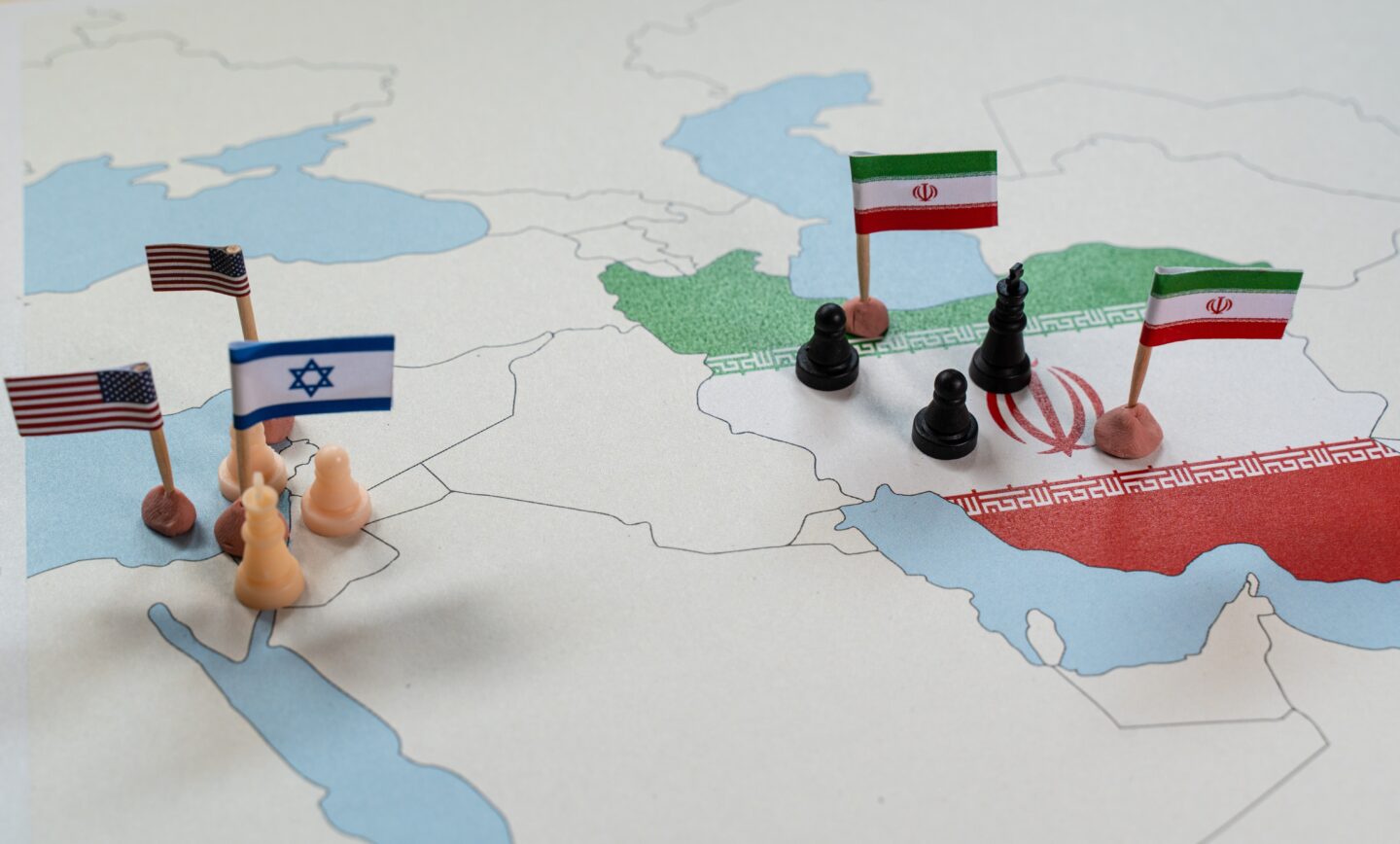
Can Diplomacy Survive the Latest Israel-Iran Escalation? The Middle East once again finds itself standing at a dangerous crossroads. Just weeks after hopes emerged that diplomacy might cool tensions between Israel and Iran, a fresh exchange of military strikes has raised fears that the region could be sliding back toward a broader conflict.
The latest crisis began after Israel carried out strikes in Beirut’s southern suburbs, an area long associated with Hezbollah. The attack triggered a swift response from Iran, which launched ballistic missiles toward northern Israel. Although Israeli authorities reported that the missiles were either intercepted or landed in open areas, the symbolic significance of the strike was unmistakable: the fragile calm that had followed an earlier ceasefire was rapidly unraveling.
What happened next may prove even more consequential. Despite public appeals from U.S. President Donald Trump urging restraint and warning against further escalation, Israel reportedly launched airstrikes against targets in central and western Iran. The move signaled that military calculations on the ground were overtaking diplomatic efforts behind the scenes.
The immediate question facing world leaders is no longer whether tensions are rising. It is whether diplomacy still has enough influence to prevent a wider regional confrontation.
For months, negotiations involving Washington and Tehran had been inching forward. The talks were far from smooth, but both sides appeared to recognize the enormous risks associated with a direct military confrontation. Diplomatic channels remained open despite disagreements over sanctions, regional security arrangements, and Iran’s strategic ambitions.
Yet those negotiations have repeatedly collided with developments elsewhere in the region, particularly in Lebanon. Tehran has argued that conflicts involving Hezbollah cannot be separated from broader discussions about regional security. Israeli officials, meanwhile, insist that attacks launched by Hezbollah require a military response regardless of ongoing diplomatic initiatives.
The result has been a cycle in which progress at the negotiating table is repeatedly threatened by events on the battlefield.
The recent exchange demonstrates how quickly that cycle can spiral. Israel’s strike in Beirut was presented as a response to security threats originating from Hezbollah. Iran then responded with missile launches against Israel, framing its action as retaliation. Israel subsequently expanded the confrontation by targeting locations inside Iran itself.
Each step was justified by the actors involved as a response to the previous action. Yet every response also created the conditions for the next escalation.
This pattern has become one of the defining features of modern Middle Eastern conflicts. Military actions are rarely isolated events. Instead, they form part of a chain reaction in which deterrence, retaliation, and political messaging become deeply intertwined.
What makes the current crisis especially significant is the apparent divergence between Washington and Jerusalem. Reports suggest that Trump personally urged Israeli Prime Minister Benjamin Netanyahu to avoid immediate retaliation against Iran. According to those reports, the American administration feared that another round of strikes could jeopardize ongoing diplomatic efforts.
The fact that Israeli operations reportedly proceeded despite those appeals highlights a longstanding reality in U.S.-Israeli relations. Although the two countries remain close allies, their strategic priorities do not always align perfectly.
Washington’s immediate objective appears to be preserving a path toward a broader agreement with Tehran. Such a deal could potentially reduce regional tensions, protect global energy markets, and prevent further military escalation.
Israel, however, often evaluates threats through a different lens. Israeli leaders have consistently argued that waiting for diplomacy to produce results can create security vulnerabilities. From their perspective, military action is sometimes necessary to prevent adversaries from gaining strategic advantages.
This difference in approach does not necessarily indicate a breakdown in the alliance. But it does reveal the limits of American influence when Israeli leaders believe their security interests are directly at stake.
The consequences extend far beyond Israel and Iran.
Across the Gulf, governments are closely monitoring developments with growing concern. Reports of missile alerts in Saudi Arabia and renewed activity involving Yemen’s Houthi movement underscore the risk that additional actors could become involved. Even if governments seek to avoid direct participation, miscalculations or unintended incidents could draw them into the crisis.
Regional conflicts rarely remain confined to their original participants. The Middle East has repeatedly demonstrated how quickly local confrontations can evolve into broader geopolitical struggles involving multiple states and armed groups.
Economic markets have already reacted to the uncertainty. Oil prices surged as traders assessed the possibility of disruptions to regional energy supplies and transportation routes. For economies heavily dependent on imported energy, sustained instability could translate into higher inflation, slower growth, and increased financial volatility.
The impact would not be limited to the Middle East. Global energy markets remain highly sensitive to developments in the region, which continues to play a central role in international oil production and transportation.
At the same time, political leaders face difficult choices.
If Washington pushes too aggressively for de-escalation, it risks appearing unable to influence events. If it supports military responses too strongly, it could undermine the very negotiations it hopes to preserve.
Iran faces its own dilemma. A restrained response could be interpreted domestically and regionally as weakness. Yet a more aggressive approach risks triggering a larger military confrontation with potentially devastating consequences.
Israel likewise confronts competing pressures. Demonstrating military strength may reinforce deterrence, but continued escalation increases the likelihood of a prolonged conflict involving multiple fronts.
Diplomacy, meanwhile, operates under increasingly difficult conditions. Negotiators cannot simply ignore events unfolding on the ground. Every missile launch, airstrike, or military threat alters political calculations and narrows the space for compromise.
Yet history suggests that diplomacy often becomes most necessary precisely when military tensions are highest.
Many of the Middle East’s most important agreements emerged not during periods of calm but after moments of intense confrontation. The challenge is convincing all parties that the costs of escalation outweigh the perceived benefits of continuing the cycle of retaliation.
Whether that remains possible is uncertain.
The latest exchange between Israel and Iran demonstrates how fragile diplomatic progress can be. Months of negotiations can be endangered within hours by developments on the battlefield. Trust, already scarce, becomes even harder to sustain when each side believes the other is acting in bad faith.
Still, diplomacy remains the only realistic path toward long-term stability. Military actions can alter tactical realities, but they rarely resolve the underlying political disputes that fuel conflict. Without a diplomatic framework capable of addressing security concerns, regional rivalries, and competing strategic interests, the cycle is likely to continue.
The question is no longer whether the Middle East faces another dangerous moment. It clearly does.
The real question is whether leaders in Washington, Jerusalem, Tehran, and across the region can prevent that moment from becoming a much larger war. The answer may determine not only the future of current negotiations but also the broader stability of one of the world’s most volatile regions. Could AI End Up Drinking More Water Than 8 Billion People? | Maya


