Can Direct Talks Finally End the Russia-Ukraine War? Europe Pushes for a New Diplomatic Path: After more than four years of devastating conflict, Europe’s leading powers are once again attempting to revive diplomacy between Russia and Ukraine. In a significant show of unity, the leaders of the United Kingdom, France, and Germany have endorsed Ukrainian President Volodymyr Zelenskyy’s proposal for direct negotiations with Russia, raising fresh hopes that a pathway toward peace may still exist despite years of bloodshed and political deadlock.
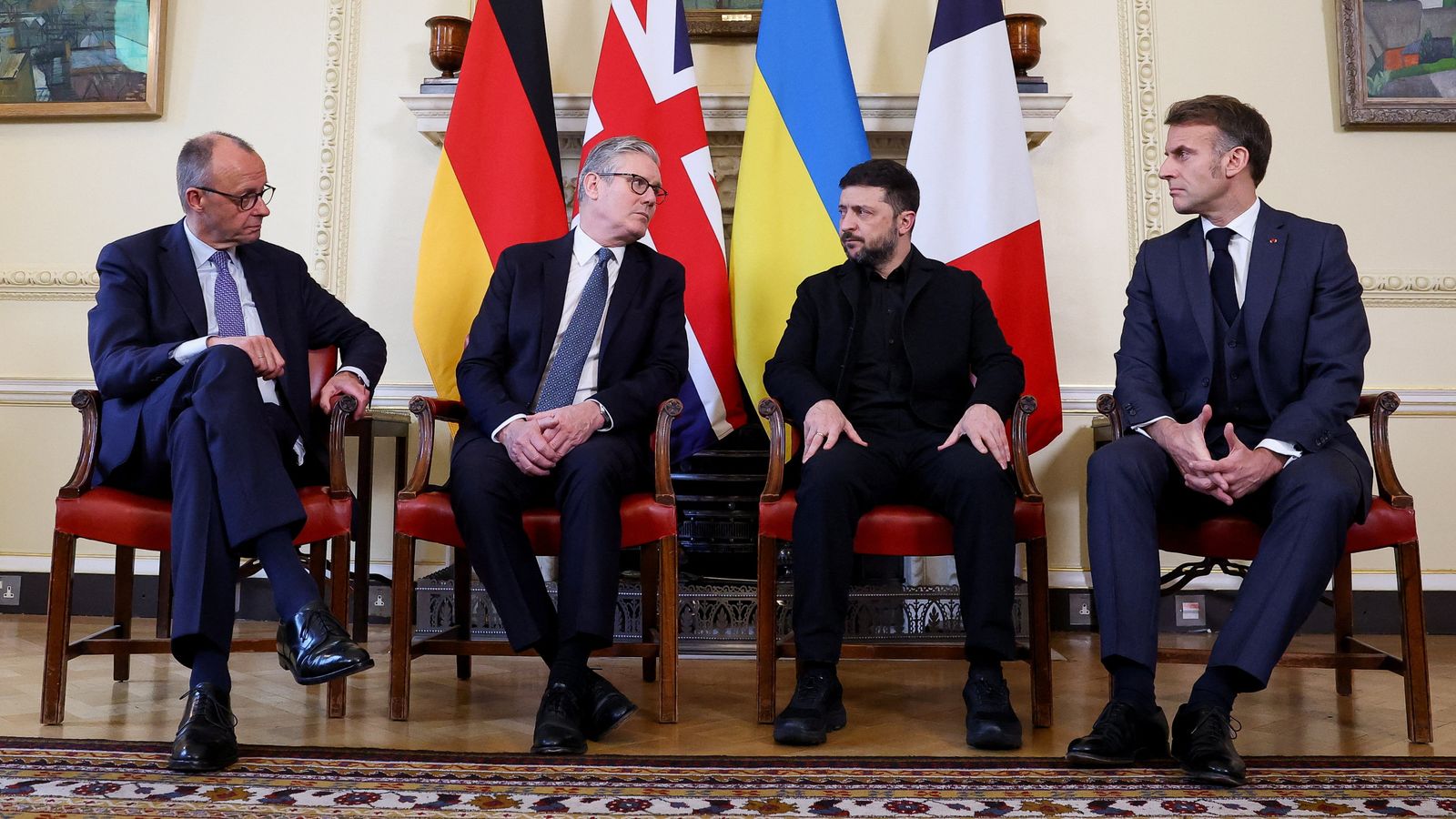
The proposal emerged following high-level discussions in London, where Zelenskyy met with British Prime Minister Keir Starmer, French President Emmanuel Macron, and German Chancellor Friedrich Merz. The gathering reflected growing concern among European leaders that the war has entered a dangerous phase, with neither side achieving a decisive breakthrough and civilian suffering continuing to mount.
At the heart of the discussions was a shared belief that direct dialogue between Kyiv and Moscow, supported by both European nations and the United States, offers the best chance of securing a ceasefire and laying the groundwork for future peace negotiations.
The joint statement issued after the meeting underscored the urgency of restarting meaningful diplomatic engagement. While military support for Ukraine remains a priority, European leaders increasingly recognize that battlefield developments alone are unlikely to produce a lasting resolution.
A Renewed Push for Diplomacy
President Zelenskyy’s call for direct talks marks one of the most ambitious diplomatic initiatives seen in recent months. In an open letter, he proposed a face-to-face meeting with Russian President Vladimir Putin, arguing that direct engagement could help break the political stalemate that has prolonged the war.
The proposal immediately attracted international attention because personal meetings between the two leaders have become increasingly rare as hostilities intensified. Supporters believe such talks could create an opportunity to address core issues directly, including territorial disputes, security guarantees, prisoner exchanges, and ceasefire arrangements.
However, Moscow’s response was far from encouraging.
President Putin dismissed the suggestion, stating that he saw little value in a meeting before significant progress had been made toward a comprehensive peace agreement. His comments reflected Russia’s long-standing position that negotiations should focus first on substantive terms rather than symbolic diplomatic encounters.
Despite the rejection, European leaders remain determined to keep diplomatic channels open.
The backing of Britain, France, and Germany sends a clear message that Europe believes dialogue remains possible, even if the prospects appear uncertain today.
The Importance of the Current Front Line
One of the most notable elements of the European proposal is the suggestion that the existing battlefield positions should serve as the starting point for negotiations.
The idea does not necessarily imply permanent acceptance of territorial realities created by war. Rather, it acknowledges that any meaningful ceasefire would likely need to begin with the military situation as it currently exists.
European leaders also emphasized a principle that has guided Western policy since the conflict escalated: international borders should not be altered through the use of force.
This remains one of the most difficult issues facing negotiators. Ukraine insists that its sovereignty and territorial integrity must be preserved, while Russia continues to maintain control over territories it regards as strategically important.
Bridging this divide will be one of the greatest challenges confronting any future peace process.
Military Pressure Continues to Shape Diplomacy
Even as leaders discuss negotiations, the war itself shows little sign of slowing.
Russia has continued launching large-scale missile and drone attacks against Ukrainian cities and infrastructure. European leaders strongly condemned these strikes, highlighting their devastating impact on civilians and critical facilities.
Particular concern has focused on Russia’s use of advanced missile systems, including the Oreshnik missile, which has become a symbol of Moscow’s ability to strike deep inside Ukrainian territory.
For Ukraine, the constant threat from missile and drone attacks has reinforced the urgent need for stronger air defenses.
Diplomacy may be the long-term goal, but military survival remains the immediate priority.
Kyiv has repeatedly urged its Western partners to accelerate deliveries of ammunition, interceptor missiles, and air defense systems. Ukrainian officials argue that stronger defenses are essential not only for protecting civilians but also for improving the country’s position in any future negotiations.
Europe’s Expanding Security Role
The London meeting also highlighted a broader transformation taking place within European security policy.
Since the beginning of Russia’s full-scale invasion in 2022, European nations have gradually assumed a larger role in supporting Ukraine. The United Kingdom, France, and Germany have emerged as some of Kyiv’s most influential backers, providing military assistance, financial aid, intelligence cooperation, and diplomatic support.
The three countries have increasingly coordinated their strategies, creating what many analysts describe as a more unified European approach to the conflict.
Their latest discussions focused not only on diplomacy but also on strengthening defense capabilities across the continent.
Leaders called for an expansion of interceptor missile production and deeper cooperation in developing anti-ballistic missile systems and long-range strike capabilities.
This reflects a growing realization that Europe must enhance its own defense readiness while continuing to support Ukraine.
The war has fundamentally reshaped Europe’s security landscape, pushing governments to invest more heavily in military preparedness than at any point since the Cold War.
Could AI End Up Drinking More Water Than 8 Billion People? | Maya
The Role of the United States
Although Europe has taken a more prominent role, the United States remains central to any potential peace process.
The joint statement specifically referenced the importance of active American participation in future negotiations. Washington continues to possess significant diplomatic influence, military resources, and leverage over the broader strategic environment surrounding the conflict.
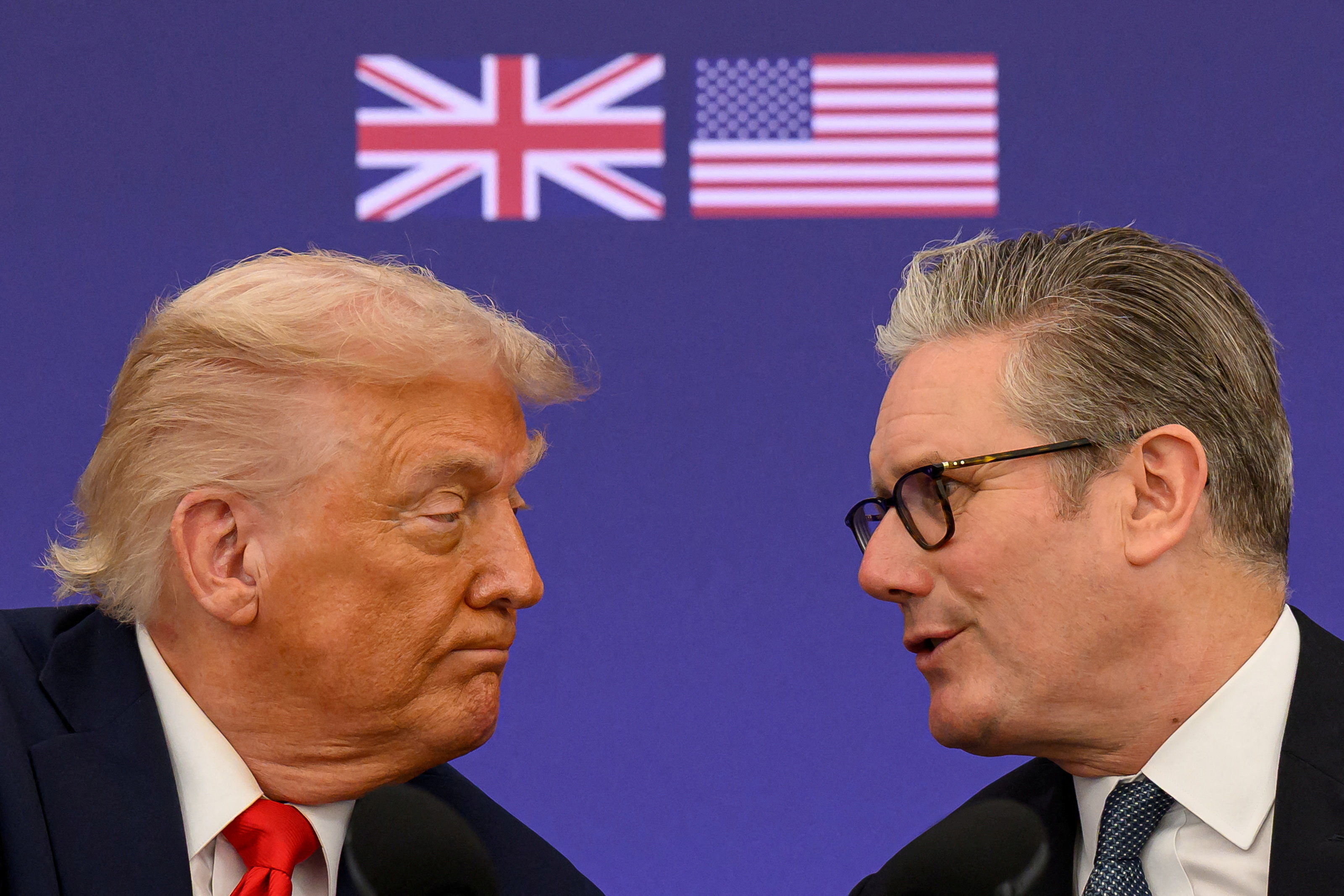
European leaders understand that a sustainable settlement will likely require close coordination between both sides of the Atlantic.
At the same time, they appear eager to demonstrate that Europe is prepared to take greater responsibility for managing security challenges on its own continent.
This balancing act—maintaining American involvement while strengthening European leadership—has become a defining feature of the current diplomatic strategy.
Can Peace Efforts Succeed?
The path toward peace remains extraordinarily difficult.
Years of warfare have deepened mistrust between Moscow and Kyiv. Thousands of lives have been lost, millions have been displaced, and vast areas have suffered extensive destruction.
Political positions have also hardened. Ukraine remains determined to defend its sovereignty, while Russia continues to pursue objectives that many Western governments view as incompatible with international law.
Yet history offers an important lesson: many of the world’s longest and most bitter conflicts eventually ended through negotiations that once seemed impossible.
The latest initiative from Britain, France, Germany, and Ukraine does not guarantee success. Direct talks may never materialize, and even if they do, reaching meaningful agreements will require enormous compromises and political courage from all sides.
Nevertheless, the proposal represents an acknowledgment that military solutions alone are unlikely to bring lasting peace.
As the war enters another year, diplomacy may not offer certainty, but it remains the most realistic route toward ending one of the most consequential conflicts of the twenty-first century.
Whether Russia and Ukraine ultimately choose that path remains the defining question facing Europe—and the world.