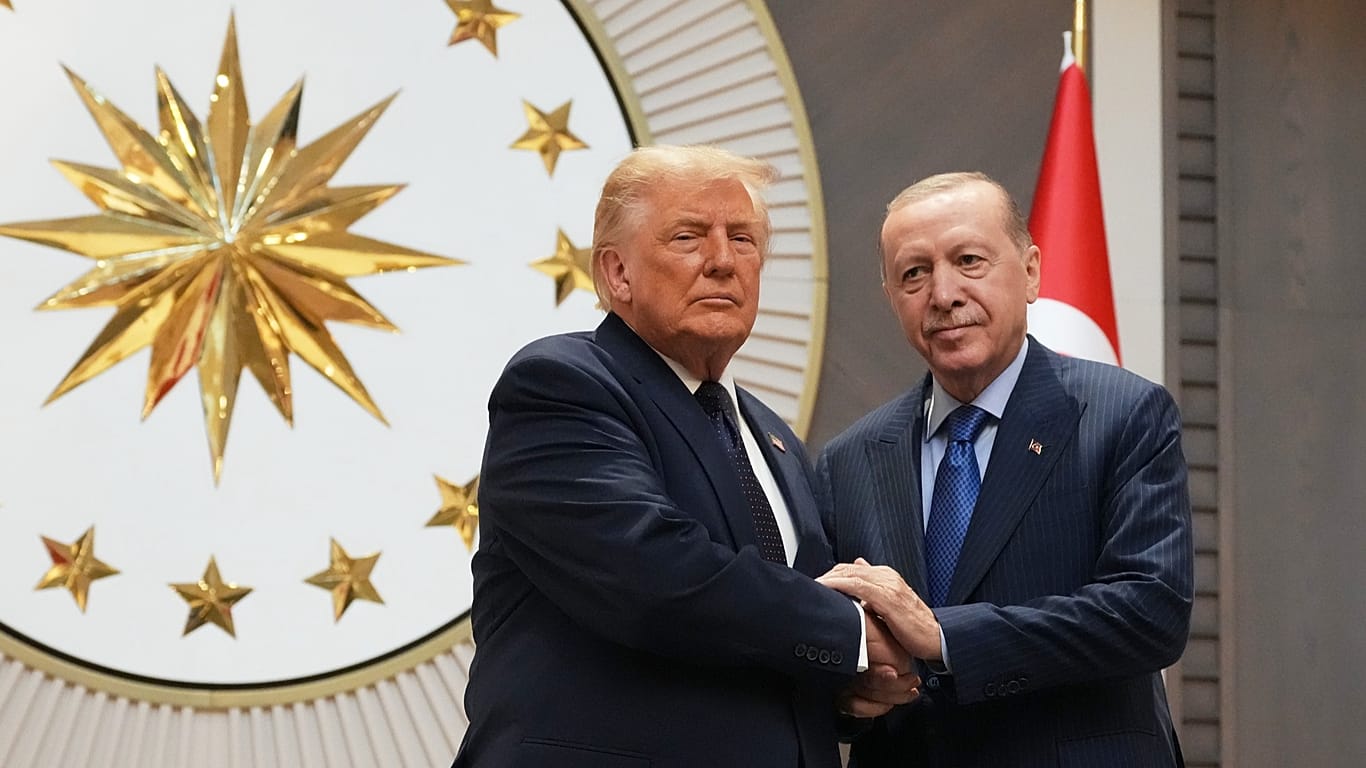
NATO Summit Opens Under Shadow of Trump-Iran Rift and Alliance Divisions- The annual NATO summit opened in Ankara on Wednesday with transatlantic unity facing one of its toughest tests in recent years, as U.S. President Donald Trump arrived in Turkey amid mounting tensions with Iran and renewed criticism of America’s European allies.
The two-day gathering comes one year after NATO members pledged to increase defense and security spending to 5% of their Gross Domestic Product (GDP), a commitment secured under sustained pressure from Trump. While the alliance has made progress on military investment, the escalating crisis in the Strait of Hormuz has exposed fresh divisions over burden-sharing, Middle East policy, and the future direction of NATO.
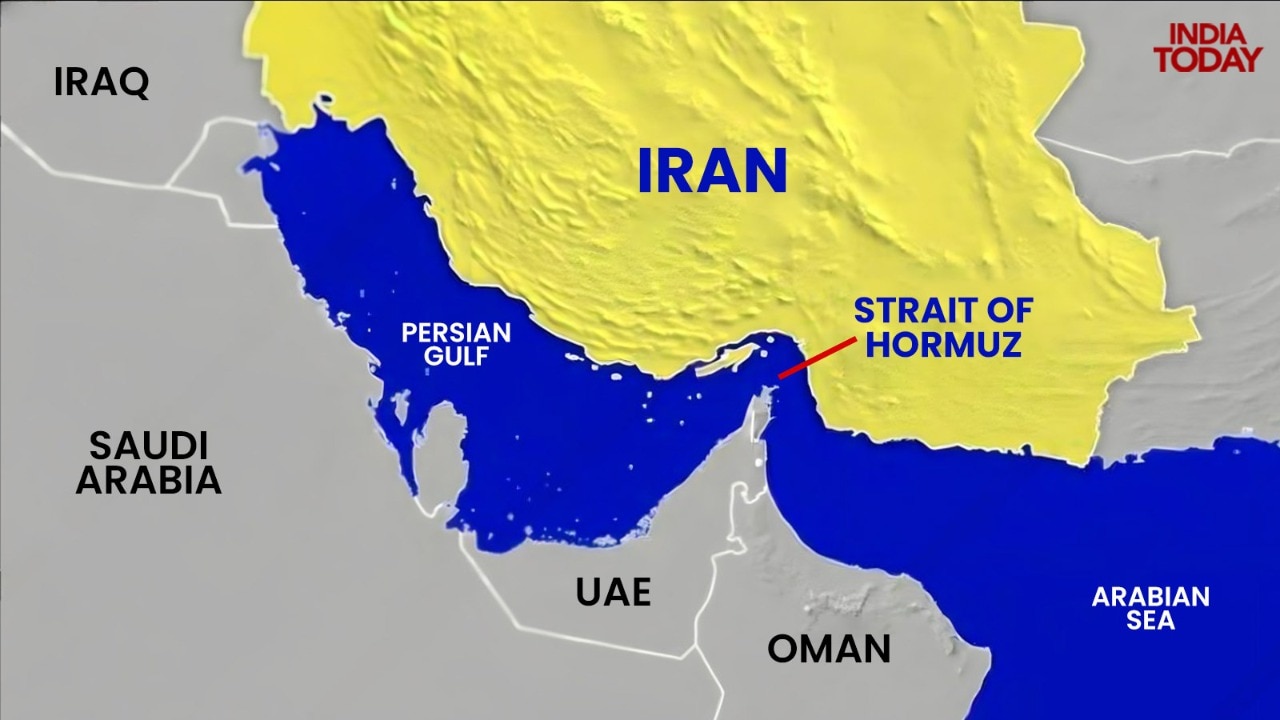
Trump’s arrival in Ankara comes just days after the United States launched military strikes on Iranian targets, following attacks on commercial vessels transiting the Strait of Hormuz. The confrontation has rapidly become the dominant geopolitical issue confronting NATO leaders, overshadowing discussions on long-term defense modernization and deterrence.
The U.S. president has defended Washington’s military response as necessary to protect international shipping and maintain freedom of navigation through one of the world’s most strategically important waterways.
At the same time, Trump has publicly criticized several European allies, accusing them of offering insufficient support as tensions with Iran escalate. His remarks have revived longstanding debates within the alliance over burden-sharing and the extent of Europe’s contribution to collective security.
Last year’s landmark commitment to raise defense expenditure to 5% of GDP represented one of the most ambitious military investment goals in NATO’s history. Although several member states have accelerated defense budgets over the past year, implementation remains uneven, with many governments still facing domestic political and fiscal challenges.
Trump has consistently argued that European allies should shoulder a greater share of collective defense responsibilities, maintaining that the United States has carried a disproportionate burden for decades. The Ankara summit is expected to review progress toward those spending targets while assessing NATO’s readiness to respond to emerging security threats.
Beyond defense spending, the rapidly deteriorating security environment in the Middle East is expected to dominate closed-door discussions. The latest attacks near the Strait of Hormuz have heightened concerns over global energy security, protection of commercial shipping, regional military escalation, NATO’s role beyond Europe, and coordination among alliance members.
Several European governments have urged restraint and diplomatic engagement, while Washington has emphasized deterrence and military readiness following Iranian-linked attacks on commercial vessels. These differing approaches underline the broader challenge facing NATO as it seeks to maintain unity amid an increasingly complex global security landscape.
As summit host, Turkey occupies a unique position within the alliance. A NATO member with significant diplomatic and economic ties across the Middle East, Ankara has often positioned itself as both a regional power and a potential mediator during periods of heightened tension. Its geographic location, bordering key conflict zones and controlling access to the Black Sea through the Turkish Straits, reinforces its strategic importance as NATO confronts simultaneous crises in both Europe and West Asia.
The Ankara meeting was originally expected to focus primarily on defense investment, military modernization, and long-term alliance planning. Instead, the deteriorating U.S.-Iran confrontation has transformed the summit into an urgent forum for crisis management. Leaders are expected to discuss not only collective defense commitments but also how NATO should respond if instability in the Gulf begins to threaten global trade, energy markets, or the security interests of member states.
The summit also comes at a time when the alliance is navigating multiple strategic challenges, including the war in Ukraine, competition with China, cyber threats, and instability across the Middle East. The Iran crisis has added another layer of complexity, forcing NATO members to balance support for maritime security with efforts to prevent a broader regional conflict.
As leaders continue discussions in Ankara, the alliance faces the difficult task of preserving transatlantic unity while responding to rapidly evolving geopolitical realities. Whether NATO can present a coordinated approach to the escalating Gulf crisis may prove to be one of the summit’s most consequential outcomes, shaping not only alliance cohesion but also the broader international response to mounting tensions in West Asia. Will AI Replace Jobs? Why Tech CEOs Are Changing Their View | Maya