Strait of Hormuz Tensions Surge as Tanker Attacks Prompt U.S. to Reimpose Iran Oil Sanctions- A fragile truce between the United States and Iran has unraveled after a series of attacks on commercial vessels near the Strait of Hormuz, prompting Washington to revoke a sanctions waiver that had allowed Tehran to resume limited oil sales under a recent diplomatic agreement.
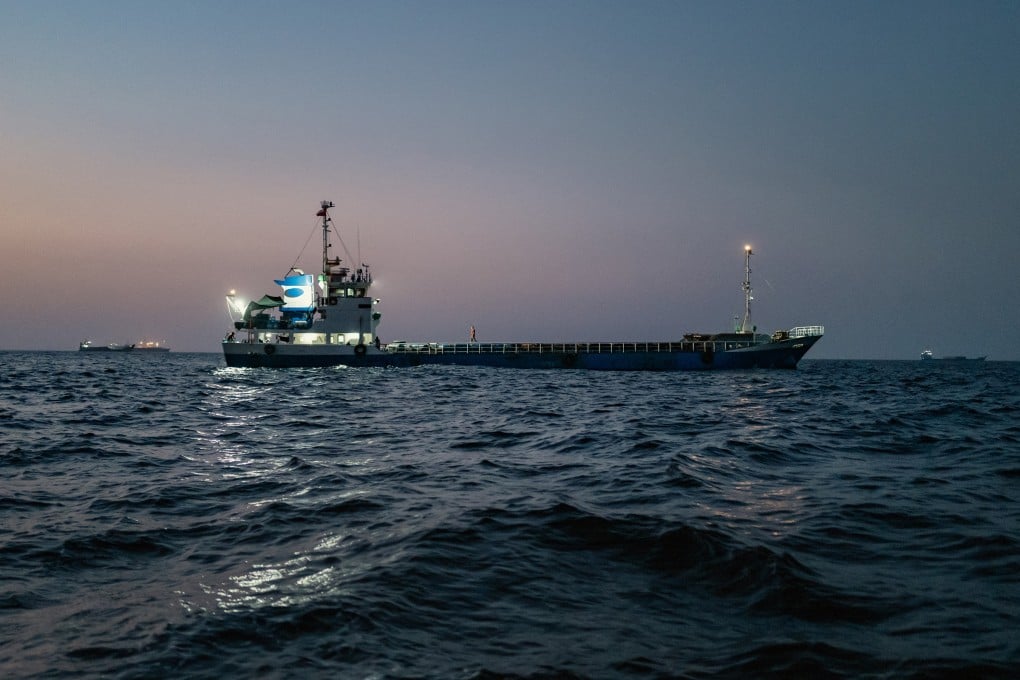
The latest escalation comes after a Qatari liquefied natural gas (LNG) tanker was left at risk of exploding, while a Saudi crude oil tanker sustained damage in attacks that U.S. officials attribute to Iran. The incidents have reignited fears over the security of one of the world’s most strategically important maritime corridors and raised fresh concerns about global energy supplies.
White House Revokes Iran Oil License
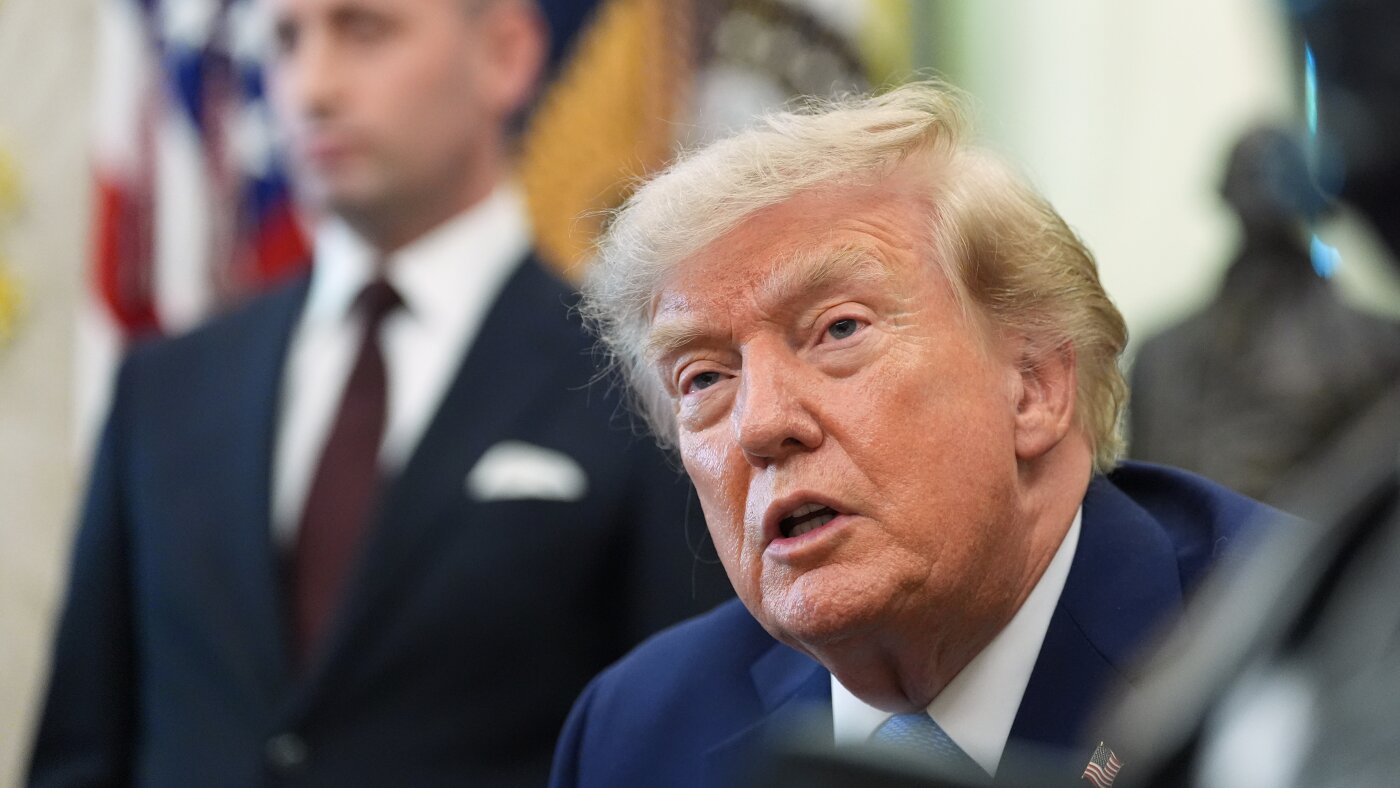
In response to the attacks, the White House announced it was withdrawing the oil sanctions waiver granted to Iran in June as part of a broader understanding aimed at reopening the Strait of Hormuz following months of conflict.
The administration described Iran’s actions as “wholly unacceptable”, warning that attacks on commercial shipping would carry significant consequences.
The revoked license had marked one of Washington’s most significant concessions during negotiations that ended a three-month conflict and allowed shipping to gradually resume through the vital waterway. Its withdrawal effectively restores tighter economic pressure on Tehran and signals a sharp deterioration in bilateral relations.
Fragile Détente Collapses
The attacks have disrupted a diplomatic breakthrough reached in late June, when Washington and Tehran agreed to reopen the Strait of Hormuz after months of military confrontation that sent global oil prices sharply higher.
Although commercial traffic had begun returning to the route over the past week, shipping activity remained well below normal, operating at only 20% to 33% of pre-conflict levels.
Maritime security officials now fear the latest violence could further discourage commercial operators from using the route, potentially prolonging disruptions to global energy markets.
Maritime Threat Level Raised to ‘Severe’
Following Tuesday’s attacks, the U.S. Navy-led Joint Maritime Information Center (JMIC) raised the security threat for vessels transiting the Strait of Hormuz from “substantial” to “severe.”
According to JMIC, the new assessment reflects the likelihood of deliberate hostile action under current conditions, marking the first time the highest threat level has been issued since June 15.
The heightened alert is expected to increase insurance costs for commercial shipping and may lead some operators to delay or reroute voyages until security conditions improve.
Strategic and Economic Implications
The Strait of Hormuz remains one of the world’s most critical energy chokepoints, handling nearly one-fifth of global oil trade along with substantial exports of liquefied natural gas.
Any sustained disruption in the region could have far-reaching consequences, including:
- Higher global oil prices
- Increased LNG transportation risks
- Rising shipping insurance premiums
- Supply chain disruptions
- Greater military deployments across the Gulf
Energy markets are expected to closely monitor developments as traders assess the possibility of further attacks or retaliatory military action.
Experts See End of the U.S.-Iran Understanding
Security analysts say Washington’s decision to revoke Iran’s oil waiver effectively dismantles the diplomatic framework that had helped reduce tensions only weeks earlier.
Brett Erickson, Managing Principal at Obsidian Risk Advisors, described the move as a fundamental break in the agreement between the two countries.
“The significance of this move cannot be overstated. It is a complete destruction of the Memorandum of Understanding between the United States and Iran,” Erickson wrote on X.
He added that the sanctions relief represented the primary economic incentive offered to Tehran in exchange for reopening the Strait of Hormuz, making its withdrawal a major setback for future diplomatic engagement.
Outlook
With commercial shipping once again under threat, diplomatic ties deteriorating, and economic pressure on Iran increasing, the Strait of Hormuz has returned to the center of global geopolitical attention.
The combination of renewed sanctions, heightened maritime security alerts, and continued military tensions raises the risk of further escalation in the Gulf. Whether the crisis can be contained through diplomacy or develops into a broader regional confrontation will likely depend on the actions taken by both Washington and Tehran in the coming days.