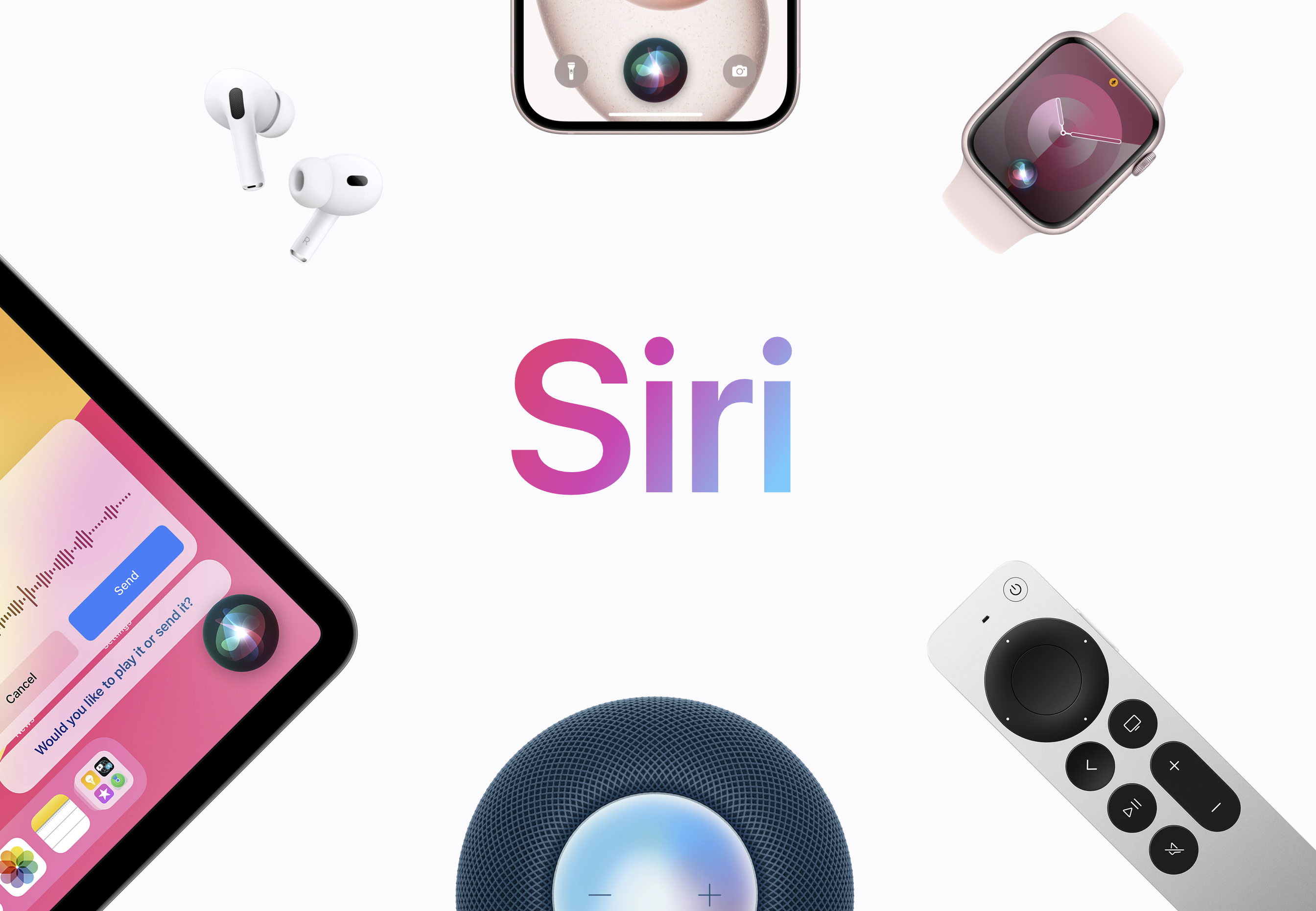
Apple Plans Major Siri Privacy Push in iOS 27 as AI Assistant Nears Long-Awaited Debut- Apple is preparing one of the most significant upgrades in the history of Siri, with the company reportedly developing a next-generation AI assistant for iOS 27 that will place privacy at the center of the experience. The revamped Siri is expected to introduce features designed to separate Apple from competitors in the rapidly growing chatbot market, where concerns over user data and AI training practices continue to intensify.
The long-rumored digital assistant overhaul comes after years of criticism aimed at Siri for lagging behind rivals such as ChatGPT, Google Gemini, and Microsoft Copilot. While Apple was once considered an early pioneer in voice assistants, the rise of generative AI has exposed major limitations in Siri’s current capabilities, prompting the company to rethink the platform from the ground up.
According to reports tied to Apple’s internal development plans, the new Siri experience may finally arrive with iOS 27, though the rollout could initially happen as a beta release rather than a full public launch. Sources familiar with the project suggest the technology has faced repeated delays and restructuring over the last two years as Apple engineers worked to balance advanced AI functionality with the company’s strict privacy standards.
One of the defining elements of Apple’s upcoming chatbot strategy is expected to be on-device AI processing. Unlike many cloud-based AI systems that rely heavily on external servers to process user prompts and store interactions, Apple is reportedly aiming to keep more requests directly on users’ devices whenever possible. This approach could reduce data collection risks while improving security for personal conversations, messages, and sensitive information.
Privacy has increasingly become a competitive battleground in the AI industry. Many users remain uneasy about how companies collect, store, and use chatbot interactions to train large language models. Apple appears ready to capitalize on those concerns by positioning Siri as the “privacy-first” AI assistant.
Industry analysts believe Apple may introduce features allowing users to control exactly what information Siri can access, how long data is retained, and whether conversations are ever stored remotely. Some functions could operate entirely offline, particularly for routine tasks such as scheduling, reminders, app navigation, or message drafting.
The upgraded Siri is also expected to become far more conversational and context-aware than the current version. Instead of handling isolated commands one at a time, the assistant may be capable of understanding multi-step requests, remembering previous interactions during a session, and generating more natural responses similar to modern AI chatbots.
Apple has reportedly been rebuilding Siri’s architecture internally to support large language models and generative AI systems capable of powering more advanced reasoning. The company is believed to be testing both internally developed AI models and selective partnerships for cloud-based processing when more computing power is required.
Despite the progress, reports suggest Apple executives remain cautious about rushing the technology to market. The company has historically prioritized polished consumer experiences over rapid deployment, and insiders say there are ongoing concerns about AI hallucinations, misinformation, and reliability issues that have affected competing chatbot platforms.
As part of the broader iOS 27 update, Apple is also said to be planning a major upgrade to Genmoji, the AI-powered custom emoji feature introduced in earlier software generations. The next version could allow users to create more detailed and personalized animated avatars, expressions, and visual reactions using generative AI tools integrated across Messages and social communication apps.
The company’s AI ambitions extend beyond iPhones. Reports indicate Apple is simultaneously preparing design refinements for macOS 27 after receiving mixed reactions to aspects of macOS Tahoe. Internal discussions reportedly focus on simplifying interface inconsistencies and improving navigation quirks that frustrated some longtime Mac users.
Apple’s software redesign strategy appears aimed at creating a more unified experience across iPhone, iPad, and Mac devices while integrating AI more naturally into daily workflows. Executives are said to believe the next era of computing will depend heavily on intelligent assistants that can anticipate user needs instead of simply responding to commands.
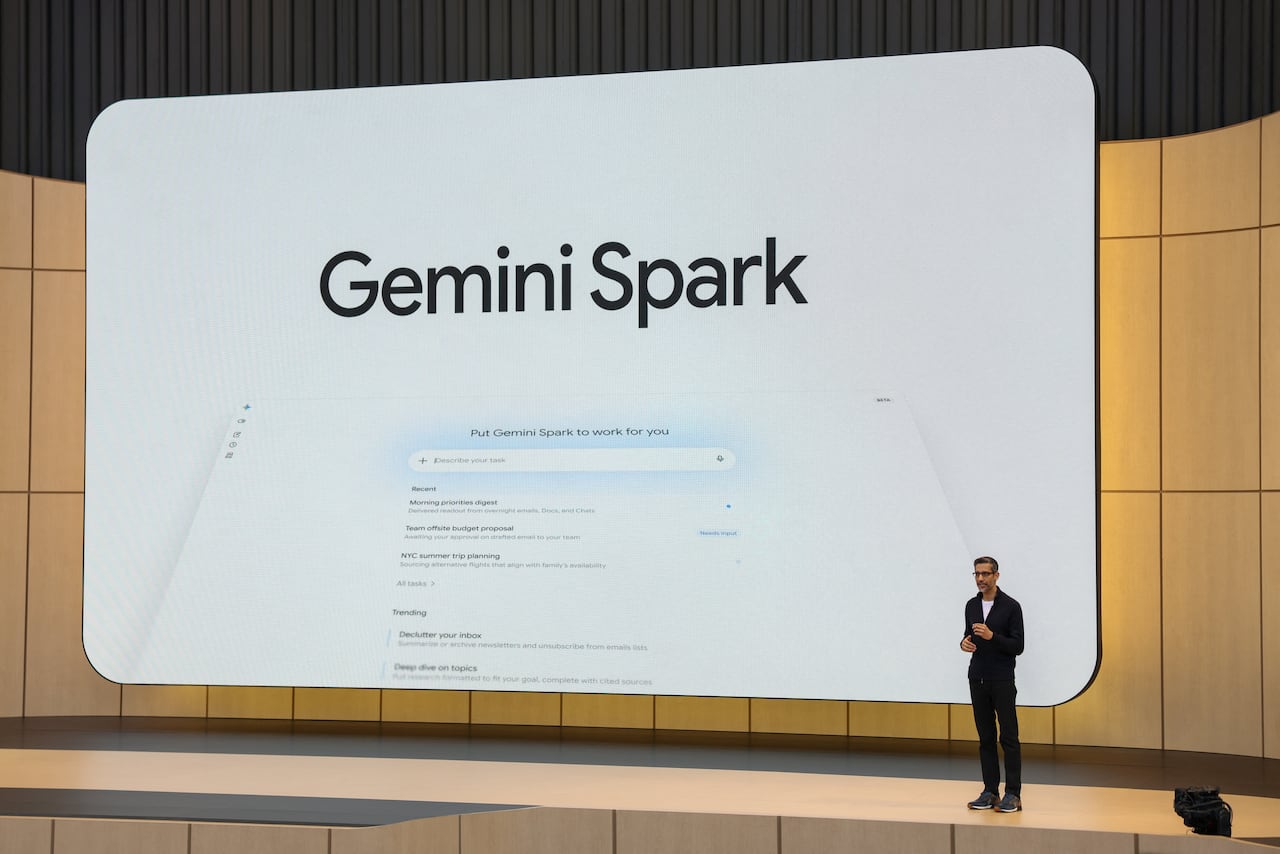
The pressure on Apple to deliver has intensified as competitors aggressively expand their AI ecosystems. Google has deeply integrated Gemini into Android, Microsoft continues embedding Copilot across Windows and Office products, and OpenAI’s ChatGPT ecosystem is rapidly growing across mobile and enterprise platforms.
For Apple, Siri’s transformation represents more than just a feature update — it may determine whether the company can remain competitive in the AI-driven future of consumer technology.
Even so, Apple’s leadership appears determined to avoid sacrificing its long-standing privacy reputation in pursuit of AI dominance. By emphasizing secure processing, limited data sharing, and user control, the company hopes to carve out a distinct identity in a market increasingly defined by concerns over surveillance, data collection, and algorithmic transparency.
If Apple succeeds, the next generation of Siri could become not only smarter, but also one of the most privacy-conscious AI assistants ever released to consumers. Why Are Nearly-New Android Phones Already Being Left Behind? | Maya