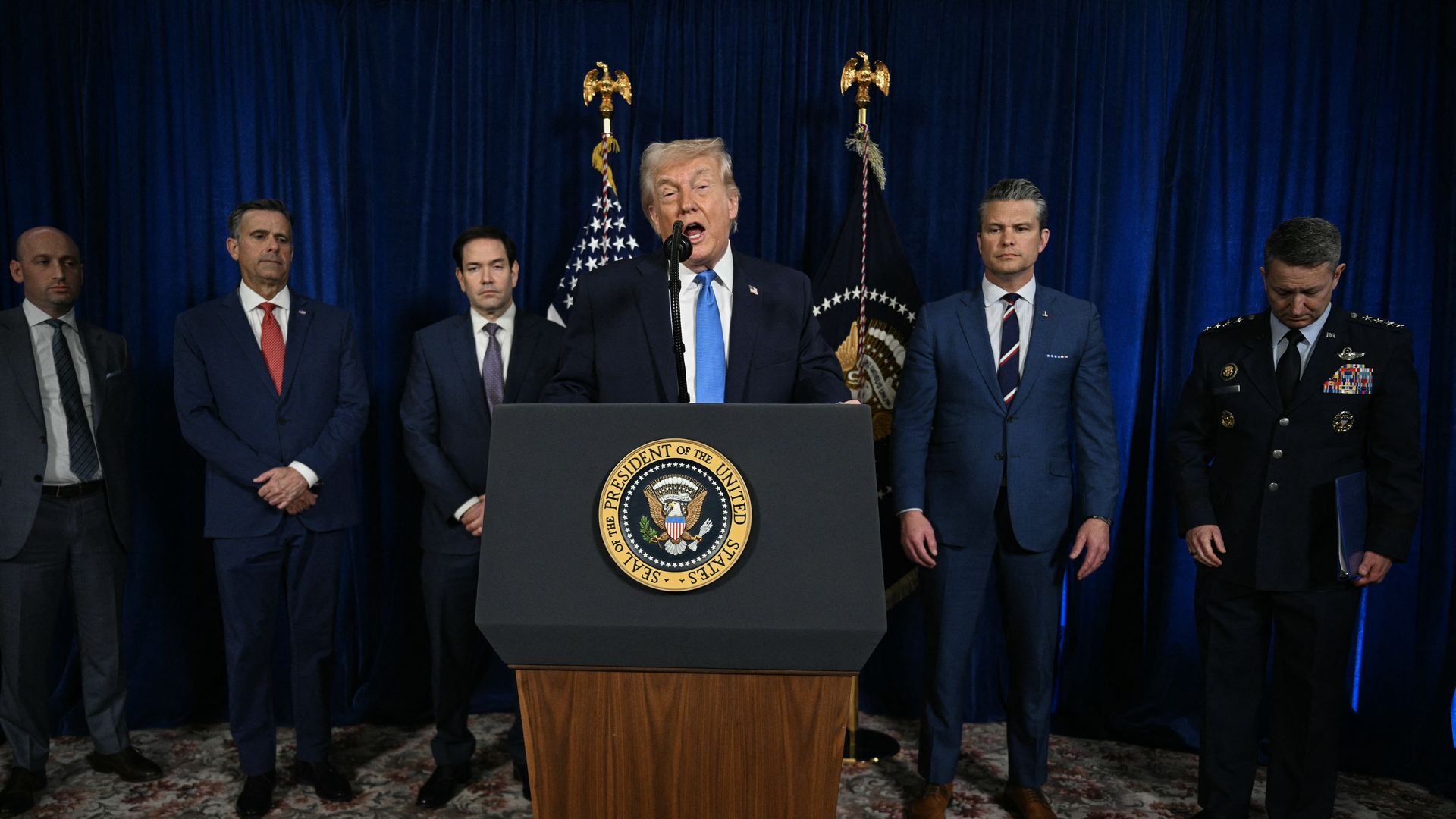
Billions for Tehran? The Question Threatening Trump’s Iran Deal- President Donald Trump’s emerging agreement with Iran was intended to mark a major diplomatic breakthrough, potentially ending months of conflict, reopening critical shipping routes, and reducing tensions across the Middle East. Instead, the deal is facing growing scrutiny from an unexpected source: Trump’s own political allies.
At the center of the controversy is a simple but politically explosive question: How much money could ultimately flow to Tehran?
As details of the agreement slowly emerge, critics within the Republican Party are raising alarms about sanctions relief, access to frozen assets, renewed oil exports, and reports of a massive investment fund linked to the deal. For many conservatives, the concern is not just about the nuclear provisions—it’s about whether Iran could receive significant economic benefits in exchange for promises that may prove difficult to verify.
A Deal Designed to End a Crisis
The agreement comes after months of military tensions and economic disruption. One of its key goals is to restore stability in the region and ensure the continued flow of energy through the Strait of Hormuz, one of the world’s most important oil shipping routes.
Trump has repeatedly described the agreement as a path toward peace and economic stability. Speaking during the G7 Summit in France, he said the negotiations were moving into a “second stage” and expressed confidence that the process would succeed.
The administration argues that the deal would prevent Iran from developing nuclear weapons while reducing the risk of a wider regional conflict. Officials also point to the potential economic benefits for global markets if energy exports normalize and shipping disruptions are reduced.
The Money Question
Yet the debate surrounding the agreement has quickly shifted toward economics.
According to reports, the framework could eventually allow Iran access to frozen assets, expanded oil sales, and broader sanctions relief if it meets specific obligations. One proposal receiving particular attention is a reported $300 billion development and reconstruction fund designed to support future investment inside Iran.
Supporters argue that these benefits would not be automatic. Instead, they would be tied to Iranian compliance with nuclear restrictions, regional security commitments, and international inspections. Administration officials insist that Tehran would need to demonstrate significant changes before receiving any major rewards.
Critics, however, see things differently.
For many Republican foreign-policy hawks, any arrangement that provides financial relief to Iran risks empowering a government they have long viewed as hostile to U.S. interests. Some have questioned whether future administrations could enforce the conditions effectively or prevent Tehran from benefiting without making lasting concessions.
A Political Problem for Trump
The controversy is particularly sensitive because Trump built much of his foreign-policy reputation by attacking the 2015 Iran nuclear agreement negotiated during the Obama administration.
For years, Trump argued that the earlier deal provided Iran with too much economic relief while failing to permanently eliminate its nuclear ambitions. After entering office during his first term, he withdrew the United States from that agreement and reimposed sanctions.
Now, opponents are drawing comparisons between the old deal and the new framework.
Some conservative commentators argue that sanctions relief, renewed oil exports, and investment incentives resemble policies Trump once strongly criticized. Whether those comparisons are fair or not, they have created a difficult political challenge for the White House.
The Administration’s Defense
Trump and his advisers reject the criticism.
The president has emphasized that the United States will not directly invest money in Iran and has dismissed reports suggesting American taxpayers would finance the arrangement. Vice President JD Vance has similarly argued that any economic gains for Tehran would depend entirely on verified compliance and long-term reforms.
Administration officials also stress that the proposed investment fund would largely involve private and international capital rather than direct U.S. government spending. According to reports, much of the financing could come from investors and regional partners rather than Washington itself.
The White House position is clear: Iran receives benefits only if it follows through on its commitments.
Unanswered Questions Remain
Despite those assurances, uncertainty continues to surround the agreement.
The full text has not yet been publicly released, leaving analysts, lawmakers, and allies debating what exactly Iran would receive and under what conditions. Differing accounts from U.S. and Iranian officials have further complicated efforts to understand the deal’s final structure.
As negotiations continue, questions about sanctions relief, frozen assets, and investment commitments are likely to remain at the center of the political debate.
The Bottom Line
For President Trump, the challenge is no longer simply securing an agreement with Iran. It is convincing skeptical Americans—and many members of his own political coalition—that the deal’s economic benefits for Tehran are justified by the security guarantees Washington hopes to receive in return.
If the administration succeeds, Trump could claim a major foreign-policy victory. If doubts about billions potentially flowing into Iran continue to grow, the agreement could face fierce resistance long before its long-term results become clear.