Ceasefire at Risk? Trump Says Iran Proposal Likely ‘Unacceptable’
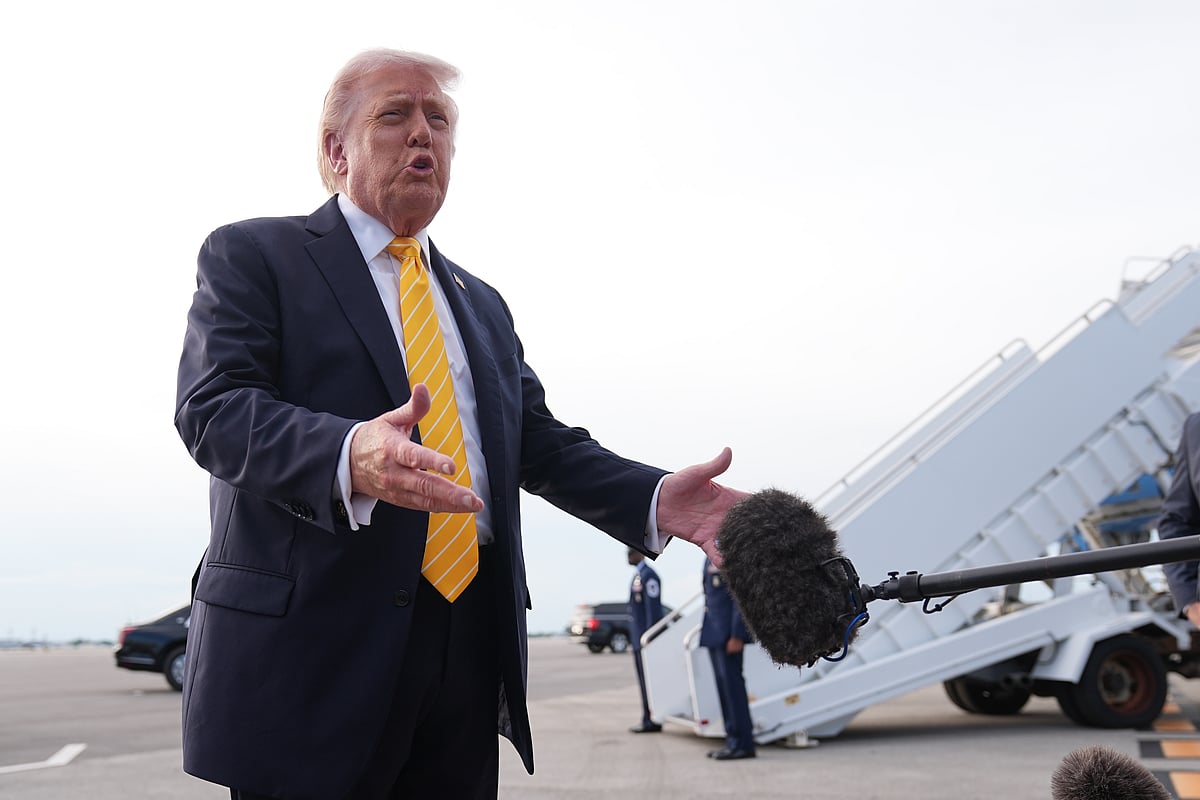
Fresh uncertainty is surrounding the already fragile pause in tensions between the United States and Iran, after Donald Trump indicated he is unlikely to accept Tehran’s latest proposal aimed at ending the conflict. His remarks have cast serious doubt on whether the current ceasefire can hold—or if both sides are edging closer to renewed confrontation.
Trump revealed that he has only been briefed on the broad outline of Iran’s proposal and is still waiting to review the full document. However, he made it clear that his initial reaction is not encouraging. By stating that Iran has “not yet paid a big enough price,” he signaled that any agreement lacking significant concessions would likely fall short of U.S. expectations. Even before examining the finer details, his tone suggests a hardline approach is firmly in place.
What Iran Is Offering
According to early reports, Iran’s proposal focuses on immediate de-escalation measures rather than tackling deeper, long-standing disputes right away. The plan is said to include:
- Reopening shipping routes through the Strait of Hormuz
- Easing or ending the U.S. blockade impacting Iranian trade
- Delaying negotiations over Iran’s nuclear program until a later phase
This structure appears designed to quickly stabilize the situation on the ground and ease pressure on global markets. However, it also creates a fundamental disagreement. Washington has consistently emphasized that any meaningful deal must directly address nuclear concerns upfront, while Iran seems to prefer a phased approach.
Mixed Messaging from Washington
Adding to the uncertainty is Trump’s dual messaging strategy. While he has not completely shut the door on diplomacy, he has also openly suggested that military action remains an option. When asked about the possibility of restarting airstrikes, he did not rule it out, stating that it could happen if Iran takes steps the U.S. considers unacceptable.
This combination of cautious openness and implicit threat creates a complex negotiating environment. On one hand, it keeps pressure on Iran; on the other, it risks making diplomatic progress more difficult by increasing mistrust. Observers note that such signals can be interpreted in different ways, potentially leading to miscalculations.
A Fragile Pause Under Pressure
The ceasefire itself is relatively recent and was intended to create space for negotiations. Hostilities had paused following weeks of intense military activity involving U.S. and allied forces. That pause is now under strain, as both sides appear far from reaching a shared understanding.
Trump’s latest comments suggest that the gap between Washington and Tehran remains significant, with neither side willing to compromise on core issues just yet. The longer this stalemate continues, the greater the risk that the ceasefire could unravel.
Global Consequences Still Loom
The stakes go well beyond the immediate conflict. The tensions have already had a noticeable impact on the global economy, particularly in energy markets. The Strait of Hormuz is one of the world’s most critical oil transit routes, and any disruption there can quickly send prices soaring.
So far, the situation has led to:
- Increased volatility in oil and gas markets
- Rising shipping and insurance costs
- Growing concerns about a broader economic slowdown
If the ceasefire collapses, these pressures could intensify almost immediately, affecting countries far removed from the region.
Regional Risks Remain High
Even as diplomatic efforts continue, tensions across the wider region have not fully subsided. Various allied and proxy groups remain active, and the potential for indirect clashes still exists. This means that even a small incident could trigger a larger escalation, regardless of ongoing talks between the U.S. and Iran.
Such a backdrop makes the negotiation process even more delicate. Any agreement would need not only to address direct tensions but also to account for these broader dynamics.
What Comes Next
The immediate focus is on Trump’s final review of the proposal. Once the full text is examined, the U.S. will have to decide whether to engage further or walk away from the offer entirely.
Several possible scenarios could unfold:
A revised deal: Iran could adjust its proposal to better align with U.S. demands, particularly on nuclear issues.
Extended negotiations: Both sides might continue talks without major breakthroughs, keeping the ceasefire alive but fragile.
Breakdown and escalation: If the proposal is rejected outright, tensions could quickly rise, with the possibility of renewed military action.
International actors are also likely to play a role, as many countries have a strong interest in preventing further disruption—especially given the economic stakes tied to energy supplies.
A Pivotal Moment
At this stage, the situation remains finely balanced. There is still an opportunity for diplomacy, but it is narrowing. Trump’s early skepticism toward Iran’s proposal highlights just how difficult it may be to reach common ground.
Whether this moment leads to a breakthrough or a breakdown will depend on the decisions made in the coming days. For now, the ceasefire hangs in the balance, with the world watching closely to see which direction events will take next. Starmer Signals Tougher Stance on Protests After Attacks on Jewish Community | Maya