EU Approves €90 Billion Ukraine Loan Package After Months of Political Deadlock
The European Union has approved a sweeping €90 billion ($106 billion) financial package to support Ukraine’s economy and military needs over the next two years, marking one of the bloc’s most significant aid commitments since the start of the war. The decision came after weeks of political tension and renewed movement in energy flows between EU member states and Russia-linked supply routes.
The agreement was confirmed on Thursday by the EU’s Cypriot presidency, which said the funds would begin disbursement “as soon as possible” to address Ukraine’s urgent fiscal and defense requirements. The package is designed to stabilize Ukraine’s war-strained economy as it continues to resist Russia’s ongoing invasion, now in its fifth year.
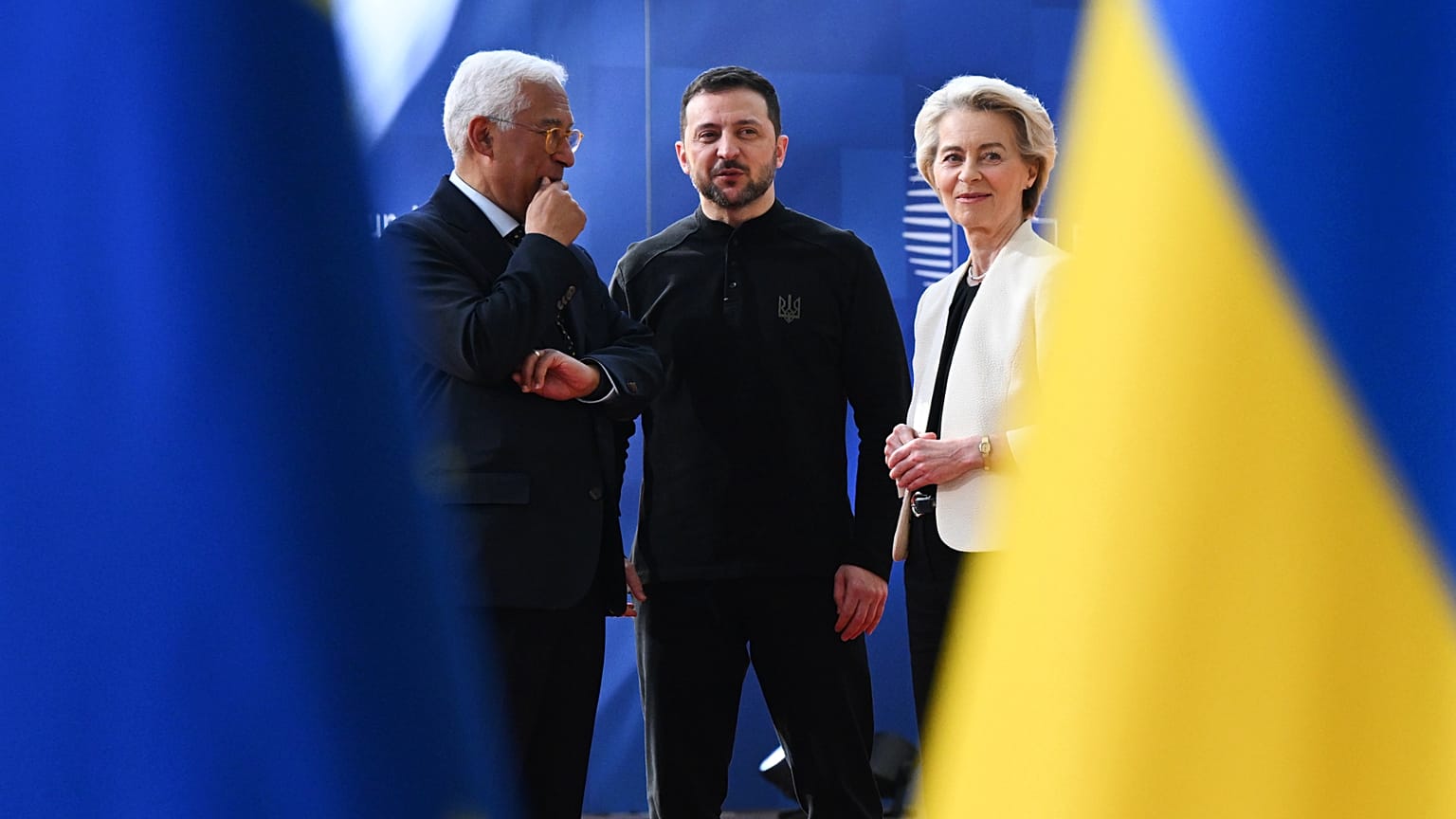
“Promised, delivered, implemented,” European Council President António Costa said in a post on social media, signaling the bloc’s unified push forward after months of internal disagreements.
Breakthrough After Energy and Political Disputes
The approval follows a prolonged standoff within the EU, largely driven by Hungary and Slovakia, which had opposed the aid package over disputes linked to energy supplies and sanctions policy toward Russia.
A key factor in easing the deadlock was the resumption of oil flows through the Druzhba pipeline, which runs through Ukraine and supplies crude to Hungary and Slovakia. Deliveries had been halted for nearly three months after reported pipeline damage, which Ukrainian officials attributed to Russian drone strikes. Both Budapest and Bratislava had raised concerns over supply security and compensation mechanisms before agreeing to move forward.
Hungarian energy company MOL confirmed that crude shipments had resumed at key pumping stations, restoring flows after weeks of disruption.
Slovak Prime Minister Robert Fico described the restoration of supplies as “good news,” adding that it could help reset relations between Ukraine and the EU. However, he also questioned the nature of the earlier disruption, suggesting skepticism over whether the pipeline had been significantly damaged.
Internal EU Tensions Over Decision-Making
The episode has once again exposed the challenges of unanimity-based decision-making within the EU, where individual member states can block major foreign policy and financial decisions.
Several EU officials have recently renewed calls to expand majority voting mechanisms, arguing that critical decisions—especially on foreign aid and sanctions—should not be delayed by bilateral disputes.
The €90 billion loan package was initially intended to be partially backed by frozen Russian assets, most of which are held in Belgium. However, that proposal was blocked, forcing the EU to restructure the financing approach through alternative borrowing mechanisms on international markets.
Hungary had previously agreed not to obstruct the funding arrangement, but later reversed its position amid escalating tensions over energy security and domestic political pressures. Hungarian Prime Minister Viktor Orbán has repeatedly clashed with EU partners over Ukraine policy, though he recently suffered a significant electoral defeat.
New Sanctions Target Russia’s “Shadow Fleet”
Alongside the financial package, the EU also approved a new round of sanctions targeting Russia’s war economy.
The measures include restrictions on maritime services such as maintenance and refueling for vessels suspected of transporting Russian oil outside regulated channels. More than 40 ships linked to what the EU describes as Russia’s “shadow fleet” were added to sanctions lists.
The sanctions package also expands asset freezes on approximately 60 additional entities, including companies, financial institutions, and government-linked organizations. This adds to a broader sanctions regime that now covers more than 2,600 individuals and entities, including Russian President Vladimir Putin and senior political and business figures.
EU officials say the measures are designed to tighten pressure on Russia’s energy revenues, which remain a central source of funding for its military operations.
Energy Politics and War Economics
Despite widespread EU opposition to Russian energy imports, Hungary and Slovakia continue to rely heavily on Russian oil, making them outliers within the bloc. This dependency has repeatedly shaped their positions on sanctions and Ukraine assistance.
Ukraine and most EU member states argue that continued Russian energy exports indirectly fund Moscow’s war effort. However, energy security concerns in parts of Central and Eastern Europe have complicated efforts to achieve full alignment.
The latest agreement reflects a temporary convergence of interests, but officials acknowledge that future disputes over energy and sanctions policy are likely to persist as the war continues.
For now, however, the EU has unlocked a major financial lifeline for Ukraine while simultaneously tightening its sanctions regime—signaling continued commitment to both economic support and pressure on Russia. Middle East conflict pushes UK borrowing outlook into uncertainty | Maya