Explosive Rise of Disease in Conflict Zones: What the World Needs to Know
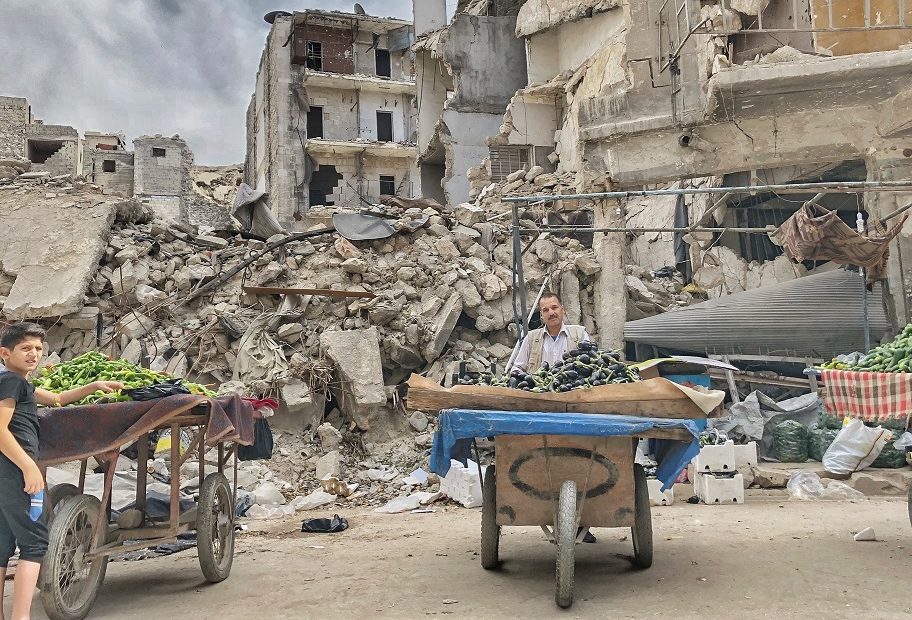
War does more than damage cities and infrastructure — it ignites deadly public health crises. In modern conflicts like those in Ukraine, Iran, and Israel-Palestine, the combination of violence, displacement, and broken healthcare systems is fueling an explosive surge of disease.
History shows that this is not a new phenomenon. From the Spanish influenza pandemic of 1918, which killed tens of millions worldwide, to repeated outbreaks of typhus, cholera, and dysentery during European wars in the 18th and 19th centuries, disease has often claimed more lives than combat itself.
Lessons from History: When Disease Overshadowed Bullets
The Spanish Flu and World War I
At the end of World War I, the 1918 influenza pandemic swept across continents. Military camps, crowded hospitals, and mass troop movements created the perfect environment for the virus to spread. It is estimated that more people died from the flu than from the war itself, underscoring the deadly synergy between armed conflict and infectious disease.
Pre-Modern Warfare: Disease as the Hidden Killer
Before modern medicine, armies suffered far more from disease than battle. During the Napoleonic campaigns, for instance, soldiers were decimated by typhus, relapsing fever, and dysentery. Similarly, in wars across Europe and the Americas during the 18th and 19th centuries, malaria, cholera, and pneumonia frequently caused higher mortality than combat injuries. Crowded camps, poor hygiene, and limited understanding of infection transmission created conditions for epidemics to flourish.
These historical examples illustrate a recurring truth: conflict disrupts society in ways that allow disease to spread faster and more lethally than violence alone.
Modern Conflicts Reflect Historical Patterns
Even with advances in medicine, contemporary wars continue to mirror historical patterns, with health systems collapsing and disease spreading among displaced populations.
Ukraine: Collapsing Health Infrastructure
In Ukraine, ongoing fighting has destroyed hospitals, laboratories, and supply chains, leaving millions without access to routine or emergency medical care. Overcrowded shelters, poor sanitation, and limited clean water have created conditions conducive to outbreaks of respiratory infections, cholera, and other infectious diseases.
- Displacement and Vulnerability: Millions of Ukrainians live in temporary housing, where communicable diseases can spread rapidly.
- Chronic Illnesses Neglected: Interruptions in treatment for heart disease, diabetes, and cancer increase preventable mortality.
- Mental Health Impact: Anxiety, depression, and trauma are widespread, compounding the physical toll of conflict.
Iran: Fragile Healthcare in Crisis
In Iran, political instability and localized conflict have strained healthcare infrastructure. Hospitals and clinics are operating under severe limitations, and vaccine and medicine shortages leave populations exposed to preventable diseases.
- Disease Monitoring Disrupted: Reduced laboratory capacity hampers the detection and containment of outbreaks.
- High Risk in Shelters: Overcrowded living conditions and poor sanitation promote diarrheal and respiratory infections.
- Lessons from History: Like historical military camps, these conditions are ideal for rapid transmission of contagious diseases.
Israel and the Palestinian Territories: Chronic Conflict, Escalating Health Risks
Decades of conflict have left the health system in Israel and the Palestinian territories fragile and overextended. Hospitals and clinics struggle to treat casualties while maintaining routine care.
- Overloaded Medical Facilities: Routine preventive and chronic care services are often postponed or unavailable.
- Sanitation and Water Challenges: Broken sewage systems and limited access to clean water increase vulnerability to gastrointestinal and skin infections.
- Children at Risk: Malnutrition and disrupted vaccination campaigns heighten the danger to young populations.
Why Disease Explodes During War
Across history and into the present, conflict produces conditions that accelerate disease transmission:
- Healthcare Infrastructure Collapses: Bombed hospitals, closed clinics, and destroyed labs prevent routine care and outbreak response.
- Overcrowded Shelters and Camps: Crowding fosters the spread of respiratory and gastrointestinal infections.
- Interrupted Supply Chains: Shortages of medicines, vaccines, and medical equipment leave populations untreated.
- Weakened Disease Surveillance: Broken labs and monitoring systems delay detection of outbreaks.
- Neglected Chronic Care: Patients with preexisting conditions face preventable complications and mortality.
Global Consequences of Local Conflicts
Diseases that emerge in conflict zones rarely stay contained. Displaced populations can carry infections across borders, and supply chain disruptions affect access to vaccines and medicines globally. Failure to address outbreaks in war zones could trigger regional epidemics and strain international public health systems, echoing the lessons of past pandemics.
Action Steps to Prevent Catastrophe
Historical experience shows that disease is a predictable outcome of war. Preventing widespread mortality requires urgent action:
- Protect Healthcare Infrastructure: Safeguard hospitals, clinics, and laboratories from attacks.
- Restore Essential Services: Repair water, sanitation, and electricity systems to reduce disease spread.
- Deliver Vaccines and Medicines: Ensure uninterrupted access to life-saving treatments.
- Strengthen Surveillance: Support laboratories and monitoring systems to detect outbreaks early.
- Support Chronic and Mental Health Care: Continue treatment for preexisting conditions and trauma.
Conclusion: History as a Warning
From Napoleon’s armies ravaged by typhus, to the millions killed by the Spanish flu, history demonstrates that disease often kills more than bullets. Today, Ukraine, Iran, and Israel-Palestine are experiencing a modern echo of this pattern: displacement, collapsed health systems, and poor sanitation are creating an explosive rise in disease outbreaks.
Addressing this global health crisis requires urgent, coordinated action. Without intervention, the consequences could mirror those of history, where preventable diseases became the deadliest enemy of populations caught in conflict.