Prime Minister Sébastien Lecornu told lawmakers that security forces would be deployed in substantial numbers to maintain order during the planned protests. The demonstrations come amid widespread public anger over rising living costs and deteriorating conditions in schools.
Curfews Extended Across Major Cities
Police in Paris said overnight restrictions had helped restore calm in two designated areas: Place de la République and the Les Halles shopping district. Authorities confirmed that the measures would remain in force for as long as necessary.
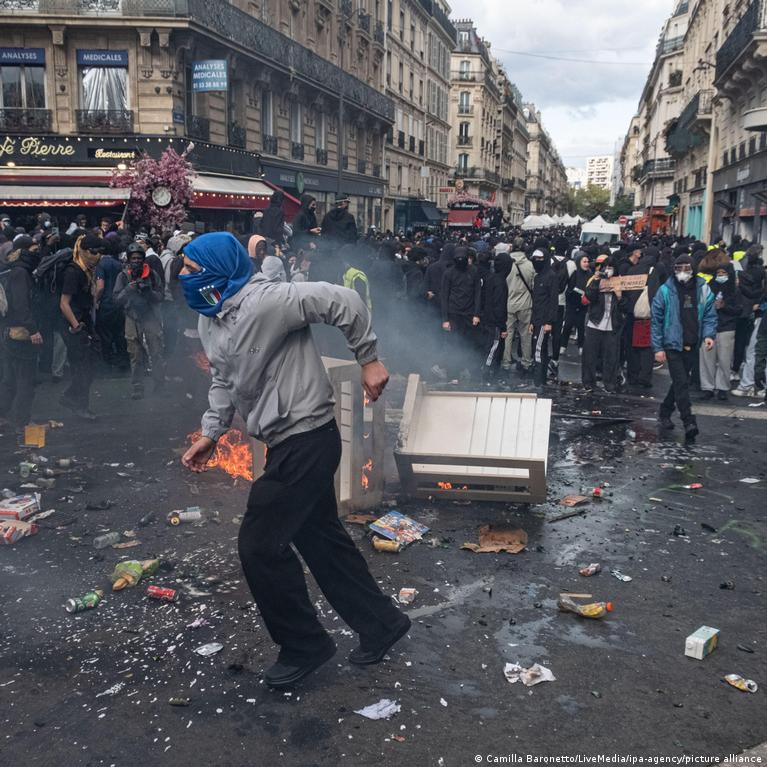
However, the restrictions do not cover every location affected by the weekend’s violence. Areas including the Champs-Élysées, the vicinity of Saint-Lazare railway station and sections of Rue de Turbigo were also scenes of unrest, with demonstrators reportedly building barricades and setting fires.
In Lyon, officials renewed a city-centre curfew running from 9 p.m. until 6 a.m., citing the absence of fresh disturbances overnight. Marseille, meanwhile, introduced restrictions on unaccompanied minors beginning Tuesday evening.
The government says targeted curfews have helped prevent further violence, although officials remain concerned about the possibility of renewed disorder during the upcoming demonstrations.
Security Forces Prepare for Saturday Protests
Lecornu told France’s National Assembly that authorities were preparing a major police operation for Saturday, although he did not disclose the number of officers expected to participate.
To strengthen the response, soldiers involved in Operation Sentinelle will be assigned to protect sensitive locations. The counterterrorism mission has patrolled French cities since the Islamic State group attacks in 2015.
Interior Minister Laurent Nuñez told lawmakers that the military deployment would allow more police officers and gendarmes to focus on managing crowds and responding to potential violence.
Student organizations and groups associated with France’s Yellow Vest movement have called for another day of demonstrations. The movement became prominent during the 2018–2019 protests against fuel-price increases and broader economic grievances.
Suspect Arrested Over Historic City Hall Fire
Separately, police arrested a suspect in connection with an arson attack that severely damaged the historic city hall in Limoges, a city in central France.
Justice Minister Gérald Darmanin said the individual was being held in custody and that investigators were examining whether other people may have been involved.
French media reports suggested that the suspect had links to radical environmentalist circles and appeared on a national security watchlist. Darmanin declined to discuss the individual’s background, but alleged that far-left groups had organized attacks against state institutions in different parts of the country.
The fire attracted widespread attention after footage showed flames engulfing the 143-year-old building and its bell tower collapsing. The images circulated extensively online, drawing reactions from international political figures.
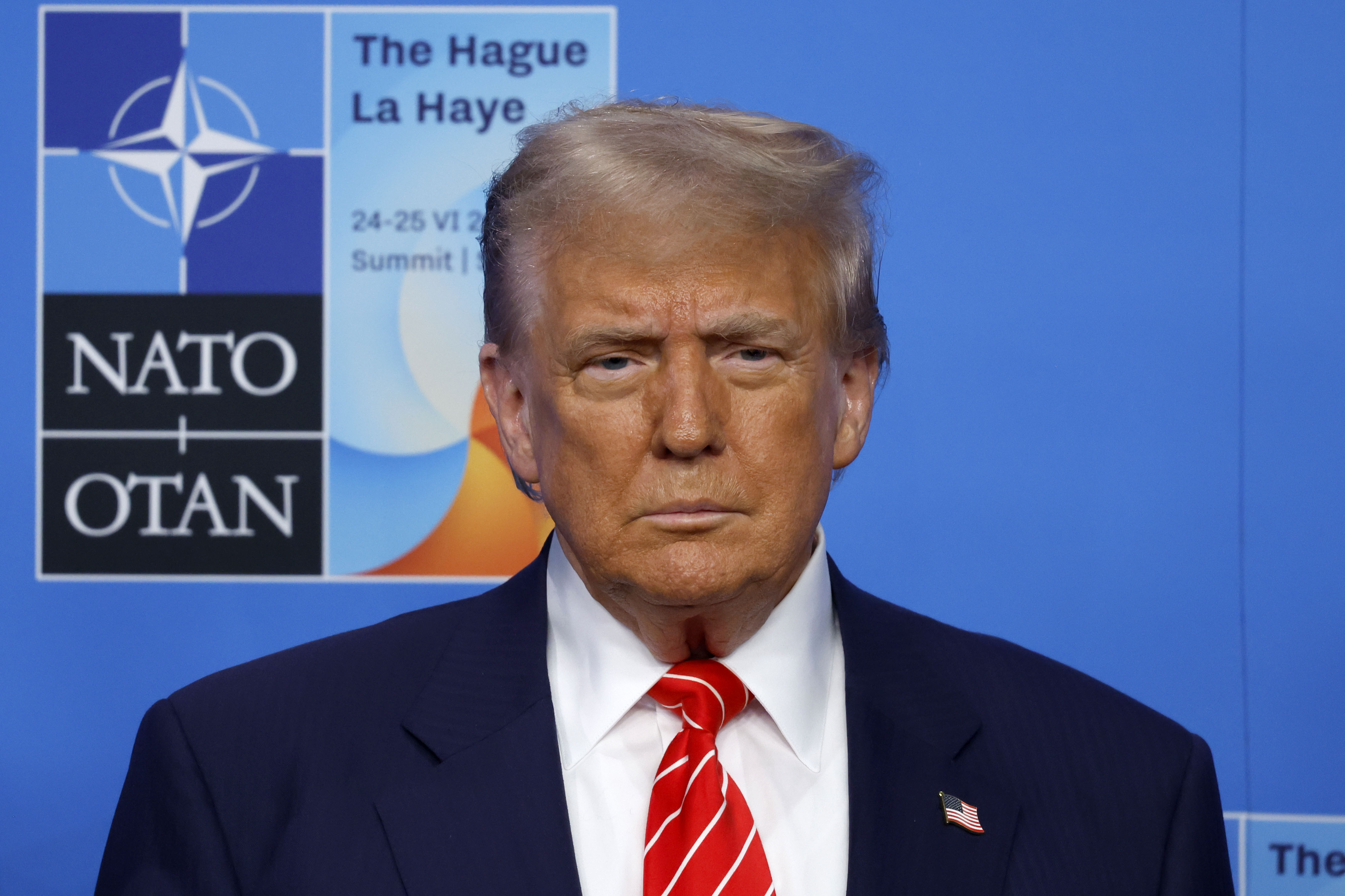
US Vice President JD Vance shared the footage on X, attributing the unrest to immigration and urging France to protect its historic landmarks. President Donald Trump also circulated the video and claimed migrants had taken control of the country.
French officials, however, have pointed to far-left groups and opportunistic looters as central factors in the violence.
Thousands Arrested as Unrest Spreads
The weekend’s disturbances marked one of France’s most serious episodes of rioting in recent years. At least 2,400 people were arrested after demonstrators clashed with police, set vehicles ablaze and targeted public buildings in cities across the country.
Further incidents were reported on Sunday evening, when small groups allegedly set fire to rubbish bins, bicycles and other objects while looting businesses in Paris, Lyon, Marseille and elsewhere.
In Paris, police maintained a visible presence overnight around Place de la République, a focal point of the weekend clashes. A helicopter circled above the square, using a searchlight to monitor compliance with the curfew.
By Tuesday morning, cleanup crews had begun restoring the area. Workers used a crane to remove a giant fluorescent yellow vest placed over the central statue before pressure-washing graffiti from the monument.
Concerns About France’s Social Climate
Louise Belanger, a volunteer who joined the cleanup effort, said she struggled to understand the scale of the destruction. She expressed concern that young people should be able to approach the future with optimism rather than anger and violence.
Her comments reflected the wider unease surrounding the unrest, which has combined economic grievances, public demonstrations and attacks on public infrastructure.
With new protests planned for Saturday, French authorities face the challenge of protecting public spaces while managing demonstrations without allowing tensions to escalate further. The coming days will test whether the expanded security measures and local restrictions can maintain calm after a weekend of widespread disorder.