Fresh Tensions as Iran Closes Key Shipping Route Amid Fragile Ceasefire- Tensions in West Asia have flared again after Iran announced a renewed shutdown of the Strait of Hormuz—a move that threatens to derail already delicate diplomacy with the United States. The decision, framed by Tehran as a response to American “breaches of trust,” has injected fresh uncertainty into a ceasefire that was meant to create space for negotiations.
Iranian officials have signaled that talks with Washington are far from producing a breakthrough. Parliamentary speaker Mohammad Bagher Ghalibaf said publicly that major differences remain unresolved, suggesting that expectations of a near-term agreement may have been premature. The negotiations, which touch on sanctions relief, regional security, and maritime access, continue to face deep political and strategic divides.
From Washington, Donald Trump struck a cautious tone. While insisting that dialogue is still ongoing, he also expressed frustration with Tehran’s tactics, warning that the United States would not accept pressure tied to control of international shipping routes. His remarks underscore the fragile balance both sides are trying to maintain—continuing talks while avoiding steps that could be seen as concessions under pressure.
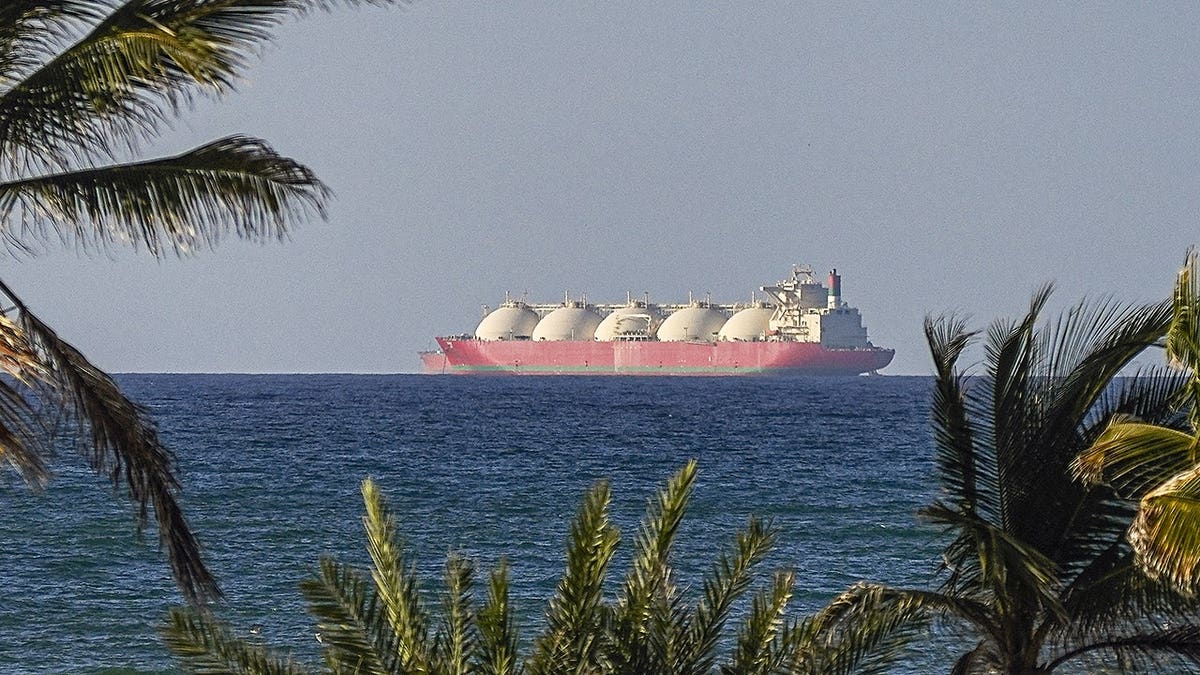
At the center of the crisis is the Strait of Hormuz itself, a narrow but crucial waterway linking the Persian Gulf to global shipping lanes. A significant share of the world’s oil supply passes through this route each day, making it one of the most strategically important chokepoints in international trade. Any disruption, even temporary, can have far-reaching consequences for energy markets and global economic stability.
The latest shutdown has already led to a spike in maritime tensions. Reports from regional authorities indicate that Iranian patrol boats opened fire on at least one tanker attempting to pass through the strait shortly after the announcement. In a separate incident, another vessel was struck by a projectile, further heightening fears among shipping operators. These developments have prompted some companies to suspend or reroute voyages, wary of escalating risks in the area.
Iran’s military has warned that ships entering the strait must comply with its directives, a stance that has drawn criticism from the United States and its allies. Washington views such measures as a direct challenge to the principle of free navigation, which it considers essential to global commerce. The conflicting positions highlight the broader strategic struggle playing out in the region, where control over key waterways has long been a source of tension.
The ceasefire, which had briefly reduced hostilities, now appears increasingly fragile. Initially, it allowed limited shipping activity to resume and raised hopes for a gradual easing of tensions. However, inconsistent signals from both sides—combined with incidents at sea—have eroded confidence among international observers and commercial stakeholders alike. The result is a climate of uncertainty that complicates both diplomacy and trade.
Beyond the immediate security concerns, the economic implications are significant. Oil markets are particularly sensitive to disruptions in the Strait of Hormuz, and even the perception of instability can drive price volatility. A prolonged closure or continued attacks on vessels could push energy costs higher, disrupt supply chains, and place additional strain on economies already facing inflationary pressures. Countries heavily dependent on imported energy are especially vulnerable to such shocks.
International reactions have been swift, with calls for restraint coming from multiple governments. Many have emphasized the importance of keeping the strait open and avoiding actions that could escalate into a broader conflict. Diplomatic efforts are likely to intensify in the coming days, as regional and global actors attempt to prevent further deterioration of the situation.
The current standoff is part of a larger pattern of confrontation between Iran and the United States, where periods of negotiation are often punctuated by sudden escalations. The Strait of Hormuz has repeatedly served as a focal point in this rivalry, given its strategic value and Iran’s geographic position. By leveraging its influence over the waterway, Tehran seeks to strengthen its bargaining position, while Washington aims to ensure uninterrupted access for global shipping.
As events continue to unfold, the outlook remains uncertain. Both sides face a difficult choice: escalate and risk a wider confrontation, or find a path back to constructive dialogue. The renewed shutdown of the Strait of Hormuz illustrates just how quickly progress can unravel—and how fragile the current ceasefire truly is.
With ships under threat, negotiations under strain, and global markets on edge, the coming days will be critical. Whether this moment becomes a turning point toward renewed diplomacy or a step toward deeper conflict will depend on decisions made in both Tehran and Washington.