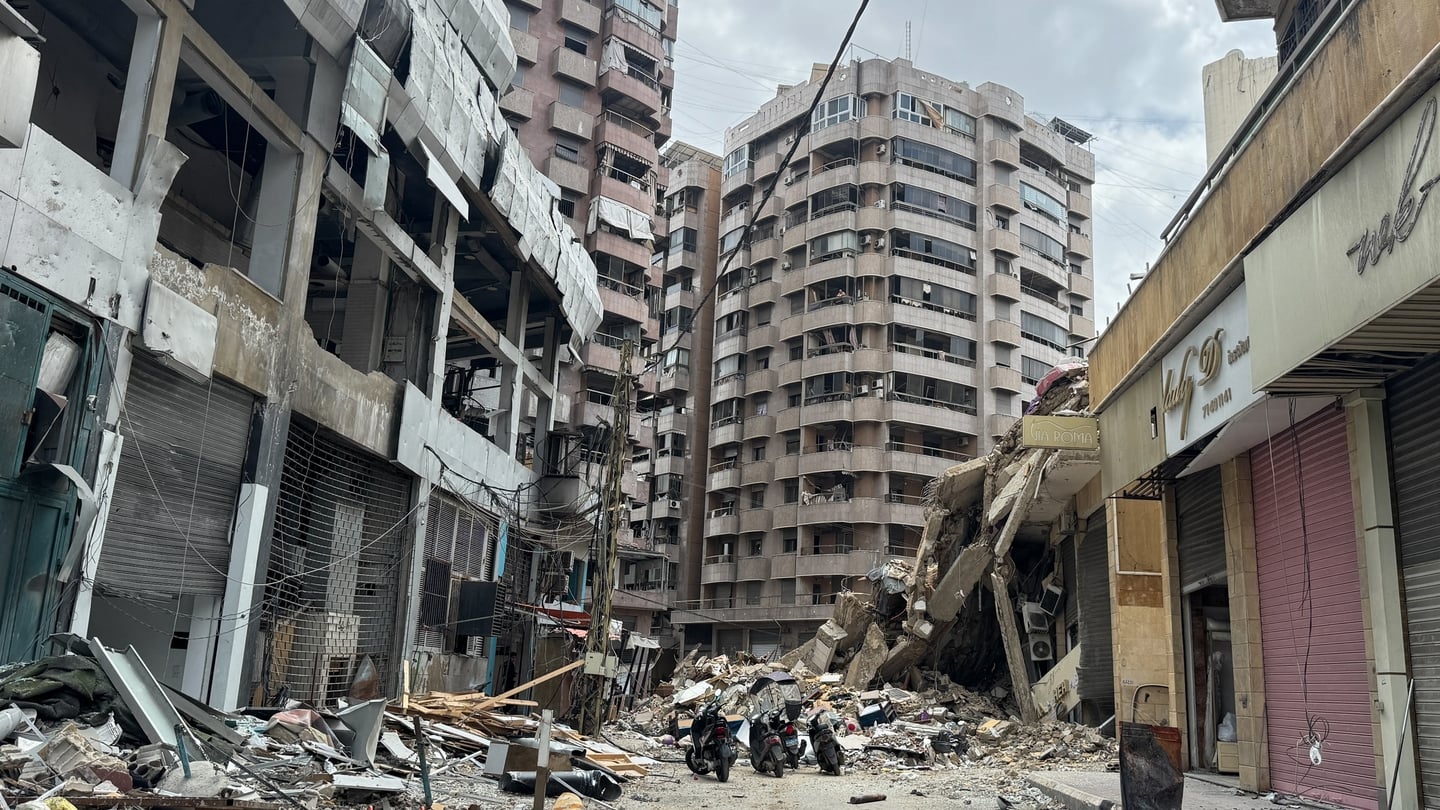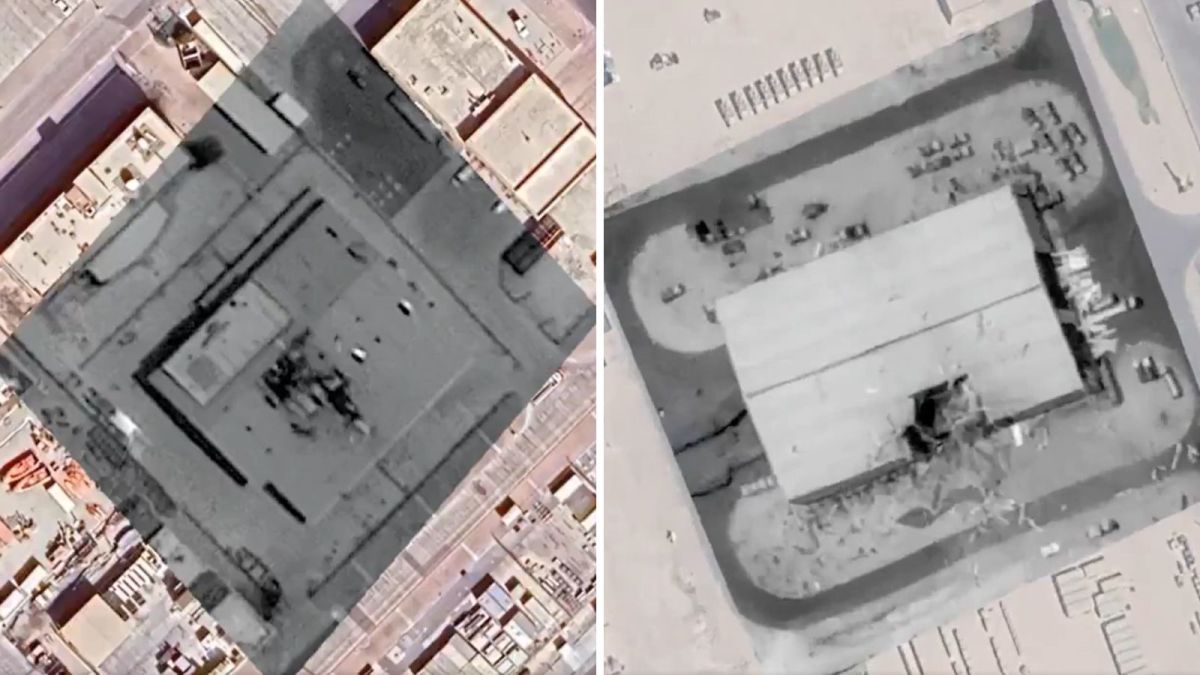
Iran Claims Drone Strike on US Facilities in Jordan After Fresh American Airstrikes: Tensions between Iran and the United States escalated further on Thursday after Iran claimed it had carried out a drone attack against US military facilities in Jordan in response to a new wave of American airstrikes targeting sites inside Iran. The latest exchange underscores the growing risk that the conflict could spread beyond the two countries and draw more regional actors into the confrontation.
According to Iranian state broadcaster IRIB, the Iranian army said it launched suicide, or “kamikaze,” drones against what it described as US communication systems and fuel storage facilities in Jordan. Iranian officials characterized the operation as retaliation for continued US military action, saying the strikes were intended to respond to what they called “enemy aggression.”
At the time of publication, the United States had not publicly confirmed Iran’s claim, and Jordanian authorities had not released detailed information verifying that US facilities in the country had been hit. There was also no immediate information regarding casualties or the extent of any damage, making independent verification of the reported attack difficult.
The reported drone strike came only hours after another round of US military operations against targets inside Iran. Iranian media said explosions and air defence activity were reported around Tehran and in a nearby province that hosts elements of the country’s missile programme. Iranian officials described the attacks as targeting military infrastructure, although the full extent of the damage has not been independently confirmed.
The latest developments mark another sharp escalation in a conflict that has intensified over recent days following the collapse of earlier diplomatic efforts to reduce tensions. Military exchanges between the two countries have become more frequent, raising concerns among regional governments and international observers that the confrontation could evolve into a broader Middle East conflict.
Jordan has become an increasingly important location for US military operations in the region, hosting American personnel and logistical facilities that support operations across the Middle East. Any confirmed attack on US assets inside Jordan would represent a significant expansion of the geographic scope of the conflict and could increase pressure on Washington to respond.
In a separate development, Iraqi Prime Minister Mohammed Shia’ al-Sudani condemned a drone attack over Erbil, calling it a violation of Iraq’s sovereignty and urging all parties to avoid actions that could further destabilize the region. Iraqi authorities, however, did not identify who was responsible for the incident, and investigations remain ongoing.
The United States also announced approval of a weapons package valued at nearly $2 billion for Saudi Arabia, reinforcing defence cooperation with one of its closest regional partners. Although the arms sale had been under consideration prior to the latest escalation, its approval comes at a time of heightened military tensions across the Gulf and reflects Washington’s continued commitment to strengthening the defensive capabilities of its allies.
Security analysts warn that the continued exchange of strikes between Iran and the United States increases the possibility of miscalculation. With military forces, allied militias and strategic infrastructure spread across several Middle Eastern countries, any further escalation could have consequences well beyond the immediate conflict.
The situation is also being closely watched by global energy markets. The Middle East remains home to key shipping routes and major oil-producing nations, and any expansion of hostilities could disrupt energy supplies or commercial shipping, particularly in strategically important waterways such as the Strait of Hormuz.
Diplomatic efforts to contain the crisis continue, with governments across Europe, the Gulf and the United Nations urging restraint and renewed dialogue. However, there has been little indication that either Washington or Tehran is prepared to scale back military operations in the immediate future.
As events continue to unfold, many claims made by both sides remain difficult to verify independently because of the fast-moving nature of the conflict and limited access to affected areas. Officials in multiple countries are continuing to assess the impact of the latest attacks while monitoring for signs of further escalation.
The coming days are expected to be critical in determining whether the latest military exchanges remain limited or develop into a wider regional confrontation with significant political, economic and security implications.