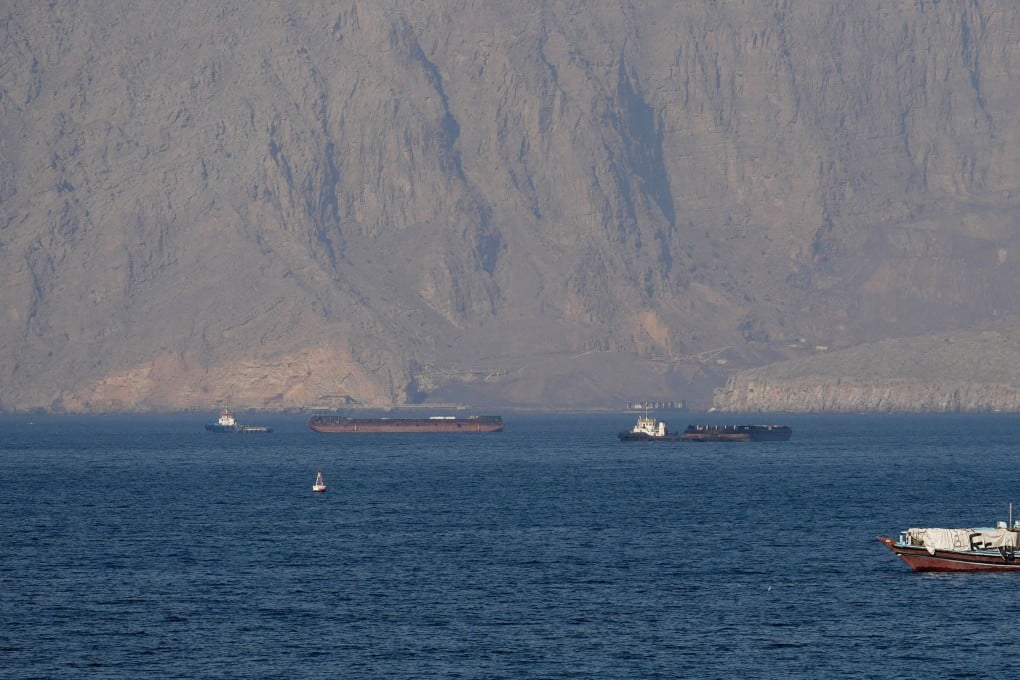
Iran Seizes Two Commercial Ships in Strait of Hormuz After Opening Fire- Tensions surged in the Middle East on Wednesday after the Islamic Revolutionary Guard Corps seized two commercial vessels in the Strait of Hormuz, following reports of gunfire directed at multiple ships transiting the vital waterway.
The vessels, identified as the Panama-flagged MSC Francesca and the Liberia-flagged Epaminondas, were reportedly intercepted by Iranian forces and taken under control. Maritime tracking data indicates that both ships are now positioned close to Iran’s coastline, suggesting they have been escorted into or near Iranian territorial waters.
The incident has immediately raised alarm across global shipping and energy markets, given the strategic importance of the Strait of Hormuz. This narrow passage serves as a critical artery for international trade, particularly oil shipments, making any disruption there a matter of worldwide concern.
Gunfire Reported, Vessel Damaged
Initial warnings came from the United Kingdom Maritime Trade Operations, which reported that Iranian gunboats engaged vessels in the area. One of the ships is believed to have suffered significant structural damage, particularly to its bridge, after being fired upon.
A third vessel was also reportedly targeted during the incident. While it was not seized, the attack highlights the broad scope of the confrontation and the heightened risks faced by commercial ships navigating the region.
Despite the intensity of the encounter, no casualties have been confirmed, though the damage and seizure have intensified concerns over maritime safety.
Iran’s Position
Iranian authorities have suggested that the vessels were violating maritime regulations, possibly by operating without proper authorization or failing to comply with navigation protocols. Officials have emphasized that security in the Strait of Hormuz is a non-negotiable priority, warning that any perceived breach will be met with decisive action.
The detained ships are expected to undergo inspections, including checks of cargo and documentation, as part of Iran’s enforcement measures.
Strategic Importance of the Strait
The Strait of Hormuz is widely regarded as one of the most important chokepoints in global trade. A significant portion of the world’s oil exports passes through this corridor, linking producers in the Persian Gulf to international markets.
Any disruption in this region can trigger immediate ripple effects, from rising energy prices to delays in global supply chains. Even short-term instability can lead to increased insurance costs for shipping companies and force vessels to reroute, adding time and expense to international trade.
Rising Regional Tensions
This latest development comes amid an already fragile geopolitical environment. Relations between Iran and Western powers have been strained, with ongoing disputes over security, sanctions, and regional influence.
Maritime incidents have increasingly become flashpoints, with past confrontations involving tanker seizures, drone surveillance, and naval standoffs. Each new episode adds to the risk of miscalculation, where a localized incident could escalate into a broader conflict.
Observers note that such actions may be intended to signal strength and assert control over strategic waters, particularly at a time when diplomatic channels remain uncertain.
Global Implications
The seizure of these vessels underscores the vulnerability of global trade routes to geopolitical tensions. Shipping companies operating in the region are now likely to reassess risk levels, potentially altering routes or increasing security measures.
At the same time, governments and international organizations are closely monitoring the situation, aware that even isolated incidents in the Strait of Hormuz can have far-reaching consequences.
In Summary
The events in the Strait of Hormuz reflect a deepening pattern of confrontation in one of the world’s most critical maritime corridors. What began as a localized encounter has quickly evolved into a situation with global implications, highlighting the fragile balance between security enforcement and freedom of navigation.
As tensions persist, the risk is not just in the immediate disruption but in the precedent such actions set, potentially shaping future interactions in the region. The coming days will be crucial in determining whether this remains an isolated escalation or signals a more sustained period of instability in a waterway vital to the global economy.
Meta Platforms Expands Subscriptions with WhatsApp Plus Beta | Maya