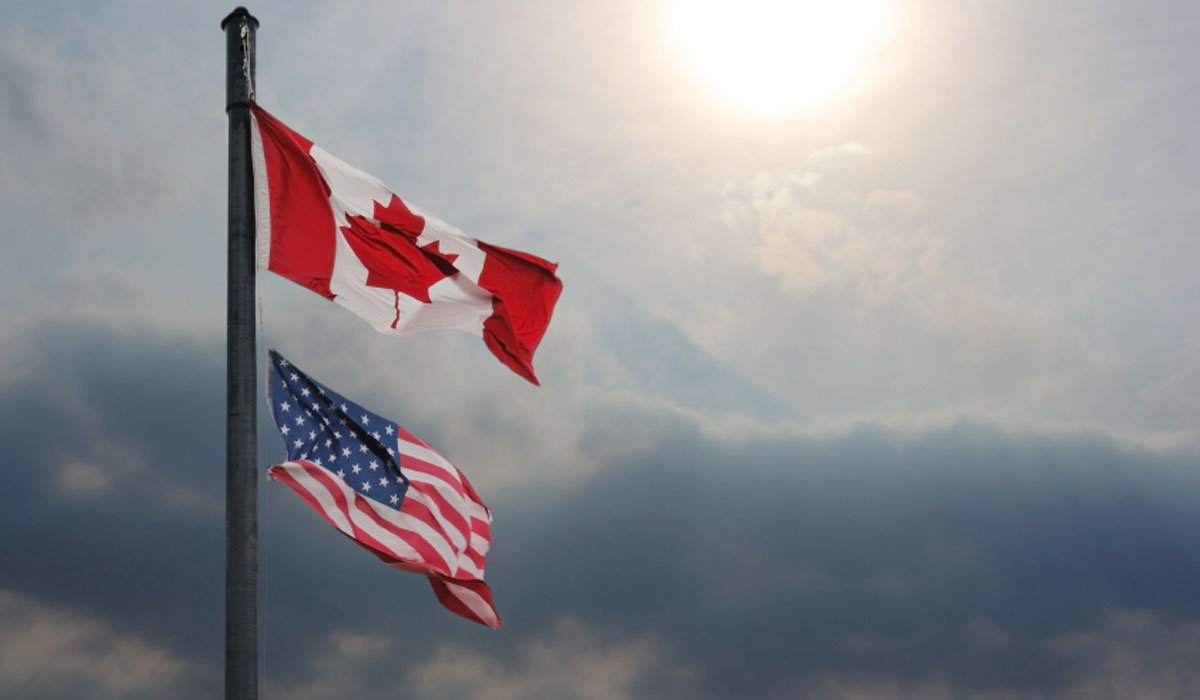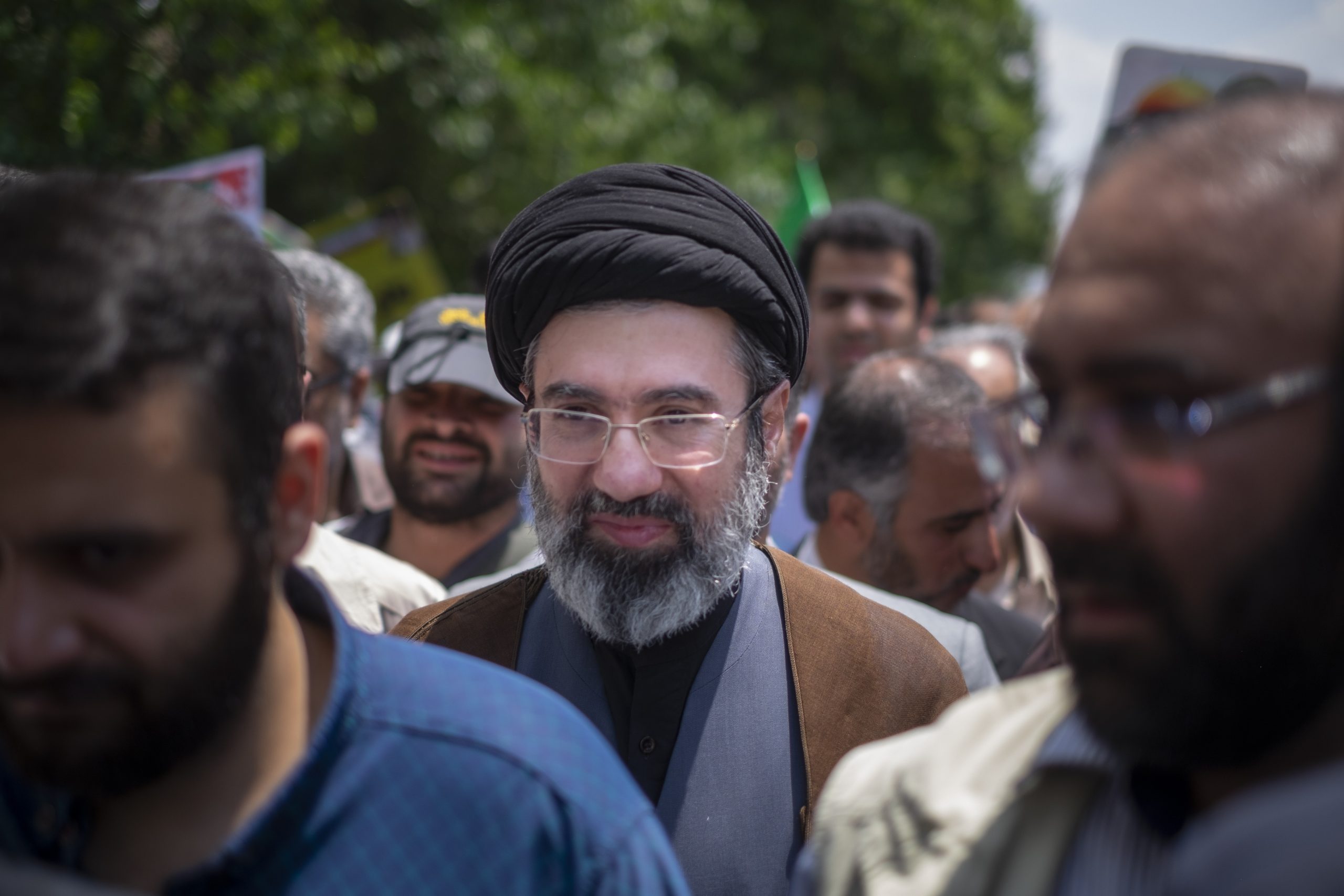
Khamenei’s First Remarks Reveal Iran’s View of Trump’s Landmark Deal- For the first time since the United States and Iran unveiled a historic agreement aimed at ending months of conflict, Iran’s Supreme Leader, Mojtaba Khamenei, has publicly addressed the deal—and his message leaves little doubt about how Tehran views the breakthrough.
While President Donald Trump has celebrated the agreement as a major diplomatic victory that could stabilize the Middle East and reopen one of the world’s most critical energy corridors, Khamenei’s response paints a very different picture. In his first remarks on the accord, the Iranian leader suggested that Washington came to the negotiating table from a position of weakness rather than strength, arguing that Trump relied on extraordinary pressure to secure the agreement.
Khamenei said Trump had acted “out of desperation” and used “all kinds of leverage” in an effort to bring the deal to fruition. His comments underscore the competing narratives that are already emerging around what may become one of the most consequential geopolitical agreements of Trump’s presidency.
Despite his criticism, Khamenei confirmed that he approved the memorandum of understanding between Washington and Tehran. According to the Iranian leader, he authorized the agreement after receiving assurances from senior Iranian officials that the country’s national interests and strategic priorities would be protected throughout the implementation process.
The agreement comes after more than three months of war that began following the February 28 U.S.-Israeli strikes on Iran. The attacks, which killed former Supreme Leader Ali Khamenei, triggered a wider regional conflict that threatened to engulf much of the Middle East and sent shockwaves through global energy markets. Since then, fears of broader escalation have dominated international diplomacy.
Mojtaba Khamenei, who succeeded his father as Iran’s supreme leader in March, has largely remained out of public view since taking office. His latest statement therefore carries particular significance, not only because it clarifies Iran’s position on the agreement but also because it represents one of his most important interventions since assuming leadership during a period of national crisis.
At the center of the agreement is the reopening of the Strait of Hormuz, a strategic waterway through which a significant portion of the world’s oil exports pass. The conflict had disrupted shipping and contributed to concerns about global energy supplies. As part of the deal, the United States agreed to lift its naval blockade, while Iran committed to measures intended to reduce tensions and move negotiations forward.
The implementation phase began to take shape this week when U.S. Central Command confirmed that blockade operations had ended in accordance with presidential orders. CENTCOM stated that some American vessels would remain in the region, indicating that Washington intends to maintain a military presence even as hostilities ease. The continued deployment reflects lingering concerns that the fragile peace could still face challenges in the months ahead.
Trump has presented the agreement as a breakthrough that could avert a prolonged regional war and restore stability to international markets. Supporters argue that reopening Hormuz and reducing military tensions could provide immediate economic benefits, including lower energy prices and improved confidence among investors. Oil markets reacted positively to reports that shipping through the waterway was resuming.
Yet the deal remains controversial. Critics in the United States have questioned whether Washington conceded too much in exchange for peace, while hardliners in Iran remain wary of any arrangement involving direct engagement with the U.S. government. Details of the memorandum remain limited, and many of the most sensitive issues—including the future of Iran’s nuclear program and broader sanctions relief—are expected to be negotiated during a 60-day follow-up period.
Khamenei’s remarks suggest that Tehran intends to sell the agreement domestically as evidence that Iran resisted American pressure and emerged with its core interests intact. That interpretation contrasts sharply with Trump’s portrayal of the accord as proof of successful American diplomacy.
Whether the agreement ultimately becomes a lasting peace settlement or merely a temporary pause in a dangerous conflict remains uncertain. What is already clear, however, is that both Washington and Tehran are claiming victory. Khamenei’s first public comments reveal that Iran sees the deal not as a concession to the United States, but as the result of a struggle in which American pressure failed to break Tehran’s resolve.
As the blockade ends, negotiations continue, and military tensions begin to ease, the world will be watching closely to see which version of the story proves correct.