Pakistan and Qatar Mediation Efforts Face Setback After U.S. Rejection- Tensions between the United States and Iran intensified once again after former U.S. President Donald Trump publicly rejected Tehran’s latest response to a proposed peace framework aimed at reducing conflict in the Gulf region. The rejection has complicated ongoing diplomatic efforts led by Pakistan and Qatar, both of which have been trying to prevent the fragile situation from spiraling into a broader regional crisis.
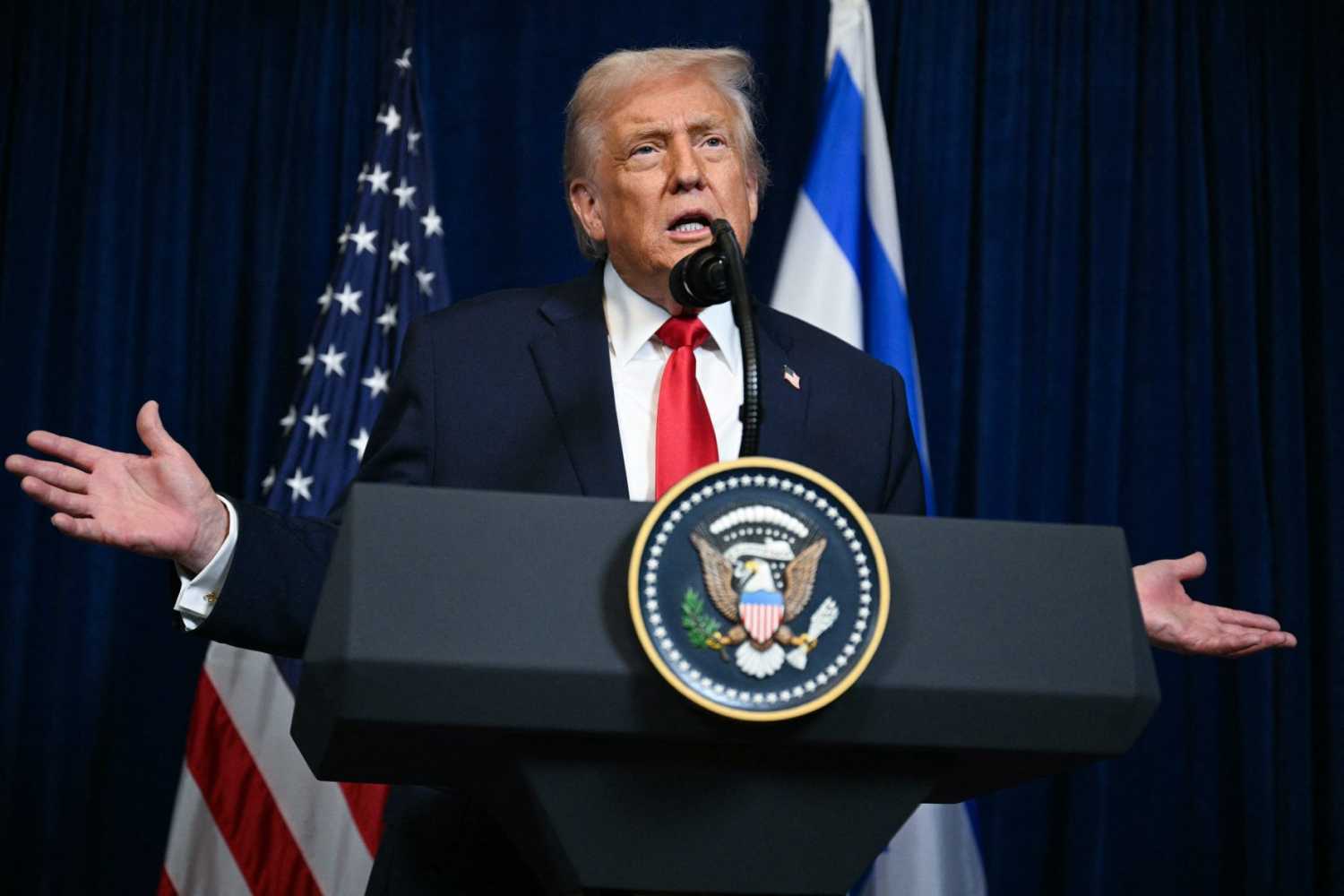
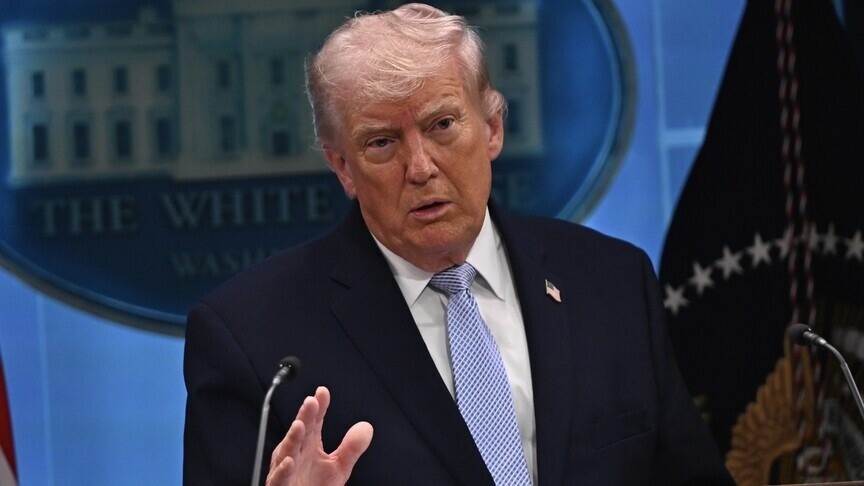
Trump, posting on Truth Social, described Iran’s response as “totally unacceptable,” though he did not reveal specific details of the proposal or Tehran’s counteroffer. His remarks came shortly after Iranian officials confirmed that a formal reply had been delivered through Pakistani intermediaries. The sharp response from Washington has now cast uncertainty over the future of negotiations that many regional leaders hoped could reduce military tensions and restore stability around the Strait of Hormuz.
According to reports from Iranian state-linked media, Tehran’s position remains largely unchanged. Iranian officials are believed to have demanded a complete end to military hostilities, the lifting of U.S. sanctions, and the reopening of crucial maritime routes in the Gulf. Iran has also reportedly asked for additional time to continue discussions before entering direct negotiations regarding its nuclear program.
The Strait of Hormuz remains one of the world’s most strategically important waterways, carrying a significant percentage of global oil shipments. Any disruption in the area immediately raises concerns in international markets and among world powers dependent on energy supplies. Over recent weeks, the region has witnessed multiple military incidents involving naval vessels, drones, and missile activity, despite claims from both sides that a ceasefire remains in effect.
Pakistan and Qatar have emerged as key diplomatic players in the crisis. Islamabad has attempted to maintain communication channels between Tehran and Washington, while Doha has continued to host high-level discussions involving American and regional officials. Both countries have positioned themselves as neutral mediators capable of reducing tensions at a time when direct U.S.-Iran communication remains extremely limited.
Pakistani Prime Minister Shehbaz Sharif confirmed that Iran had conveyed its response through diplomatic channels but avoided disclosing further details. Qatar also intensified its engagement over the weekend, with senior Qatari officials reportedly holding discussions with both American representatives and Iranian Foreign Minister Abbas Araghchi.
The latest setback comes at a sensitive moment in the region. In recent days, reports have emerged of clashes involving Iranian forces and U.S. naval operations near the Gulf of Oman and surrounding waterways. Tehran accused American forces of provoking confrontation, while U.S. officials claimed their actions were aimed at maintaining maritime security and enforcing regional stability.
Secretary of State Marco Rubio recently stated that Washington expected a “serious offer” from Iran and emphasized that the United States would not compromise on issues related to nuclear security and regional threats. American officials continue to insist that any long-term agreement must include strict limitations on Iran’s nuclear activities.
Iran, however, appears focused on achieving immediate sanctions relief and guarantees against future military escalation before discussing broader strategic matters. This difference in priorities has become one of the biggest obstacles in the negotiation process.
Trump further escalated tensions with another statement accusing Iran of “playing games” with the United States. His remarks signaled a tougher stance and suggested that Washington may be unwilling to accept partial agreements or temporary compromises. Political analysts believe the language used by Trump could harden positions on both sides, making diplomatic progress more difficult in the coming weeks.
Meanwhile, concerns are growing internationally about the possibility of renewed instability across the Middle East. Several Gulf nations have urged restraint, warning that continued military incidents could damage global trade routes and trigger wider economic consequences. Energy markets remain particularly sensitive to developments around the Strait of Hormuz, where even minor confrontations can impact oil prices worldwide.
The United Nations has also become increasingly involved in discussions surrounding maritime security and regional de-escalation. U.S. Ambassador to the United Nations Mike Waltz stated that Washington is pushing for stronger international action to ensure freedom of navigation in international waters. Iran, however, maintains that foreign military activity near its coastline threatens its national security.
For now, mediation efforts by Pakistan and Qatar continue, though the path forward appears uncertain. Diplomatic observers say both countries still have an important role to play because they maintain working relationships with all parties involved. However, without flexibility from either Washington or Tehran, negotiations could remain stalled.
As the situation develops, the world is watching closely. The coming days may determine whether diplomacy can still prevent another dangerous escalation in one of the most volatile regions on the planet. Putin Uses Victory Day Address to Justify War and Criticise NATO | Maya