Strait of Hormuz Crisis Deepens as Iran Alleges Civilian Killings- Tensions in the Strait of Hormuz have intensified after Iran accused the United States of killing civilians in a disputed naval encounter—an allegation that sharply contradicts Washington’s account and threatens to derail a fragile ceasefire.
Iranian authorities say five civilians lost their lives when US forces allegedly struck two small boats carrying passengers between Oman and Iran. Officials in Tehran insist the vessels were civilian and had no connection to the Islamic Revolutionary Guard Corps (IRGC). The claim has sparked outrage within Iran, with military figures calling for accountability and warning that such actions could have serious consequences.
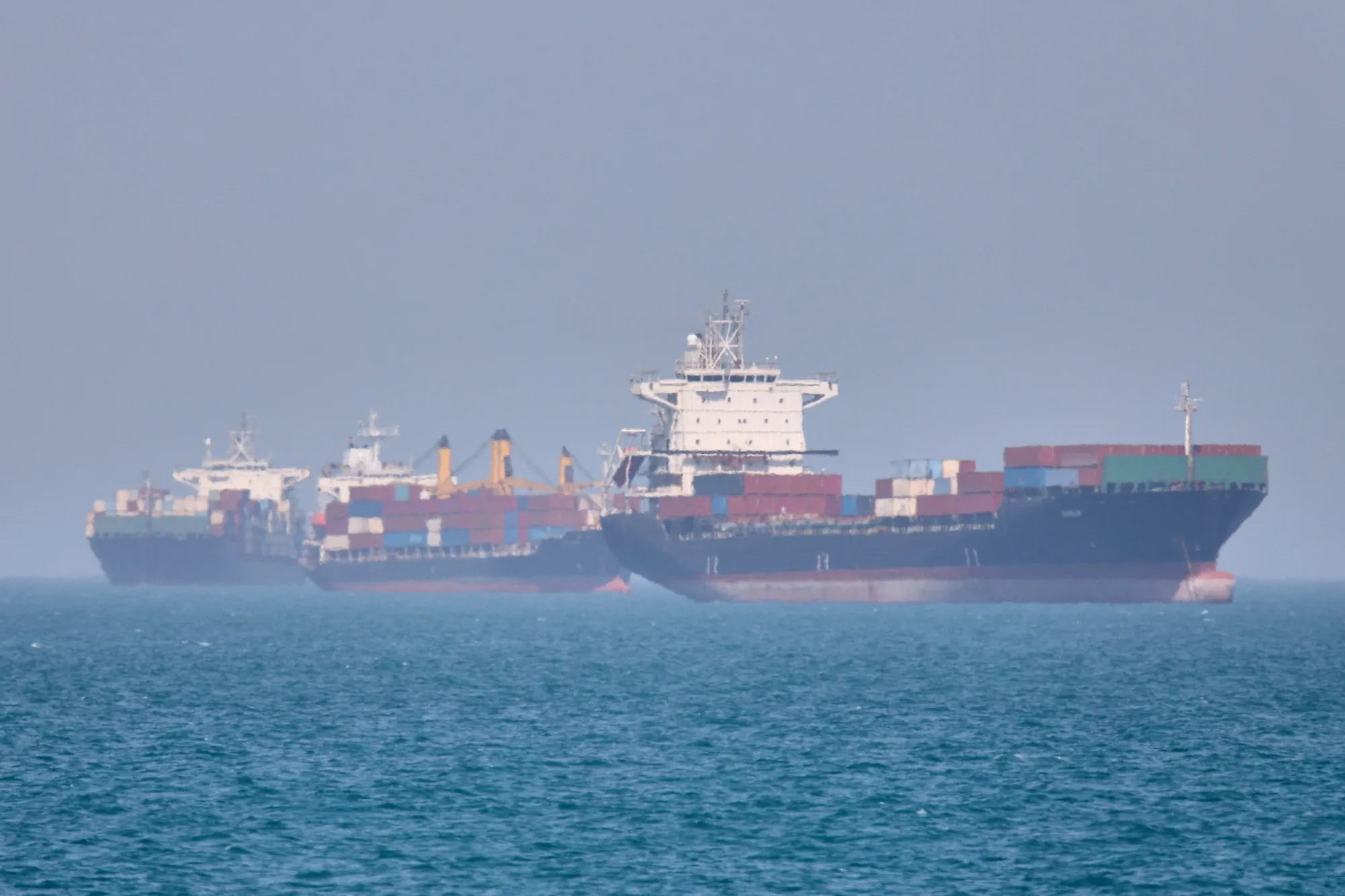
The United States has presented a very different version of events. US Central Command stated that its forces engaged multiple IRGC vessels that were attempting to interfere with an operation to escort commercial ships through the strait. According to American officials, several of these boats were destroyed in what they described as a defensive response aimed at ensuring the safety of maritime traffic. The mission, referred to as “Project Freedom,” is part of a broader effort to reopen the waterway after weeks of disruption.
These competing narratives have deepened mistrust between the two sides at a particularly sensitive moment. A ceasefire agreed in early April had briefly reduced hostilities, but the latest incident has raised concerns that the agreement may be on the verge of collapse.
Iranian state media reported that an internal review found no evidence of IRGC vessels being hit during the incident. Instead, investigators concluded that civilian boats were targeted, leading to the reported casualties. While these findings have not been independently verified, they have fueled anger in Tehran and strengthened calls for a firm response.
The US military has not directly addressed the civilian casualty allegations in detail, but it has maintained that its actions were necessary and proportionate. American officials argue that their forces are operating in a highly volatile environment, where distinguishing between civilian and military vessels can be difficult, particularly when faced with potential threats.
At the center of the crisis is the Strait of Hormuz itself—a narrow but critically important passage through which a significant share of the world’s oil supply flows. Any disruption in this corridor has immediate global repercussions, and recent developments have once again highlighted its vulnerability.
Since late February, following a broader escalation involving US and Israeli strikes on Iranian targets, the strait has effectively become a flashpoint. Iran has imposed severe restrictions on maritime movement, warning that ships attempting to pass without authorization could be at risk. This has led to a sharp decline in shipping activity, with many vessels avoiding the area altogether.
In response, the United States has stepped up its naval presence, seeking to ensure that commercial shipping can resume. Under “Project Freedom,” US warships have been escorting selected vessels through the strait, testing the limits of Iran’s blockade and attempting to restore confidence among shipping operators.
There have been some signs of progress, with a small number of ships successfully making the transit under US protection. However, these efforts remain limited, and the broader situation continues to be marked by uncertainty and risk.
The crisis has also spilled beyond the strait, affecting the wider region. The United Arab Emirates reported recent attacks on its territory and energy infrastructure, blaming Iran for the escalation. According to Emirati officials, drone and missile strikes caused damage and injuries, raising fears that the conflict could expand further.
Iran has denied any deliberate involvement in these incidents, instead attributing them to the consequences of US military actions in the region. This exchange of accusations has added another layer of complexity to an already volatile situation.
Meanwhile, reports of incidents involving commercial vessels—such as onboard explosions and fires—have heightened concerns among shipping companies. Even when not directly linked to military action, these घटनाएँ underscore the dangers faced by crews operating in the area.
The economic impact of the الأزمة is already being felt worldwide. Disruptions to oil shipments have pushed energy prices higher, while uncertainty in supply chains is beginning to affect other sectors, including agriculture. Fertilizer prices, closely tied to energy costs, have also risen, fueling concerns about food security in vulnerable regions.
For many countries, particularly those dependent on Gulf energy exports or imports, the stakes could not be higher. Prolonged instability in the Strait of Hormuz risks triggering broader economic consequences, including inflationary pressures and slower growth.
The ceasefire between Iran and the United States now hangs in the balance. Both sides accuse each other of violations, and diplomatic efforts to ease tensions appear to have stalled. The latest allegations of civilian casualties could further complicate any attempt at dialogue, as public and political pressure mounts on both governments.
What happens next remains uncertain. The situation could stabilize if both sides choose restraint and re-engage diplomatically. However, continued العسكري activity and conflicting claims increase the likelihood of further escalation.
For now, the Strait of Hormuz remains one of the most dangerous flashpoints in the world—a narrow stretch of water with far-reaching implications. As tensions rise and trust erodes, the risk of miscalculation grows, leaving the international community watching closely and hoping that the الأزمة does not spiral into a wider conflict.
Keir Starmer Backs EU Ukraine Loan in Boost to UK Jobs and Ties | Maya