
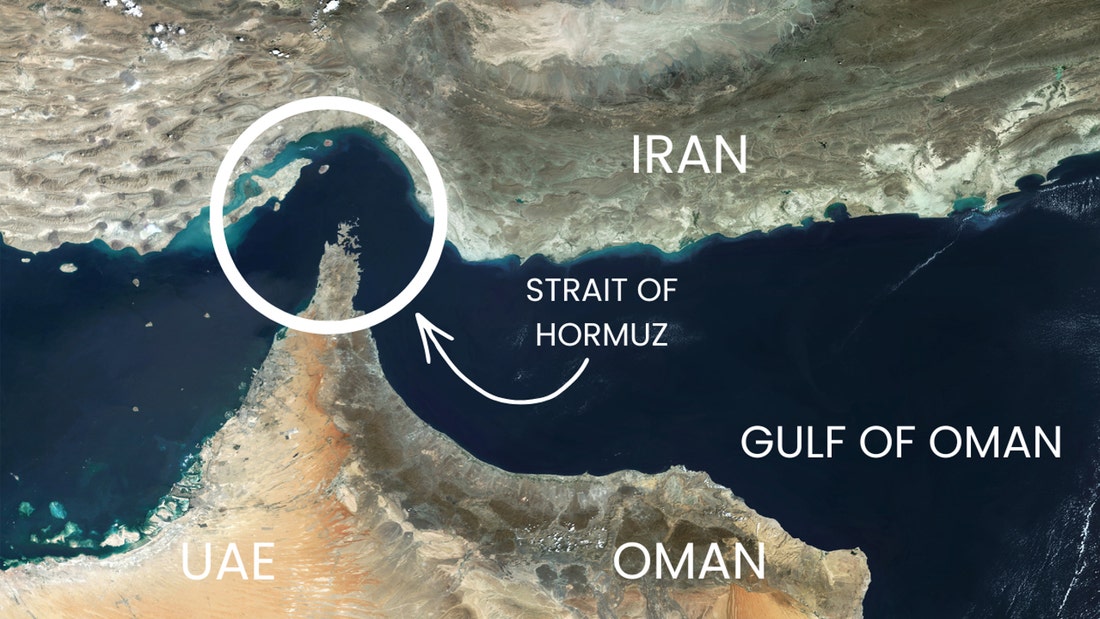
Tensions rise in Strait of Hormuz as US responds to Iranian drone activity- Tensions have escalated in the Gulf region after the United States military carried out what officials described as “defensive” strikes in response to Iranian drone activity near one of the world’s most strategically important maritime corridors, the Strait of Hormuz. The developments mark a renewed surge in hostilities amid fragile ceasefire efforts connected to a wider, nearly three-month-long regional conflict.
According to US officials cited in initial reports, American forces shot down four Iranian drones operating in proximity to US forces and commercial shipping lanes in the Gulf. The drones were assessed as posing an imminent threat, with US military commanders acting to intercept them before they could reach their intended targets.
In a further escalation, US forces also struck a drone control center located in the southern Iranian port city of Bandar Abbas. Officials stated the strike was intended to prevent what they described as a fifth drone launch, suggesting that the facility was actively being used to coordinate ongoing aerial operations.
The Pentagon characterized the entire set of actions as “measured, purely defensive, and intended to maintain the ceasefire.” The statement underscores Washington’s position that the strikes were not part of a broader offensive campaign but rather a targeted response to immediate threats against its personnel and maritime interests.
The latest confrontation comes against a backdrop of heightened military activity in the region. Earlier in the week, US forces reportedly conducted overnight strikes targeting Iranian missile launch sites and mine-laying boats. Those assets were said to pose a threat to US forces and to shipping traffic moving through critical maritime corridors in the Gulf.
The Strait of Hormuz, a narrow waterway connecting the Persian Gulf with the Arabian Sea and the broader Indian Ocean, is one of the most sensitive chokepoints in global trade. A significant share of the world’s oil exports passes through this passage daily, making it a focal point for both regional security concerns and international energy markets. Any disruption in this area can have immediate global economic consequences, particularly in oil pricing and shipping insurance costs.
While US officials framed the latest strikes as defensive, the situation remains highly volatile. Iran has not yet issued a detailed public response to the latest reported US actions, though past incidents in the region have typically been followed by strong condemnation and competing accounts of events.
Analysts note that the pattern of drone interceptions, retaliatory strikes, and maritime tensions reflects a broader cycle of escalation that has increasingly drawn in naval and air assets from multiple countries operating in the Gulf. The presence of international shipping and military patrols in such close proximity raises the risk of miscalculation, particularly when surveillance systems and rapid-response defense protocols are activated simultaneously.
Bandar Abbas, the site of the reported US strike, is one of Iran’s most important coastal hubs. Located on the northern shore of the Strait of Hormuz, the city hosts major port facilities, naval infrastructure, and logistical networks that support both commercial shipping and military operations. Any military activity in or around the city is therefore closely watched for its potential implications on maritime security in the region.
The US military’s reference to preventing a “fifth drone launch” suggests that intelligence or surveillance systems detected ongoing preparations for further aerial operations. However, officials have not released detailed evidence or technical assessments of the drones involved, their payloads, or their intended targets.
The broader geopolitical context remains complex. Ceasefire talks related to the wider regional conflict have been described as fragile, with intermittent breakdowns and renewed flare-ups complicating diplomatic efforts. Each new incident at sea or in the air adds pressure on negotiators attempting to stabilize the situation and prevent a wider confrontation.
Energy markets and shipping companies are closely monitoring developments. The Strait of Hormuz has historically been a flashpoint during periods of US–Iran tension, and even limited military incidents in the area have previously led to spikes in oil prices and increased maritime insurance premiums. Shipping firms operating in the Gulf often adjust routing, speed, or security protocols in response to perceived risk levels.
For now, both sides appear to be maintaining their core narratives. The United States continues to emphasize defensive intent and protection of maritime security, while Iran is expected to contest any characterization of its actions as aggressive, particularly regarding drone operations and coastal military activity.
What remains clear is that the latest exchanges add another layer of uncertainty to an already tense regional environment. With military assets operating in close quarters and strategic waterways under constant surveillance, even small-scale incidents carry the potential for rapid escalation.
As diplomatic efforts continue in parallel, the coming days are likely to be critical in determining whether the situation stabilizes or moves toward further confrontation in one of the world’s most important energy corridors. How does ozone act differently in the Ozone Layer and at ground level? | Maya

